
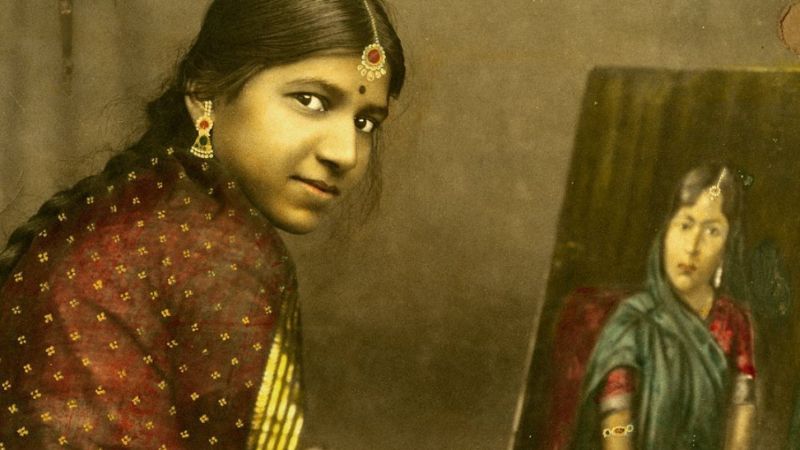
Ambu-tai: Art in a man’s world
Editor’s note: Ambika Dhurandhar occupies an important place in the discourse of Indian art despite garnering limited recognition from outside. In 1930s British India, she became India’s first art-school trained woman artist, studying painting at Bombay’s JJ School of Art. Her paintings have been displayed across the world, and today adorn the walls of DAG.
This story about Ambika Dhurandhar was first published on The Heritage Lab—a wonderful resource of stories on cultural heritage, art, museums and lots more. You can find other wonderful essays on art and culture over on their website.
*****
In 1931, Ambika Dhurandhar became the first Indian woman to graduate from an art-school. In British India of the 1930s, painting was a man’s world and even in middle or upper class homes, women were not particularly encouraged to pursue advanced level education. But this was also a time of change, and women had started to make public appearances – participating actively in demonstrations against British.
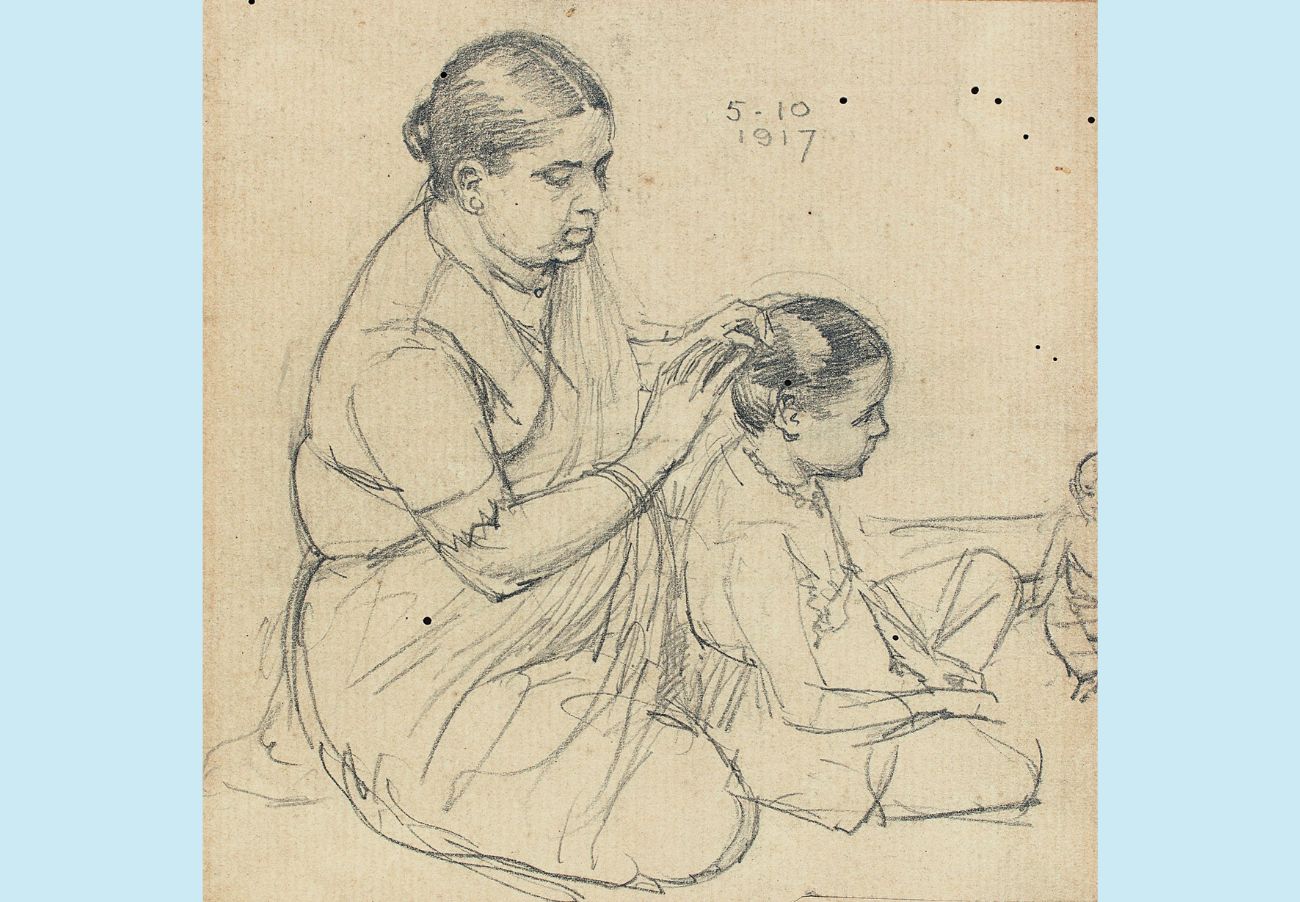
A drawing from M.V. Dhurandhar’s sketchbook, My Wife in Art, 1917, Collection: DAG, Image Courtesy: DAG.
Ambika’s inclination towards art started at an early age; surely it was the influence of her father, the renowned painter, M.V Dhurandhar. Her mother, Gangubai herself was a well-read, educated woman who often accompanied her husband on his travels around the country. Dhurandhar’s sketchbooks offer a glimpse into these moments and Ambika’s early years.
Ambika Dhurandhar : Painting in a man’s world
After Class 6, Ambika was home-schooled but later enrolled at the prestigious J.J School of Art (Bombay) where her father taught. She graduated with a Government Diploma in Painting and was one of the highest ranking students.
Her peers included artists like J.D Gondhalekar, Gopal Deuskar and the other forgotten female artist, Angela Trindade (daughter of A.X Trindade). While there were other female students at J.J School, hardly anybody pursued art professionally.
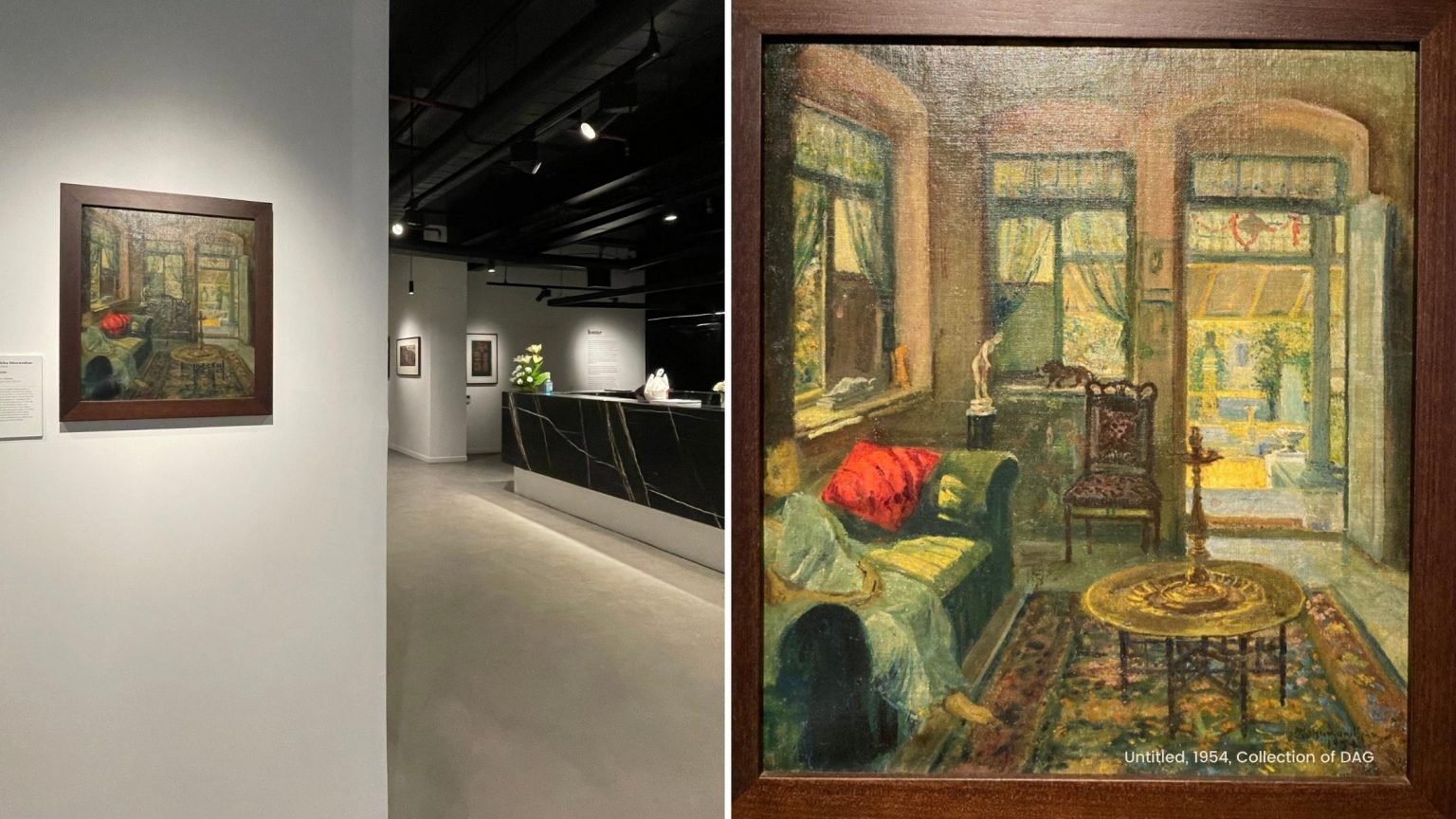
Spotted at the DAG Gallery, Claridges New Delhi; August 2021
By the time Ambika graduated, she was already winning accolades at different art society exhibitions (Bombay, Calcutta, Pune, Shimla, etc). Later, she was offered a fellowship by the Royal Society of Art, London.
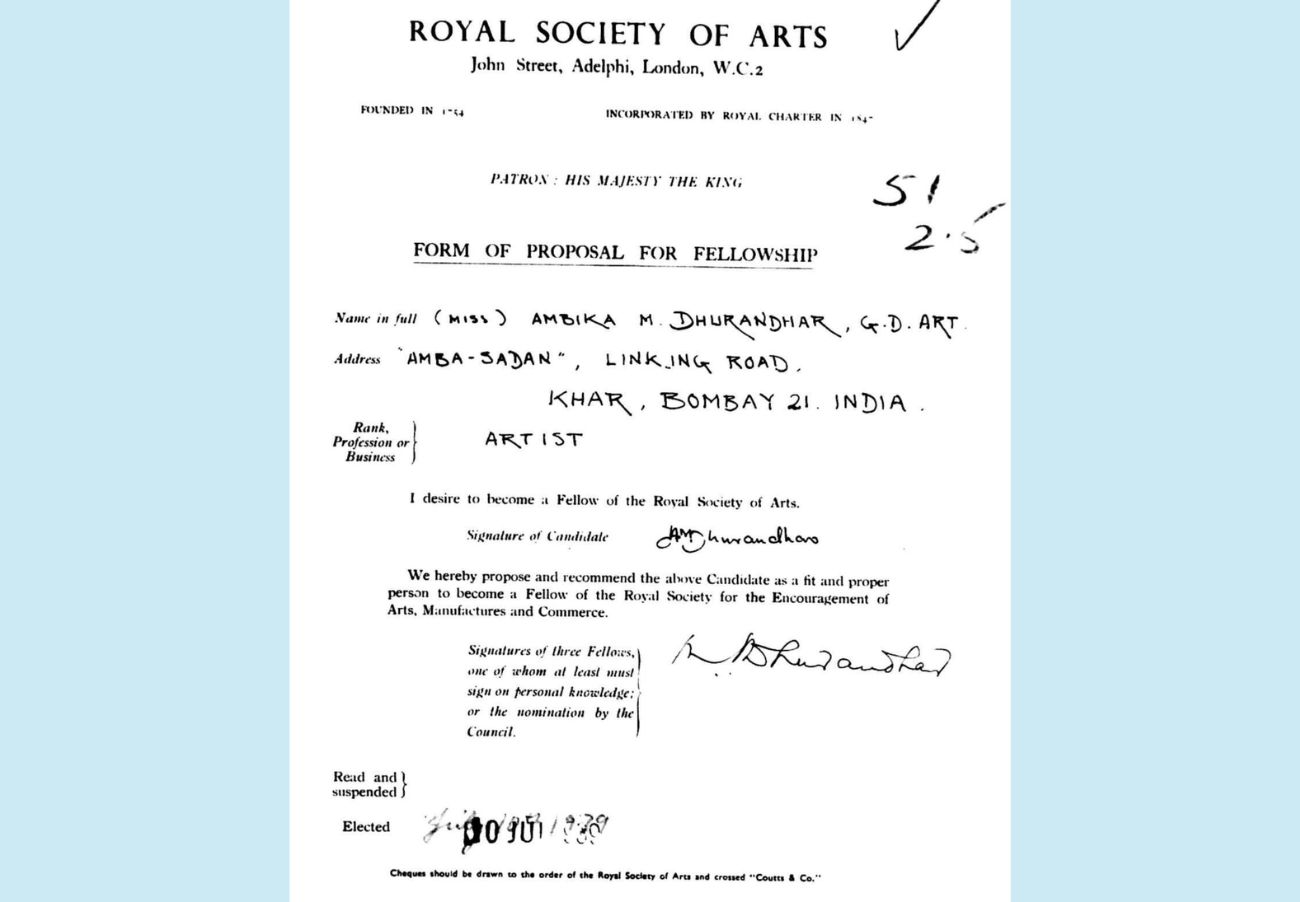
Form of Proposal for Fellowship to Royal Society of Arts submitted by Ambika Dhurandhar. She was elected as a fellow on 10th July 1939 | Courtesy: Royal Society of Arts, London
Ambika Dhurandhar’s skilfully painted portraits and landscapes have been exhibited widely in India, England, Scotland, France, Germany and Italy. Today, many of her works are in the collection of DAG. Take a look:
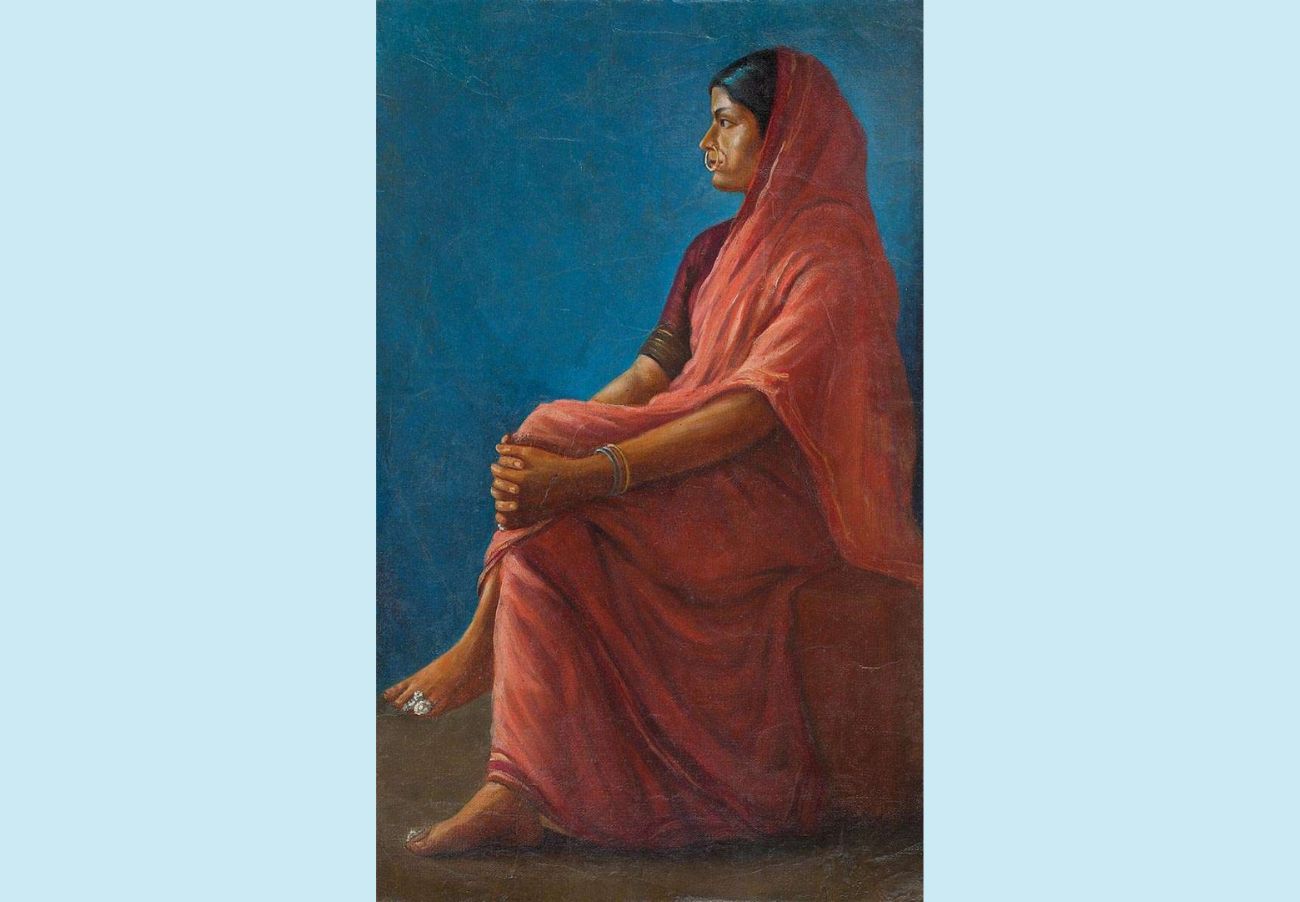
Untitled, Oil on Paper
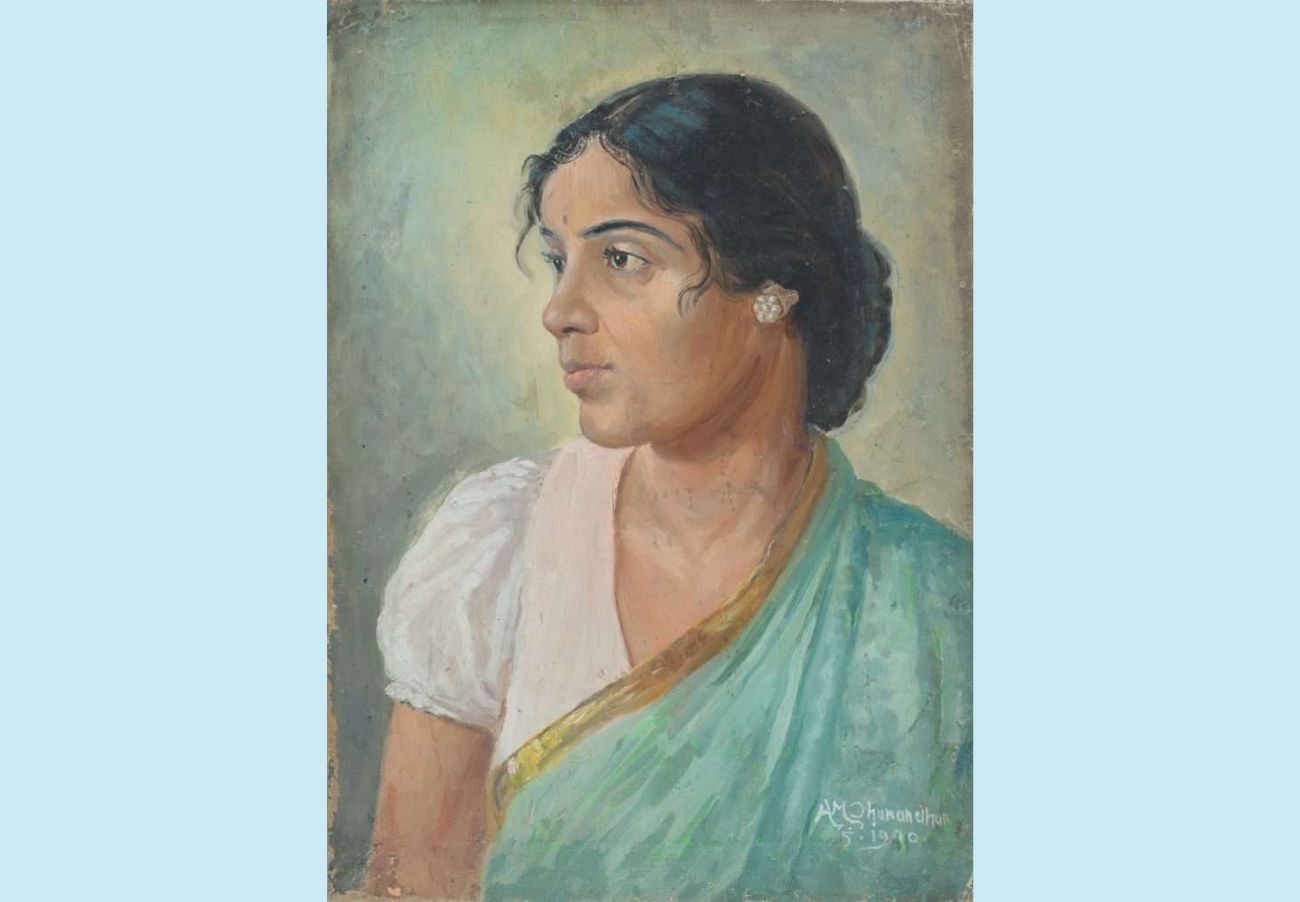
Untitled, 1940 Oil on Canvas
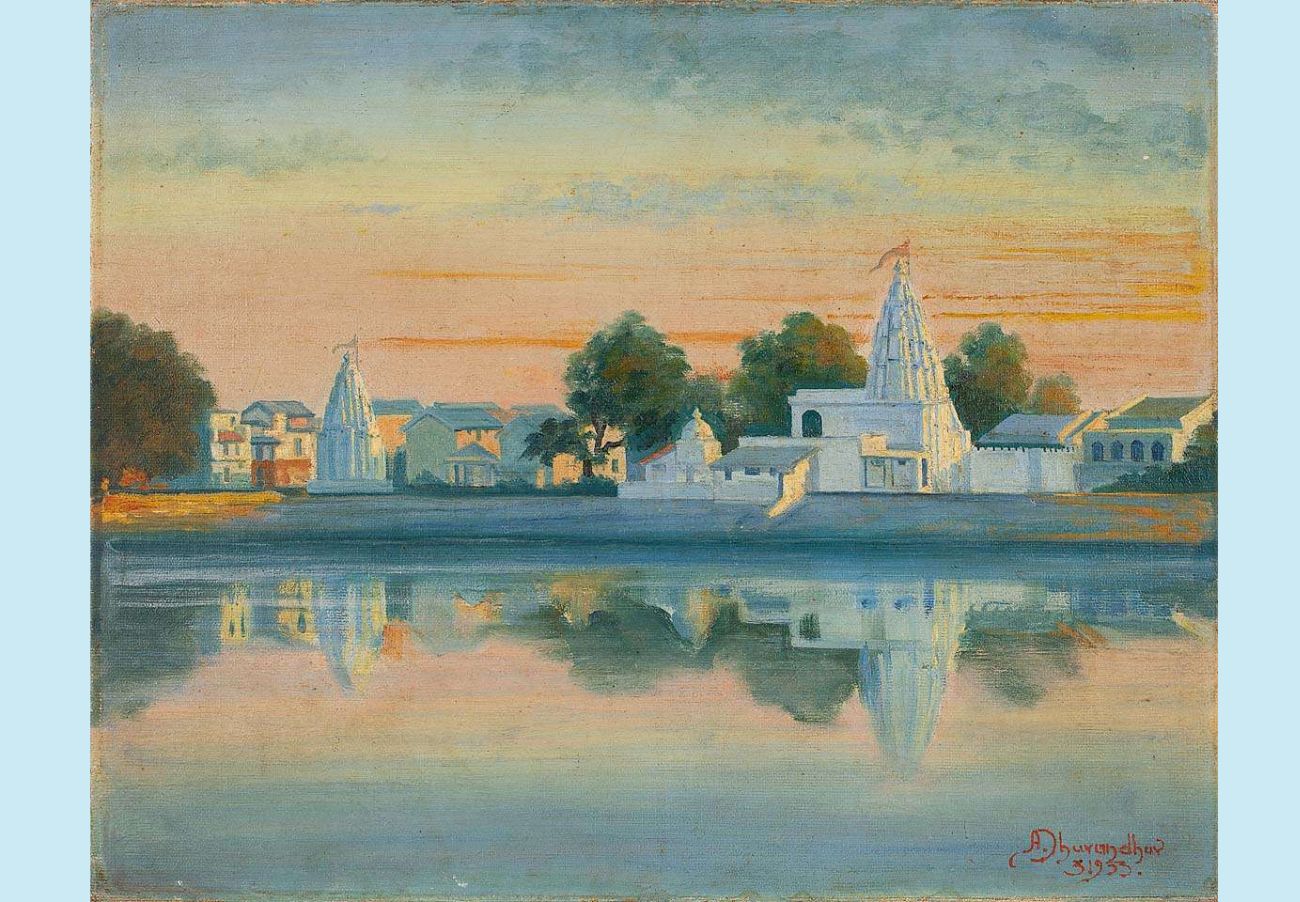
Untitled, 1933 Oil on Canvas
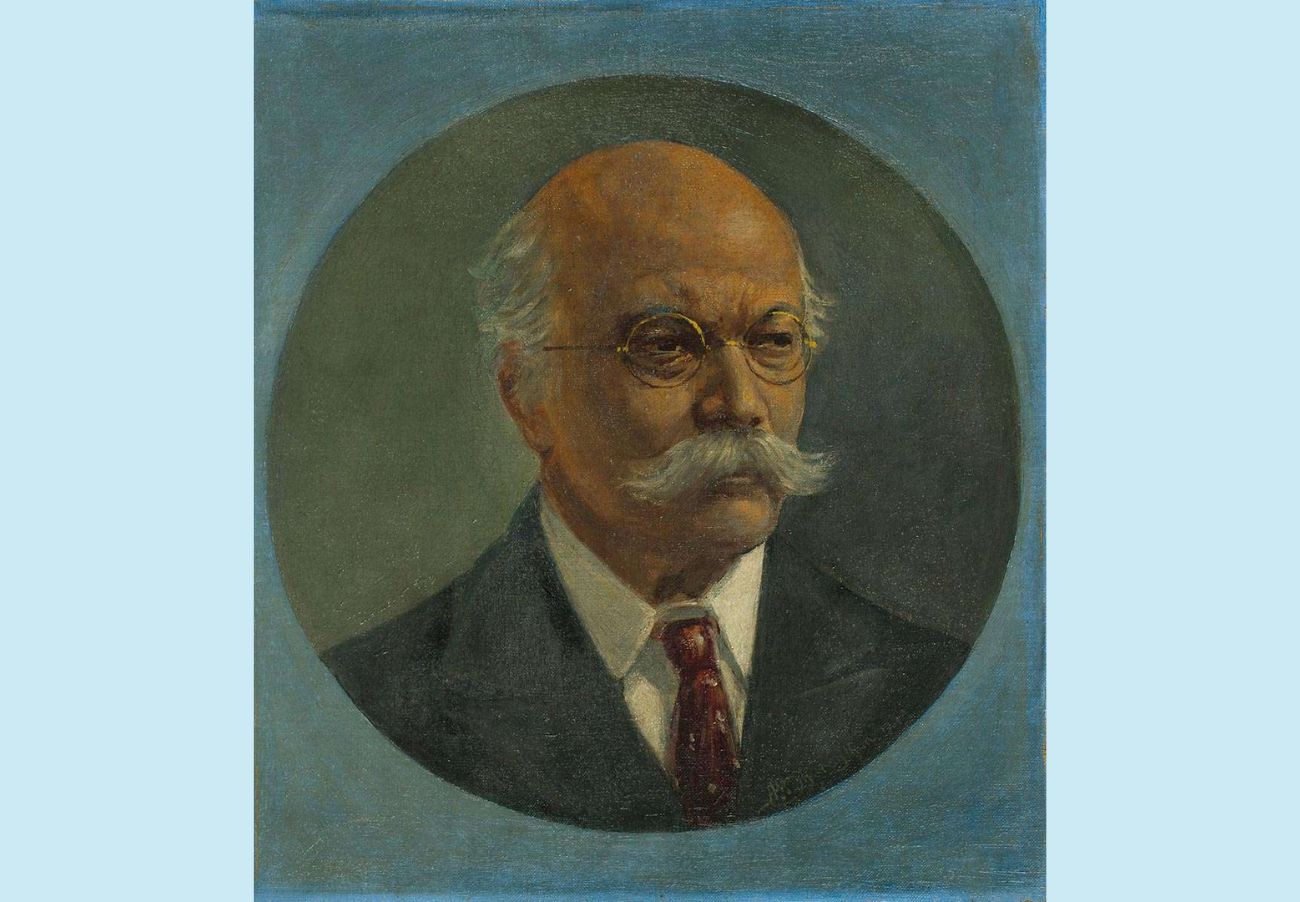
Untitled - Oil on Canvas
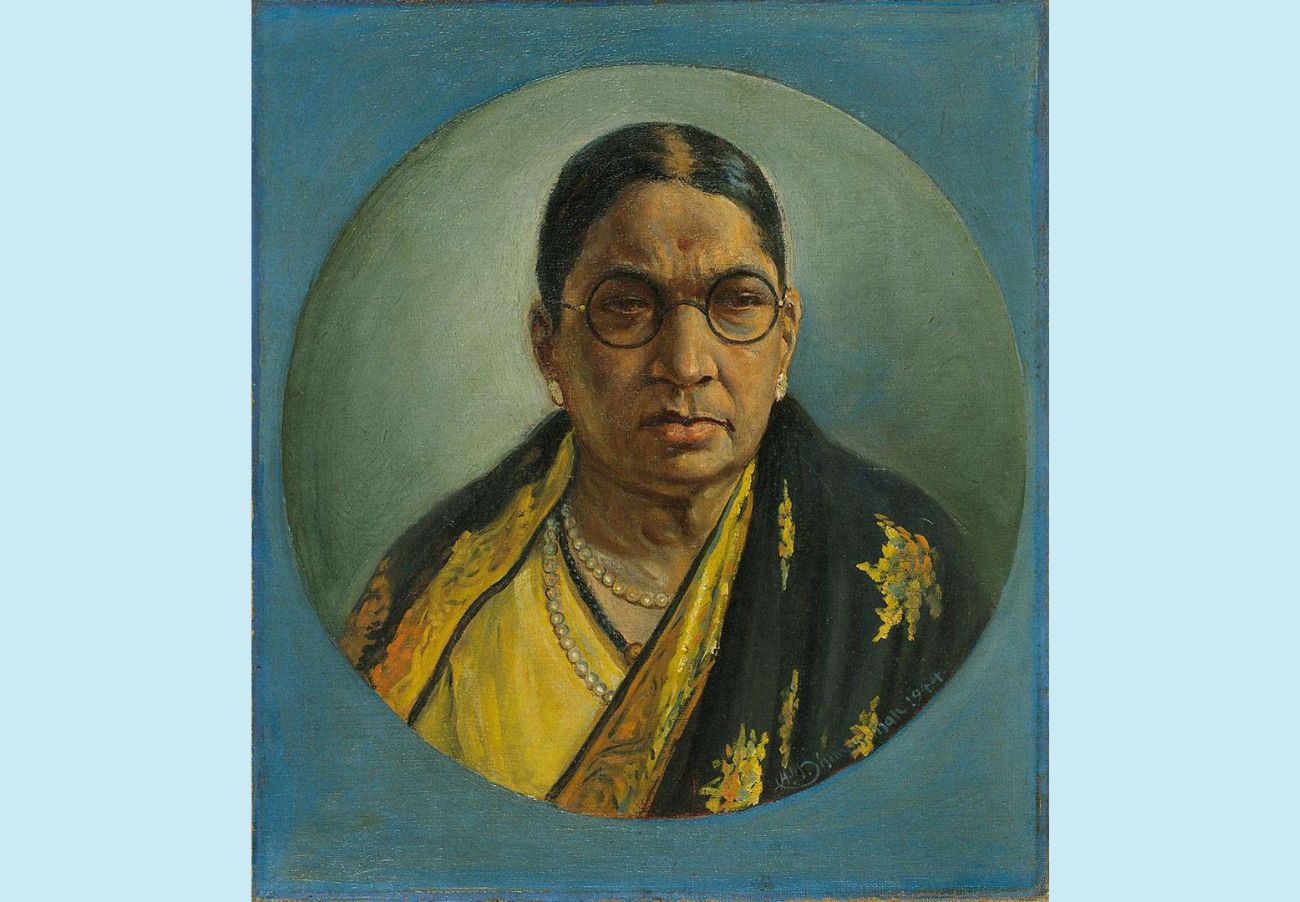
Untitled, 1944 Oil on Canvas
Safeguarding her father’s legacy : M.V Dhurandhar’s influence on Ambika
M.V Dhurandhar was one of the most significant painters of his time, and as he travelled across India and Europe, Ambika accompanied him. Just before the Second World War, father-daughter traveled around Europe, soaking in the art at museums. In her memoir, Mazi Smaranchitra, she chronicles her travels as well as interactions with other cultural icons like Bal Gandharva.
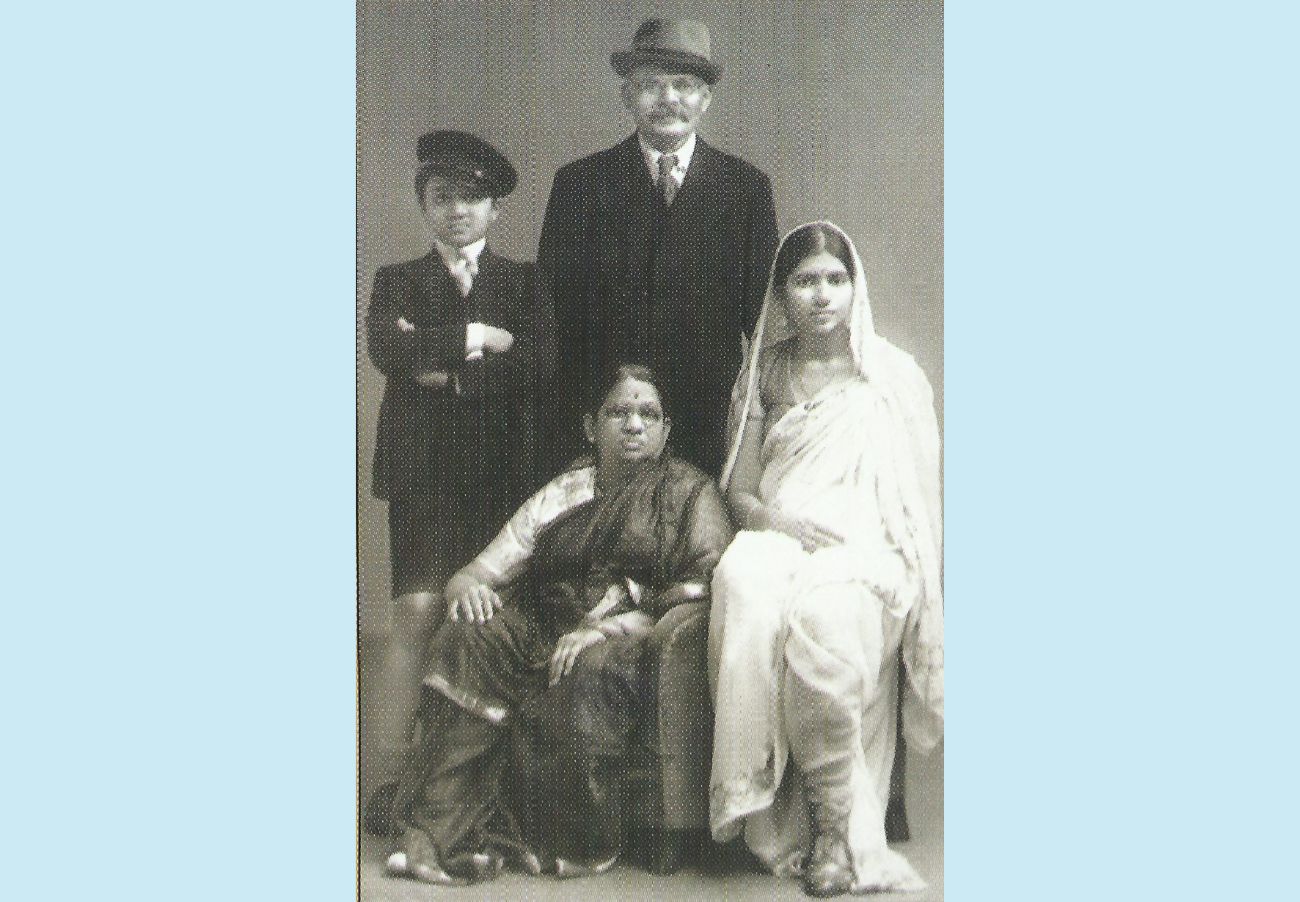
Ambika Dhurandhar (seated right) with father M. V. Dhurandhar, mother Gangubai and nephew Kanu | Majhi Smaranchitre – Majestic Publishing House
After her father’s death, she managed his paintings, regularly exhibited them and even started an art-school named after him. Ambika never married and continued to teach art. She is fondly remembered by her students as “Ambu-tai”.
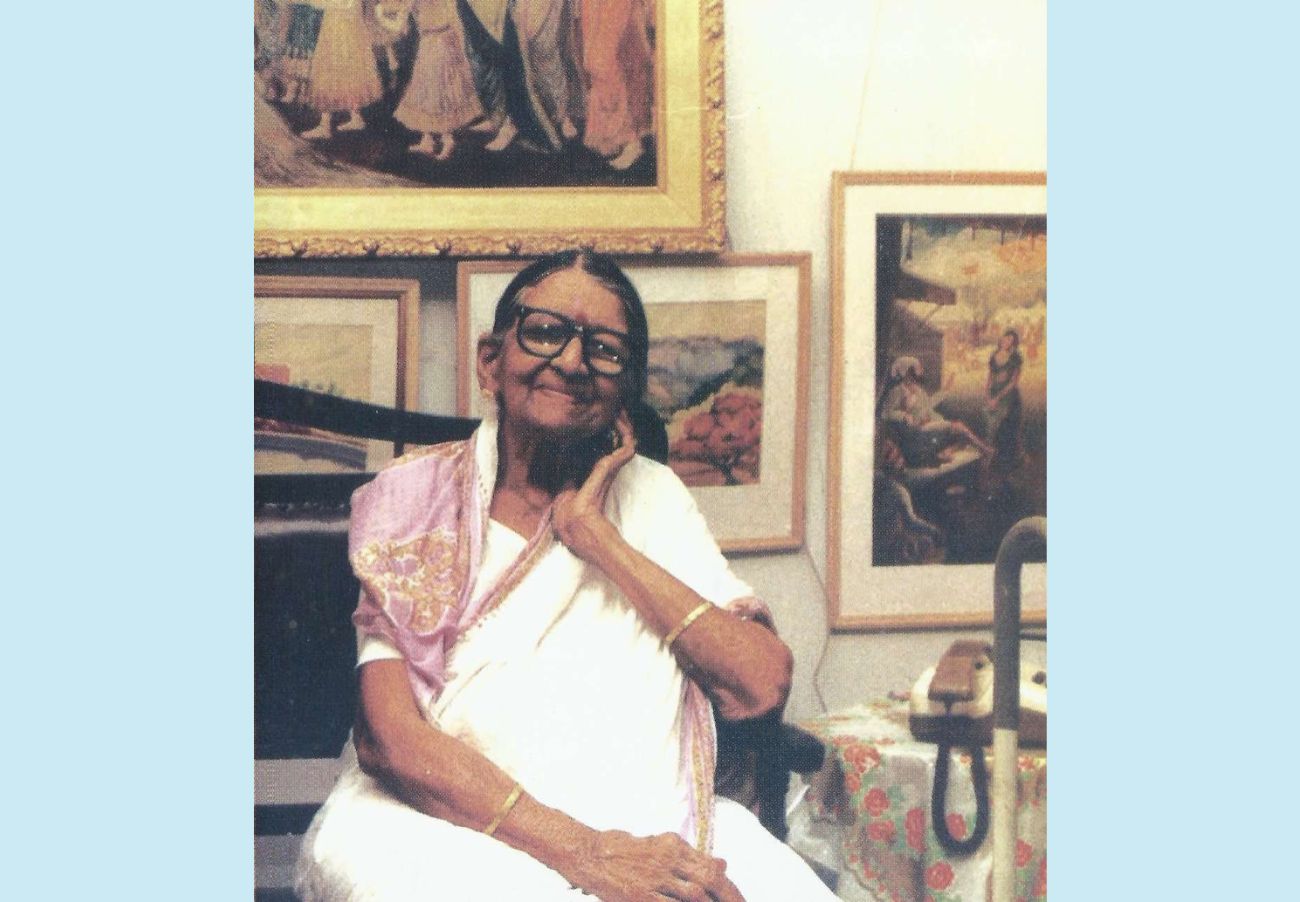
Portrait of Ambika Dhurandhar | Majhi Smaranchitre – Majestic Publishing House
Despite the recognition and her contribution to Indian art, Ambika Dhurandhar remains little known outside the art-world. If you spot her works, or have any further information, we’d love to know!
*****
This story about Ambika Dhurandhar was first published on The Heritage Lab—a wonderful resource of stories on cultural heritage, art, museums and lots more. You can find other wonderful essays on art and culture over on their website.
 souk picks