
From Bandhani to bandana: A visual story
About Taste: Splainer’s new literary imprint, Taste, celebrates all that is exceptional about India—our singular design sensibility, literary voice, and perspective of the world—all of it rendered with deliberate excess. Taste is a book like no other—part art object, part literary magazine, and entirely its own world.
This first book features original essays by some of India’s finest writers, including Aatish Taseer on the ‘hotel aesthetic’ of living rooms, a rare conversation between Vivek Shanbhag and Parul Sehgal on how taste shapes the act of writing itself, and Srinath Perur’s glorious meditation on Boney M. and their enduring Indian afterlife. The book has been designed with extraordinary flair by Kriti Monga and Tania Singh Khosla. The video below gives you a fuller sense of its ambition and achievement:
Editor's note: Below is an excerpt from Tania Khosla’s visual essay that traces the historical arc of Bandhani, from the walls of the Ellora caves to the bandanas of LA gangs. It takes you on a journey across thousands of years, tracing the history of a motif as it morphs in form, use and meaning. Sadly, it also reveals the limitation of the digital medium—which can never quite match the splendor of print.
PS: Taste is intended as a collectible object. It is a limited edition with just 300 copies in circulation—half of which will hit bookstores soon. You can also sign up to buy it from the publisher Juggernaut over here.
Visual essay by: Tania Singh Khosla
Tania Singh Khosla is the founder and creative director of TSK Design, an award-winning branding and graphic design firm based in Bangalore. Tania’s expertise in research, curation and making has shaped a multidisciplinary practice that blurs the boundaries between graphic and product design, bringing her full circle to creating work that is tactile, hand-crafted and rooted in cultural memory. Her work negotiates a fine balance between Indian and global aesthetics, traditional and contemporary influences, the digital and the hand-made.
*****
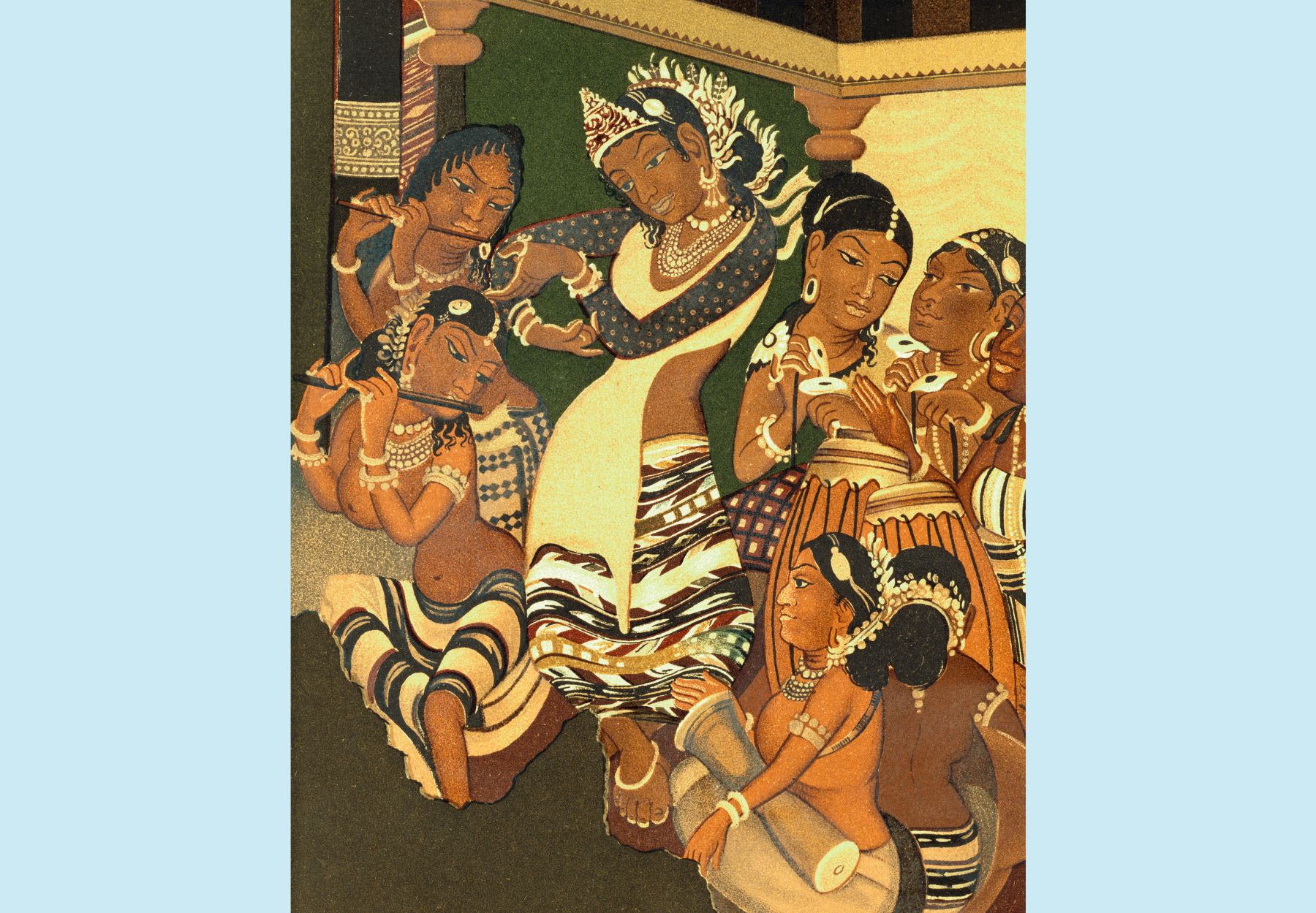
According to legend, the birth of Bandhani was an act of divine serendipity. In return for their generous hospitality, a Sufi ascetic gave a family a knotted handkerchief—which was accidentally dropped into a dye bath. The result: a gorgeous signature pattern of dots that has endured over millennia. The earliest visual evidence of Bandhani can be found on the walls of the Ajanta caves. Maidservants draped in blouses with bright dots and rings cavort at the court of Siddhartha in paintings that date back to the sixth century BCE.
The first known textual reference is in Harshacharita, a seventh-century Sanskrit text where the cloth is referred to as pulakabandha, literally ‘tie-dye’. A fifteenth-century Jain manuscript, ‘Uttaradhyayanasutra’, shows a monk wearing a white robe decorated with circular patterns. Today, Nita Ambani flexes her fashion clout in Bandhani sarees embroidered in pure gold zari at an eye-watering price tag of Rs 40 lakh. Bandhani has come a long way, baby!
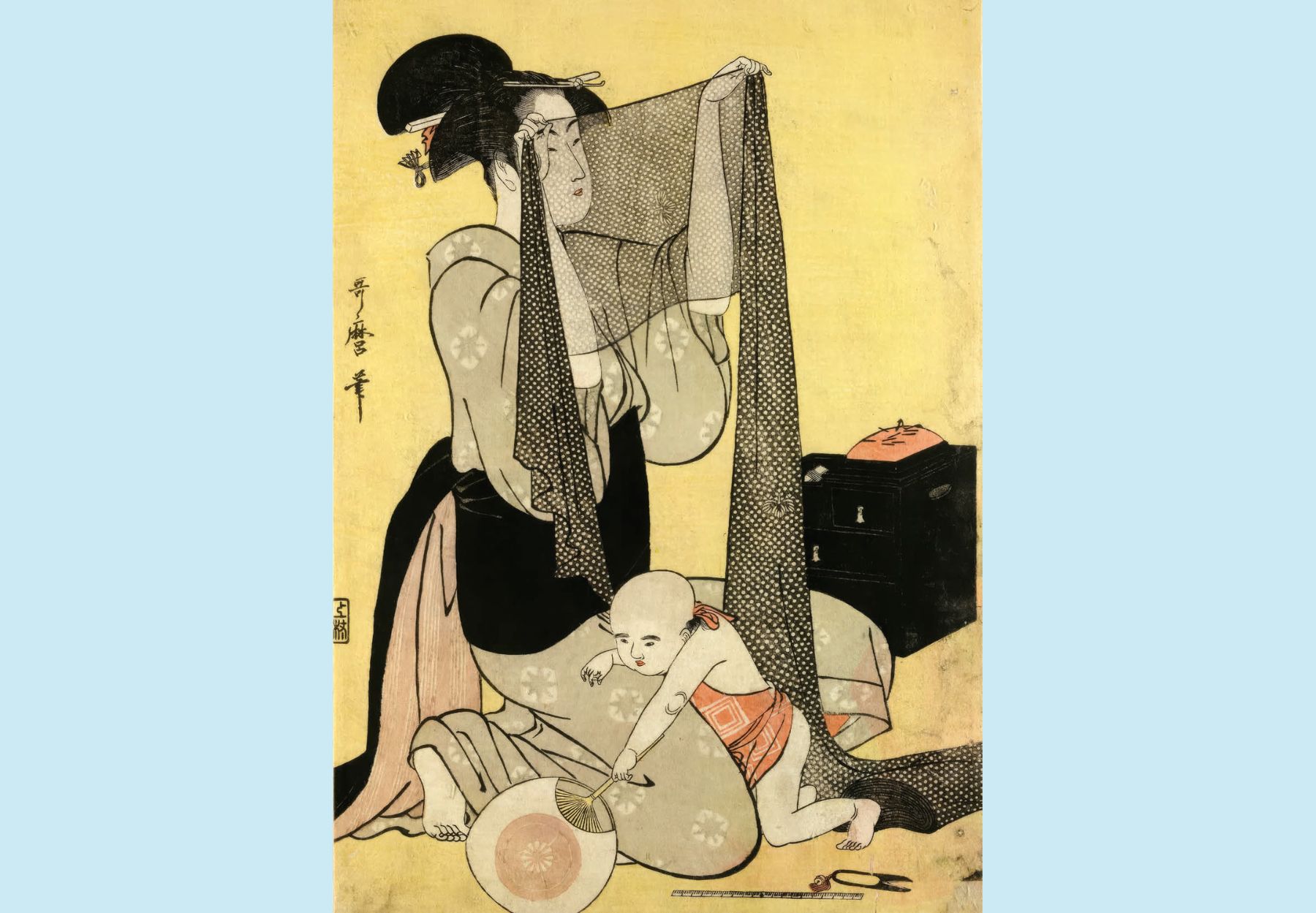
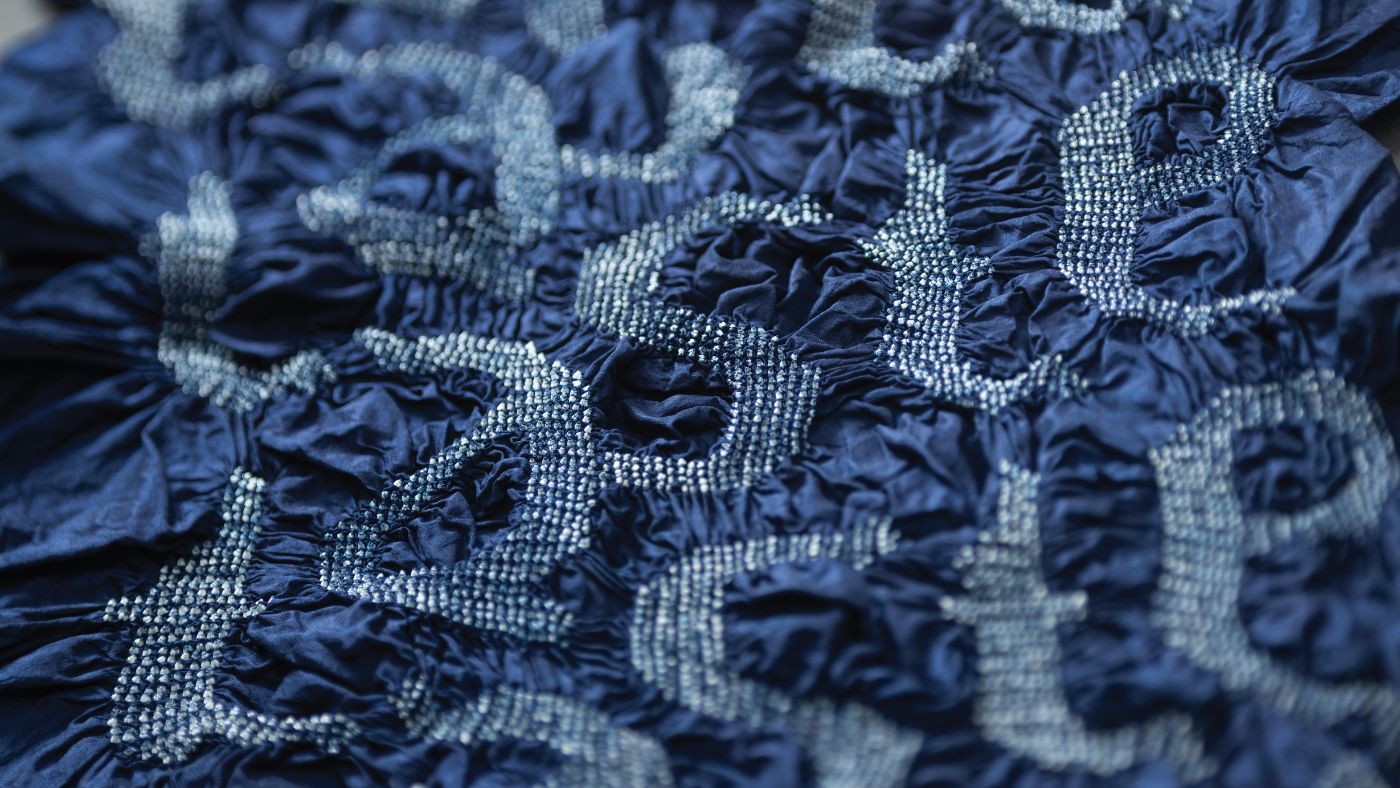
The textile is a form of resist-dyeing, where the material is tied into knots to achieve striking patterns—in this case, dots, waves, squares and stripes. The technique dates back to at least 4000 bce, to the earliest civilizations of Mohenjo-daro and Harappa. It is also near-universal. Evidence of the craft spans the ancient world—the 1,500-year-old Amarra in Peru, Shibori in China and Japan, and Adire in Nigeria. The designs look remarkably similar, though techniques vary from tying the cloth to sticks, to drawing patterns in wax, to making knots with rice, rocks or seeds.
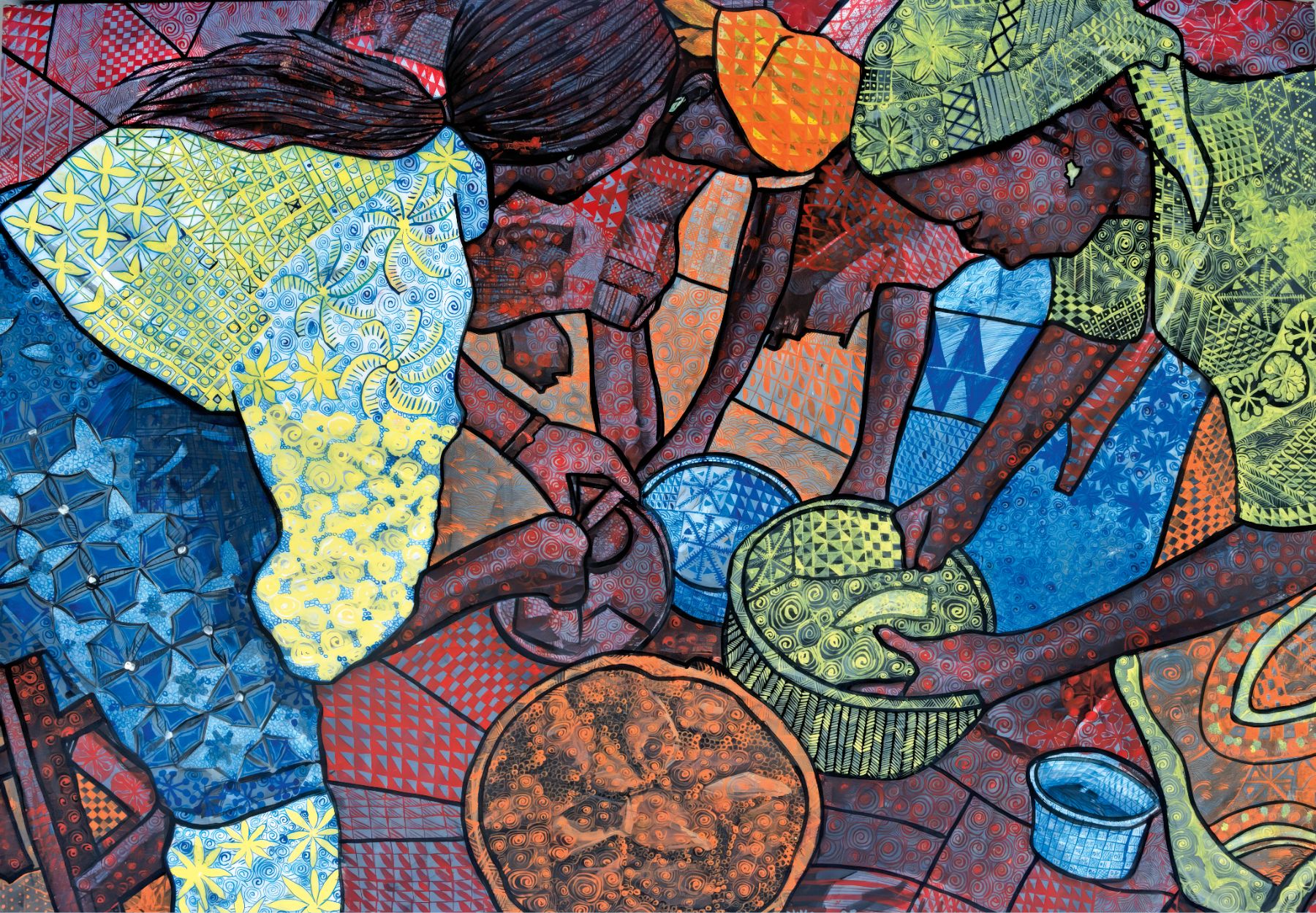
Of these, Bandhani is likely the oldest. The textile migrated along the old Silk Road, spread by Buddhist pilgrims and traders, and across the ocean, from Gujarat to lands as far-flung as the Horn of Africa. One wondrous example of centuries of cultural exchange is a fifteenth-century block-printed textile with Chinese lotus flowers at the centre and a Bandhani square-and-star border—unearthed in Fustat, Egypt, also known as Old Cairo.
Colonialism accelerated the spread of the fabric, though in a less appetizing fashion. Bandhani printed kerchiefs became a must-have accessory for sniffly connoisseurs of snuff in England, as it helped hide the dark tobacco stains of their spit.

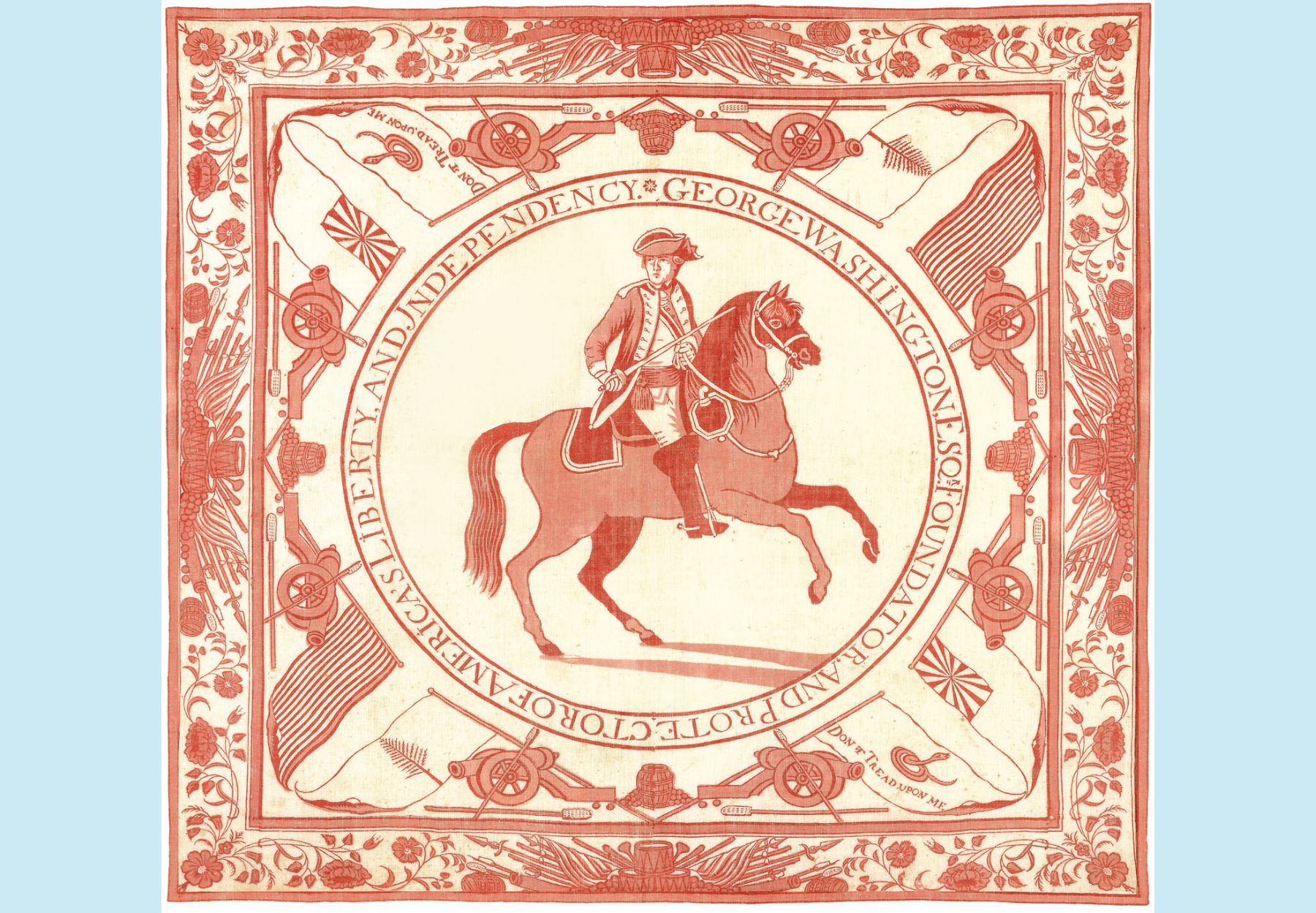
These squares of fabric acquired a new name, ‘bandana’ (from the Portuguese bandunoe), and were produced in a great variety of prints, erasing their association with Bandhani itself. The bandana is today an iconic American emblem that has adorned the heads of Revolutionary War soldiers, women workers at World War II factories (most famously Rosie the Riveter), 1960s hippies and, later, gangsta rappers. The bandana has since found its way back to India, flaunted by buff Bollywood stars as a nod to American-style machismo (oh, the irony!).
Closer to home, Bandhani found its way from the Khatri community in Sindh to the karigars of Gujarat and Rajasthan. Saurashtrian migrants to Madurai in the seventeenth century took it to Tamil Nadu, where it is called Sungadi. Each region has added its own distinctive flair to the textile—and invested it with different meanings as designators of community, marital status or occupation. Although it has now migrated to the lofty heights of fashion runways and Ambani weddings, Bandhani remains woven into the fabric of daily Indian life, ubiquitous on sarees, dupattas, lehengas and turbans—worn in the city and the village, by the rich and the poor.
*****
(This essay originally appeared in Taste, edited by Lakshmi Chaudhry and published by Juggernaut Books.)
 souk picks