

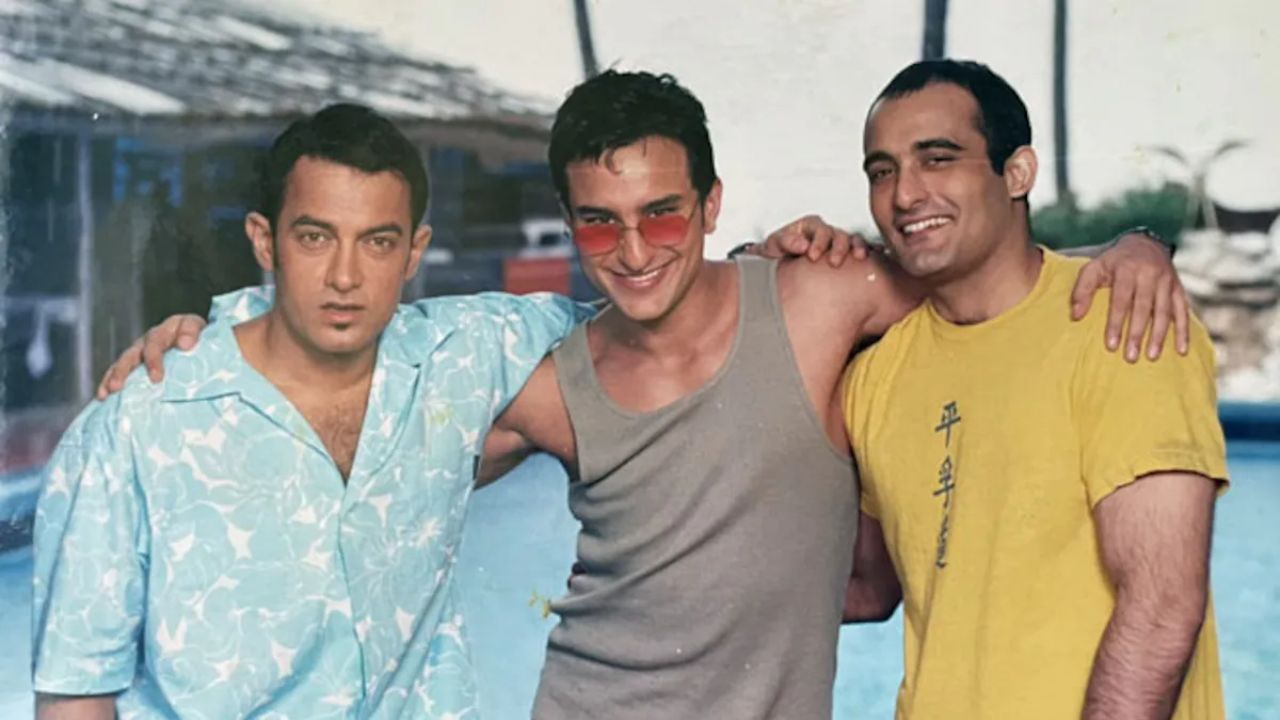
Dil Chahta Hai: Bollywood's friendship era
Editor’s note: Dil Chahta Hai released 25 years ago, and became an instant classic. Ishita Sengupta, film critic and Consulting Editor at Advisory, examines the legacy of this era-defining film in our lead essay this week. In its effortlessly cool way, Dil Chahta Hai introduced a blueprint for modern male friendships in Bollywood, starting off with the boys’ trip to Goa, a rite of passage. Here, she traces the journey of the buddy film, and how it has evolved since Dil Chahta Hai.
Written by: Ishita Sengupta
*****
Farhan Akhtar’s directorial debut, Dil Chahta Hai, a life-affirming story about three friends, is one of those rare Hindi films that arrived just when it was needed. Films are understood in context and recognised through legacy and, over the years, Dil Chahta Hai has gained the distinction of being ‘timeless’. Back in 2001, it was regarded as a timely intervention to the dull depictions of male friendship in Bollywood; 25 years later, the film has accrued a vitality that persists.
There are multiple arguments for this. Akhtar’s film revamped the aesthetics of Hindi cinema, injecting a shot of coolness that films, till today, continue to play catch up with. Characters looked like they hadn’t before—men donning goatees (Aamir Khan’s soul patch became a brief but defining trend of the era), a girl with curly hair not yanked into shape—and the Juhu-Bandra stretch of Mumbai was no longer aspirational but accessible. Then, there was the core.
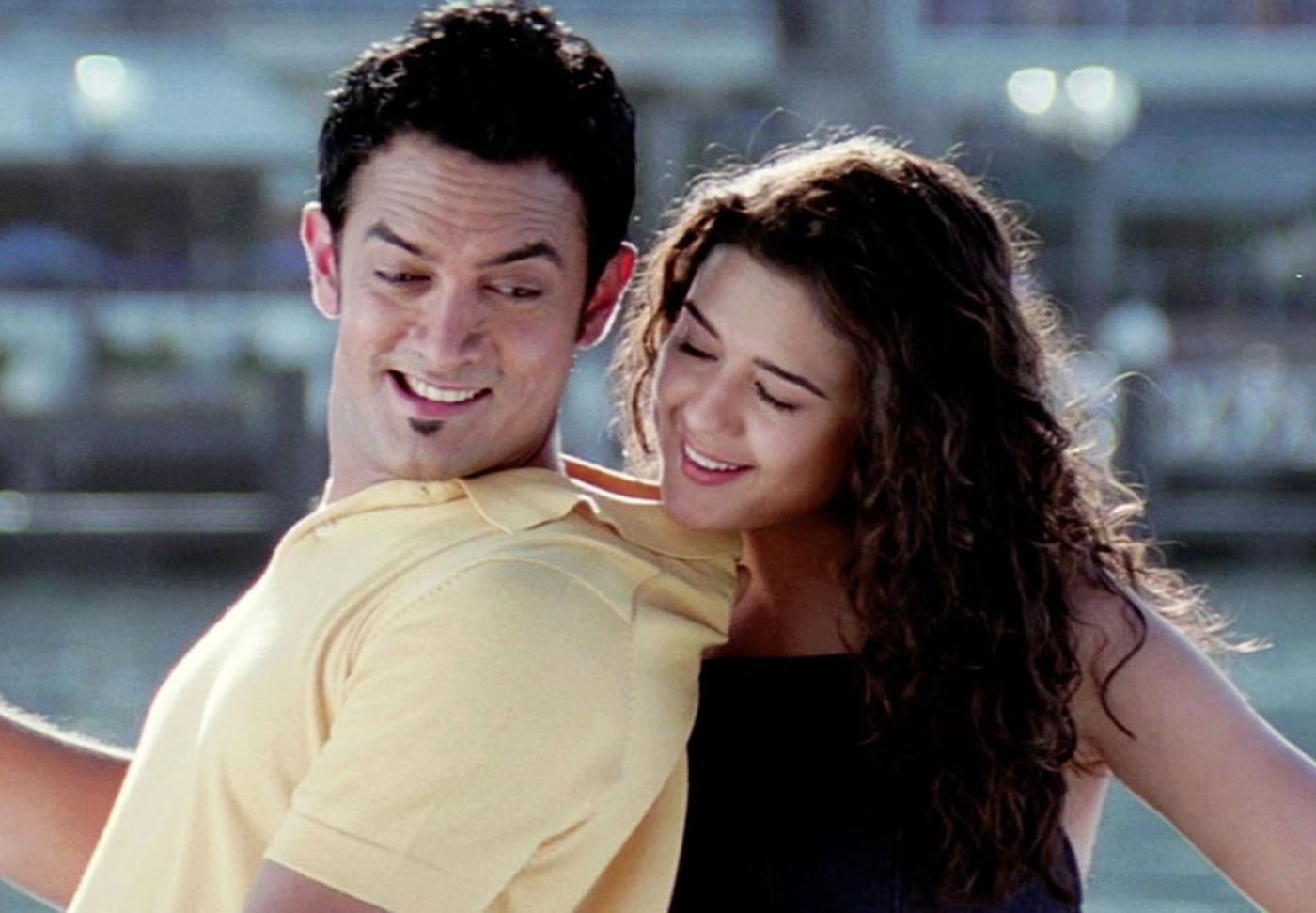
Dil Chahta Hai centres around three men and their friendship. Sameer (Saif Ali Khan), Siddharth (Akshaye Khanna), and Akash (Aamir Khan) have been together for decades. Anyone who knows one, knows the other two. They have hung out in college, barged in and stormed out of each other’s houses, fielded complaints from partners and parents. They have not just taken the hallowed Goa trip but invented that as a blueprint for friendship. Then, life takes over.
Such acknowledgement of friendship at the turn of the century felt inventive given the stranglehold of one kind of cinema in the popular discourse. The ’90s marked the rise and rise of Shah Rukh Khan—Dilwale Dulhania Le Jayenge in 1995, Dil To Pagal Hai and Yes Boss in 1997, Dil Se and Kuch Kuch Hota Hai in 1998—and with him rose the wave of love stories in mainstream Hindi cinema.
The heteronormative yearning was so strong that friendship between a man and a woman, if it ever existed, was treated as a ruse. The tone was set in Maine Pyar Kiya (1989) when a character famously said: “Ek ladka aur ladki kabhi dost nahi ho sakte” (“A boy and a girl can never be friends”) and furthered by DDLJ. In the latter, a boy and a girl meet in Europe as friends and, though they retain the decorum of the set-up—she was betrothed, he was a slacker—love quickly follows when longing enters the picture. The same two faces appeared three years later in Kuch Kuch Hota Hai, Karan Johar’s directorial debut, playing “best friends”, only to realise they were in love all along, the realisation aided by the man’s precocious daughter.
For men, the plot was different but the script was the same. The presence of two or more men on screen, premised as a buddy story, was often a design for a multi-starrer. In such films, each man was an island, with all of them propped up as heroes with arcs that intersected but barely overlapped. Friendship, in such cases, was incidental or a supplement to further the main plot. Subhash Ghai’s Saudagar (1991) reimagined Romeo and Juliet in a village setting as the fate of the two lovers in the foreground was dictated by the friendship-turned-rivalry of the two elders (played by veterans Dilip Kumar and Raaj Kumar) in the background. In Rajiv Rai’s Mohra (1994), Akshay Kumar and Suniel Shetty teamed up as allies to avenge a common villain; in Sameer Malkan’s Main Khiladi Tu Anari (1994) the two leads (played by Kumar and Saif Ali Khan) treated friendship as a punchline.
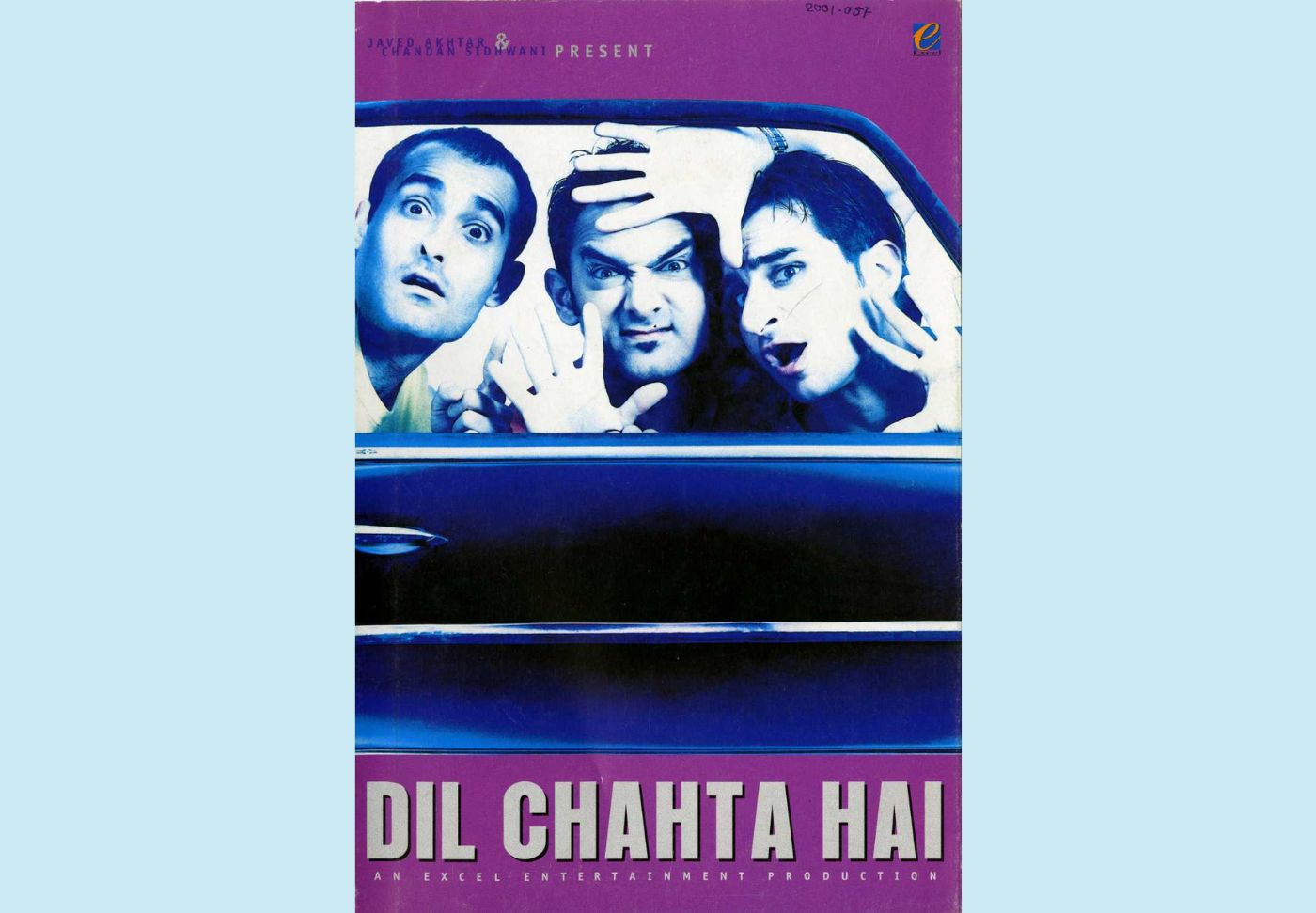
Even in films where male friendship was more central to the plot, like Jo Jeeta Wohi Sikandar (1992), Kabhi Haan Kabhi Naa (1994), and even Josh (2000), it was hierarchical. There was always a protagonist—the ‘hero’—while the rest rallying for him had one identity: they were the hero’s friends or sidekicks. The relationship, defined by functionality, had to earn its place in the narrative. Akhtar’s film treated friendship as the centrepiece, and everyone else had to match up to it.
In Dil Chahta Hai, friendship existed as a central motif in its own right. It was not incidental nor was it subservient to or in service of the hero’s grand arc. In fact, the characters felt obligated to it; they were compelled to set aside their misgivings and churlish behaviours for this higher cause. Sameer, Siddharth, and Akash are privileged men who have a fallout when one oversteps. Siddharth has fallen in love with an older woman and Akash makes light of it with a crude comment. Siddharth slaps him. In any other film, the moment would serve to establish the one who is hurt as the protagonist and throw him on a journey of self-discovery, egged on by humiliation. Akhtar doesn’t do that.
Although Dil Chahta Hai tracks Akash’s life post the slap, he (Aamir Khan) never becomes the main character even while going through the arc of one: meets someone, falls in love, gets his heart broken, and yet holds out on meeting his friends. It’s a small deflection but informs the larger intent of the film: Akash is part of the story but the story is not just about him. His friends exist not to benefit him; rather, the (estranged) friendship exists between equals with their own lives and journeys. When they eventually meet, Akash and Siddharth are battered by life but buoyed by the bond they once shared. They have both loved, one stood on the brink of loss and the other did not. But they were together. In a telling detail, the setting is a hospital—a mighty leveller if there ever was one—and the peace broker is Sameer, the third friend.
By doing so, Dil Chahta Hai upheld the utility of friendship where it was in service of only itself. In a plucky swerve, the friends in the film were not reduced to being a bridge between the hero and the heroine. They were not saddled, as characters in Indian cinema often were, with the responsibility of resolving their misgivings and bowing out at the final act. Instead, the friends were in fact a bridge between each other. This was as rare then as it is now, especially when one considers more recent films like Stree (2018), Bhoot Police (2021), Bhediya (2022), where the function of the male bond is wrapped in humour.
In the interim, however, the potency of Akhtar’s vision was acutely felt in a series of male buddy outings like 3 Idiots (2009), Zindagi Na Milegi Dobara (2011), Kai Po Che! (2013). Each of these pursued the dignity in friendships that Dil Chahta Hai depicted, as they allocated screen time and relevance between the men without shortchanging either. They could be taking a trip to Spain or sitting at an IIT and rueing over their prospects but they were, inherently, people dependent on each other as much as the stories depended on each of them. And this reliance gave shape to a desire that inspired imitation, similar to the kind peddled by love stories.
This brings to focus a more crucial question: what caused the loss of the genre of buddy films in Hindi cinema today? The answer can be many things: lack of persuasive writing, the financial strain of mounting a project with multiple actors, or perhaps general disinterest. But one thing is for certain: the absence of friendship on screen has also brought back the template of hierarchy that Dil Chahta Hai dismantled. The above mentioned films are symptoms but the syndrome is something else. The hero in Hindi cinema today has become so starkly self-involved and so frustratingly unassailable in his heroism that there remains little space for the vulnerability that friendship mandates and protects. As an offshoot, the familiar prospect of visiting Goa with friends has been relegated to a grudging plan (Kunal Khemu playfully alluded to this with Madgaon Express).
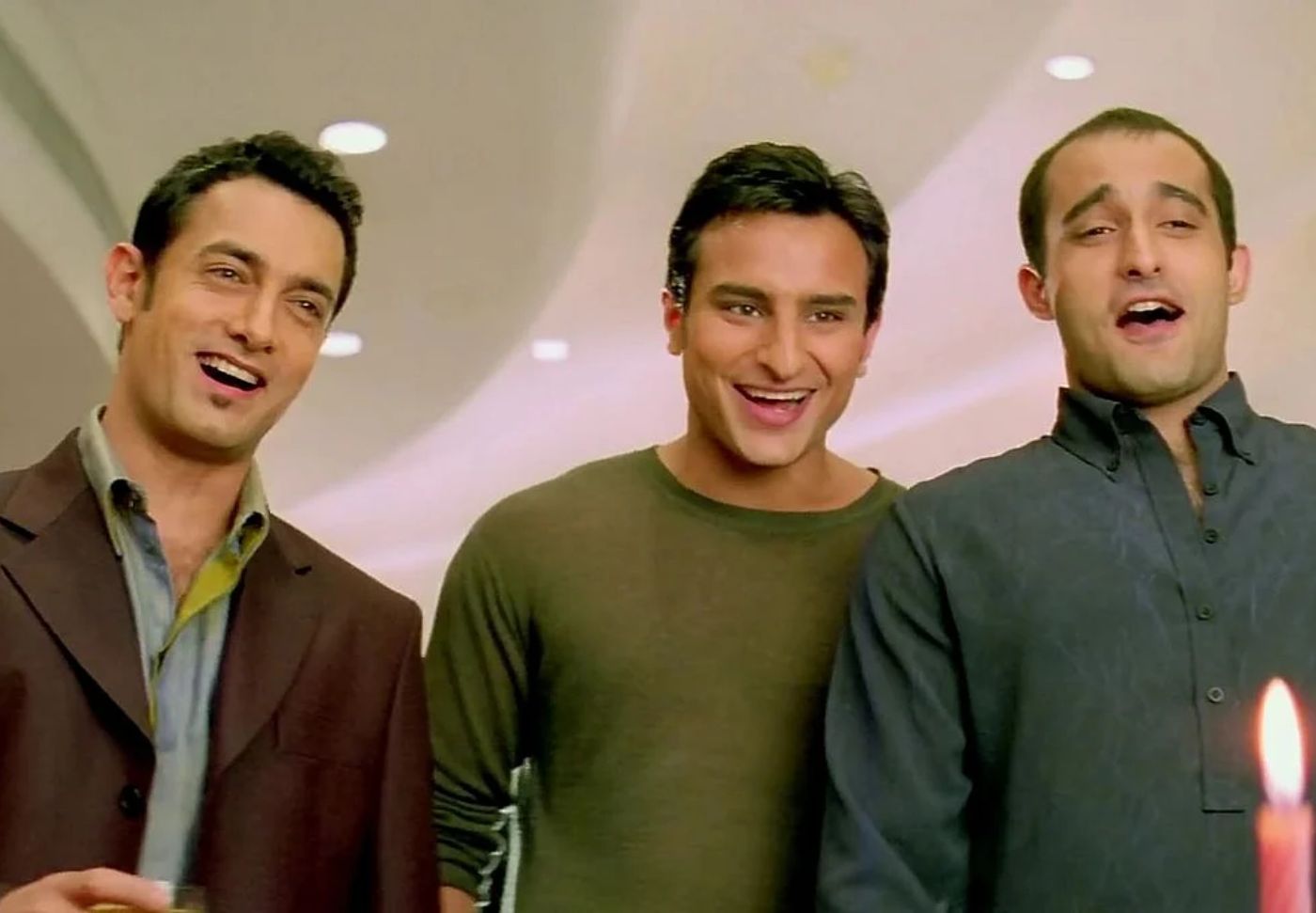
A closer look, however, reveals an interesting segue. The recent roster of Hindi theatrical releases (clogged by single-hero films like Animal, Pathan, Jawan) might signal its death sentence but male friendship continues to persevere. In the recent past, it has sneaked into shows like Aspirants, Hostel Daze, Kota Factory. The essence is similar: a host of young boys forging a connection that helps them deal with the world better. Issues ahead of them, like competitive exams or dissatisfactory jobs are more pressing and they’d rather do it together than face it alone. The curious bit about these long form narratives is how, despite their resuscitation of the genre, they too have fallen into similar traps. There are no main characters but friends continue being bridges to other people, and seldom to each other. Friendship, it seems, still has to prove itself. But that it occupies a center stage, even as the screen has become smaller, is an ode to the vitality of Dil Chahta Hai.
*****
Ishita Sengupta is a film critic and culture writer. She is Consulting Editor at Advisory. Her work is informed by gender and pop culture.
 souk picks