
Kochi-Muziris Biennale: Artists to watch out for
Editor’s note: Our resident art expert Mekhala Singhal has drawn up this list of 12 exciting contemporary artists whose works are being featured at the ongoing Kochi-Muziris Biennale, running from December 2025 until the end of March 2026. The festival, in its sixth edition now, routinely hosts radical, forward-thinking artists whose work challenges artistic and societal norms, and this fabulous list looks at some of the highlights this time around, across various art disciplines.
Written by: Mekhala Singhal
*****
Kochi, Kerala transforms into a haven for cutting edge creative expression every couple of years, with the Kochi-Muziris Biennale. Started by and for artists, it began in 2010 as an attempt to keep alive the history of Kochi’s people and the space occupied by them. Today, the Biennale—the first of its kind in India—is a must-visit permanent fixture on the art calendar. Some of the most talented and exciting contemporary artists from around the world find a home at the biennale, spread across multiple locations in the city.
The current edition of the festival, its sixth, runs from December 12, 2025 till March 31, 2026. Here, I shine a spotlight on some of the artists you absolutely cannot miss out on this time.
If you’re planning a trip to Kerala to catch the Biennale, head on over to our illuminating travel guide to Kochi by Sarah Varghese, with a list of places to stay, sights to see, and food to eat.
Arti Kadam
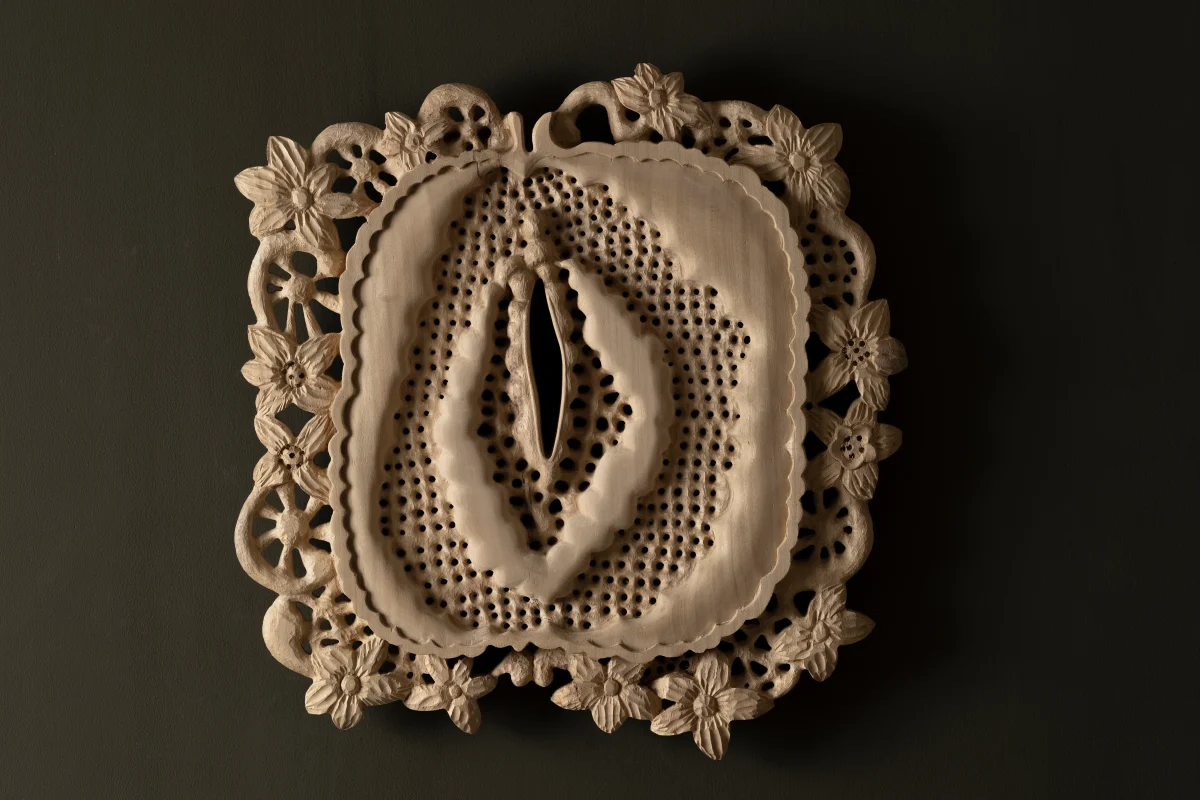
Arti Kadam is a Baroda-based visual artist, working primarily with wood and stone. Her work feels at the same time both familiar and alien, as she uses everyday tools and items to create objects that recall the domestic and cultural symbols of daily life and labour. Tactility is prioritised in her method, as observed in her use of clay, carving, and the interplay between materials.
Biraaj Dodiya
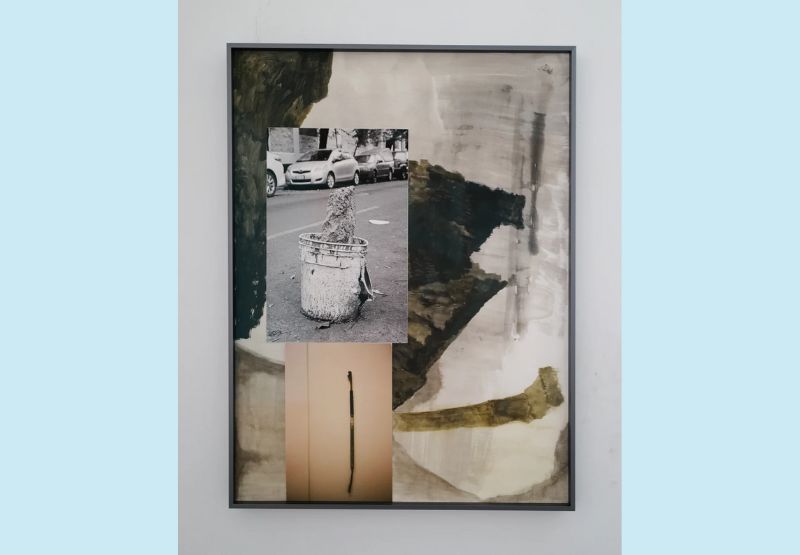
What happens when memory, time, and feeling are in conversation with each other? Biraaj Dodiya, Mumbai-based artist, explores these themes in her work, straddling the real and the abstract. Her paintings are layered, complex, and sometimes chaotic, meticulously created through several iterations of construction and deconstruction.
Abul Hisham
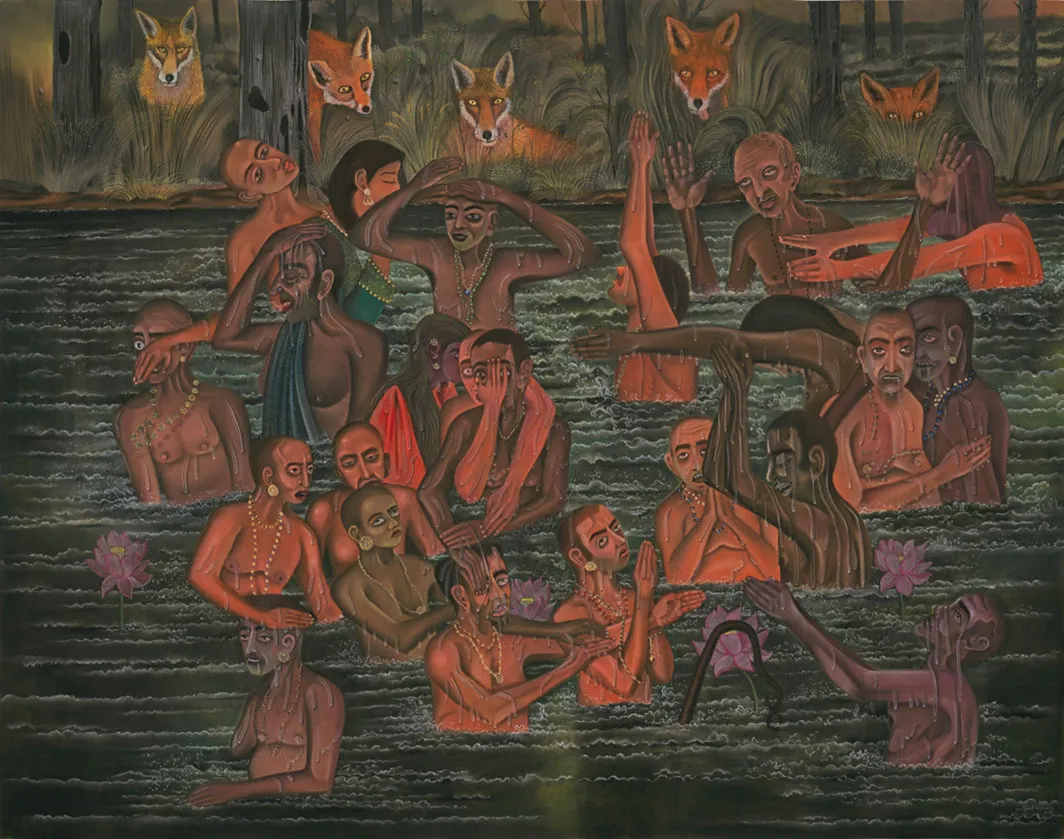
Abul Hisham, a visual artist from Thrissur, works primarily with dry pastels, powder, and wood to depict history, religious narratives, and conflict. Social and cultural memory is essential to his work, alongside use of traditional methods and materials; he uses this contrast to explore themes of death, desire, and belief.
Anja Ibsch and Grüntaler9
Anja Ibsch places herself in direct contact with the world around her. She is willing to make her body vulnerable to the public, interacting with the world as though she herself may be an object. In fact, her performances have even included her eating dust.
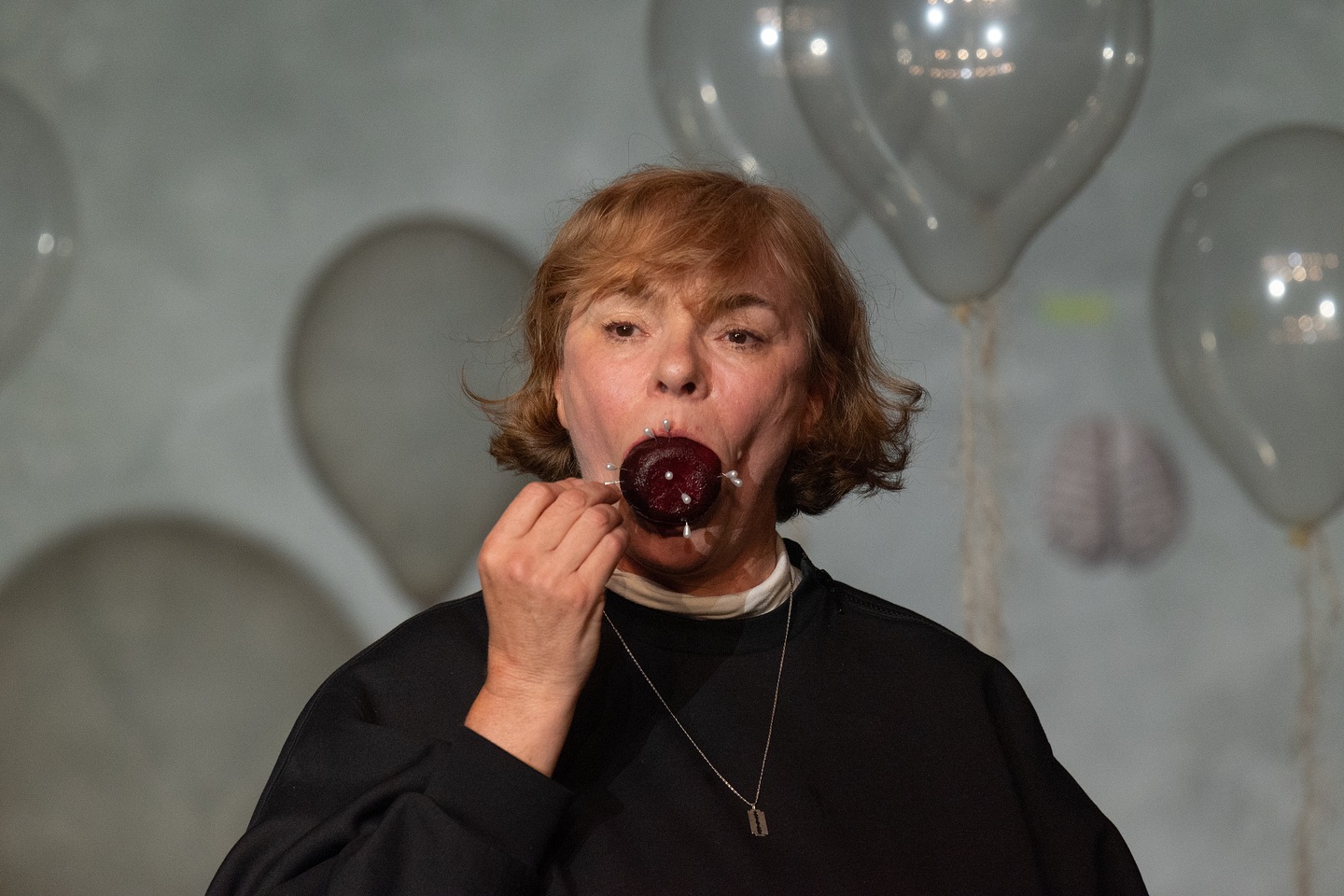
She is a Berlin-based artist and curator working in performance and storytelling. Through her visceral, boundary-pushing art, she interrogates themes of sacrifice, religion, and the sacred, putting the strength of the human body to test. (Grüntaler9 is a dedicated platform for performance art.)
Cinthia Marcelle
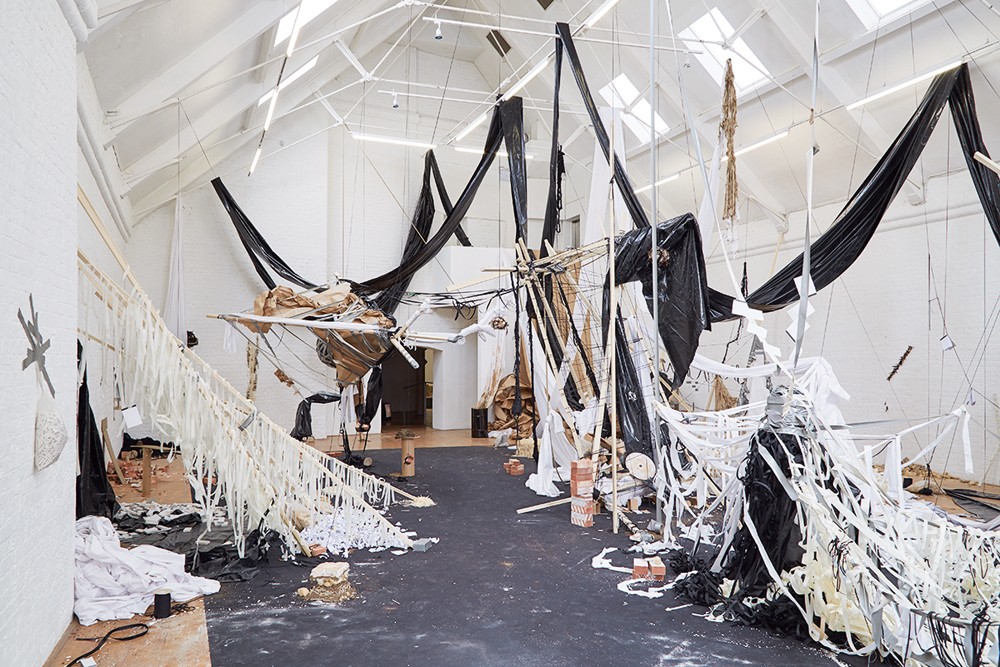
Cinthia Marcelle is a Brazilian multimedia artist whose work revolves around the conceptual structures that organise language, culture, and politics in the world. Her art—at the intersection of painting, drawing, sculpture, and installation—attempts to bridge the gap between the actual and the possible, the mundane and the special.
Maria Hassabi
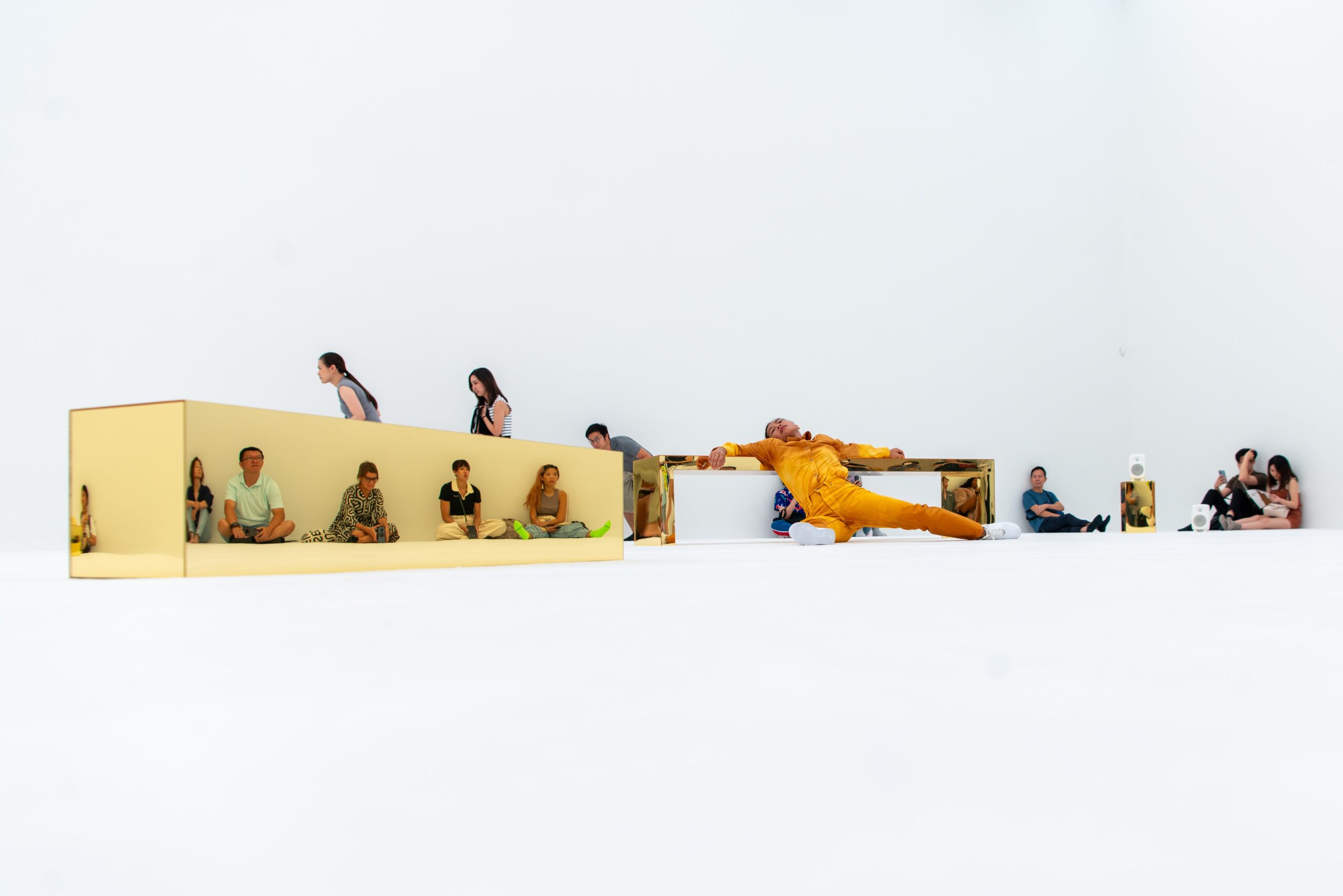
Performance and movement lie at the heart of artist and choreographer Maria Hassabi’s installations. Bodies become part of the space, bringing a lively dynamism to the work. In incorporating movement, stillness, and sound, Hassabi explores the relationship between the body and its surroundings. The alive and the inanimate. She questions the power of the live body in relation to the still image.
Dima Srouji and Piero Tomassoni
Dima Srouji is a Palestinian artist, architect, and researcher. Piero Tomassoni is a UK-based curator and producer. Srouji’s practice is centered around urban conflict—what it means to be displaced, and the relationships you have with the land.
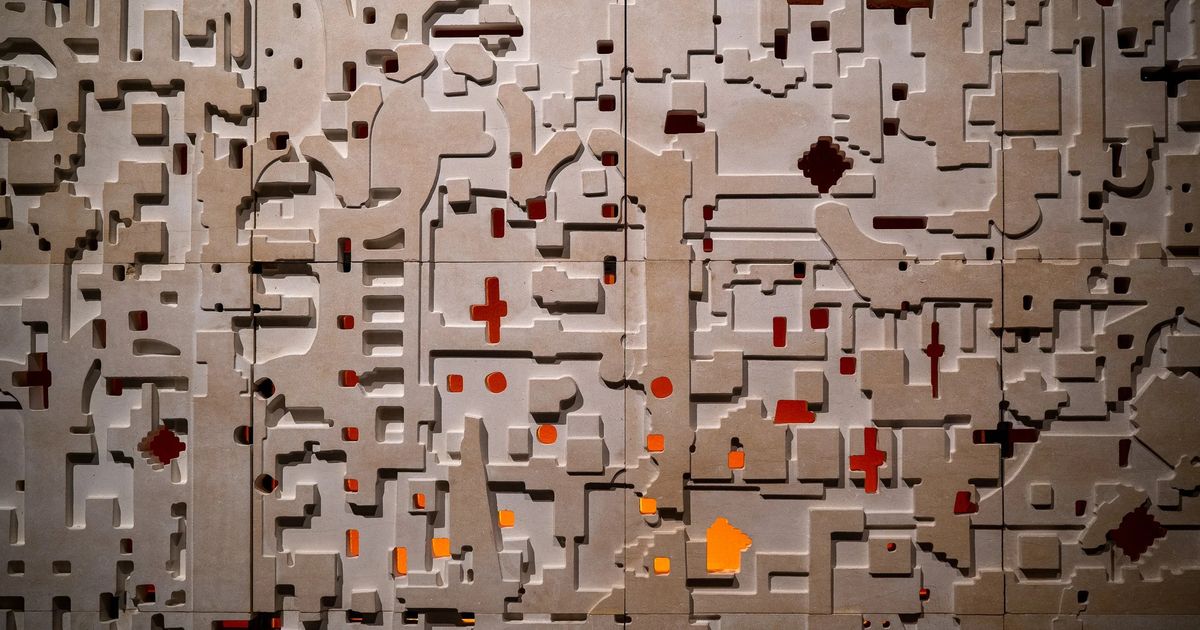
Together, their work focuses on the meaning and passage of time. It’s an interrogation of the structures that arise from moments of fragmentation, and the unraveling of history.
Sandra Mujinga
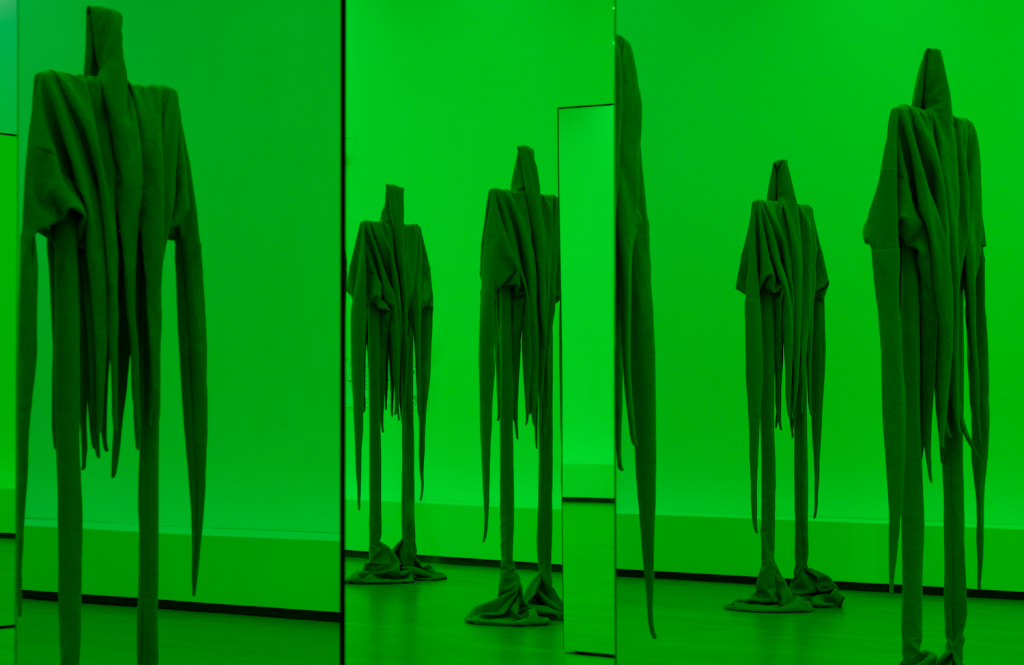
Sandra Mujinga is a Norwegian artist, musician, and DJ born in the Democratic Republic of Congo. She works with sound, text, visual art, installation, sculpture, and more, to create alternative realities. Almost fantastical in nature and relying on a post-colonial imagination, her pieces compel the viewer to imagine different pre- and post-human worlds.
Dineo Seshee Bopape
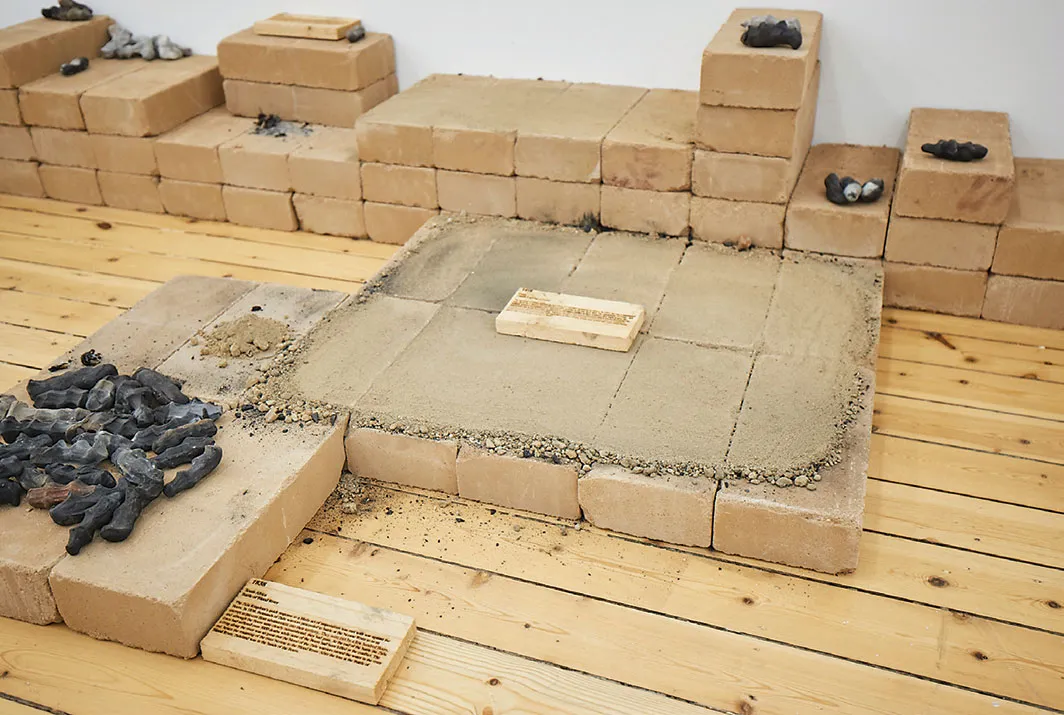
Dineo Seshee Bopape uses commonplace found materials and archives to create works about the self. Born in South Africa, her multimedia practice explores themes such as migration, enslavement, memory, identity, and the body, in conversation with the political history of the land.
Moonis Ahmad Shah
Born in Kashmir, Moonis Ahmad Shah is an interdisciplinary visual artist who combines various mediums (including sound, sculpture, installation) to challenge conventional ideas of time, memory, and the archive.
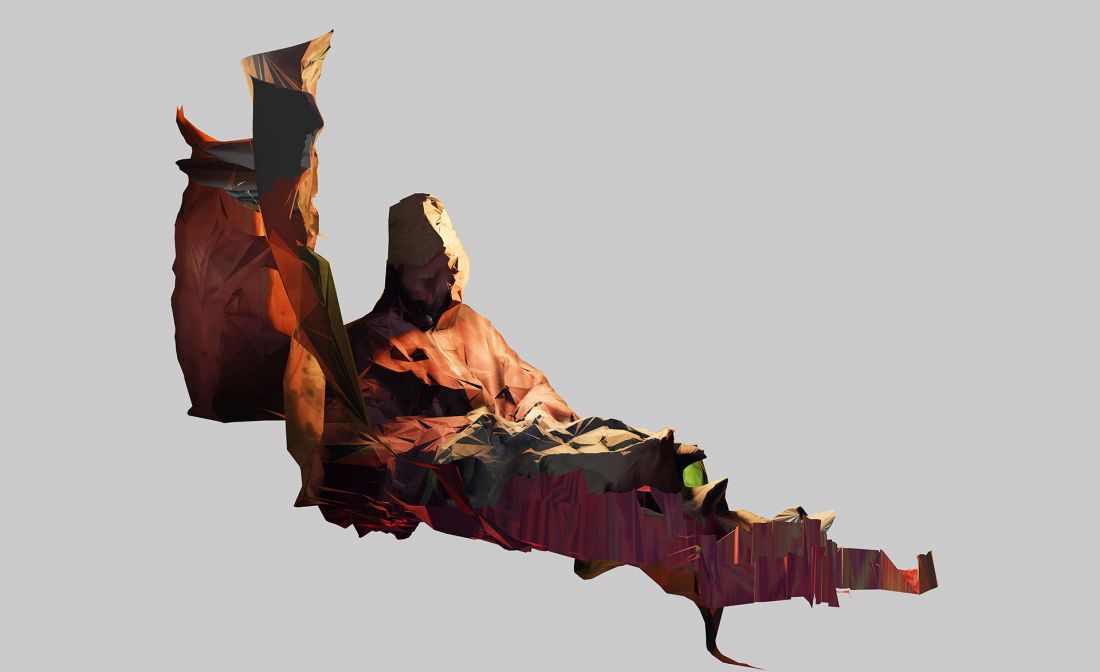 His work engages directly with the land it resides upon, questioning the ecologies of the past and the present, and the conflict through which these ecologies of being may have emerged.
Naeem Mohaiemen
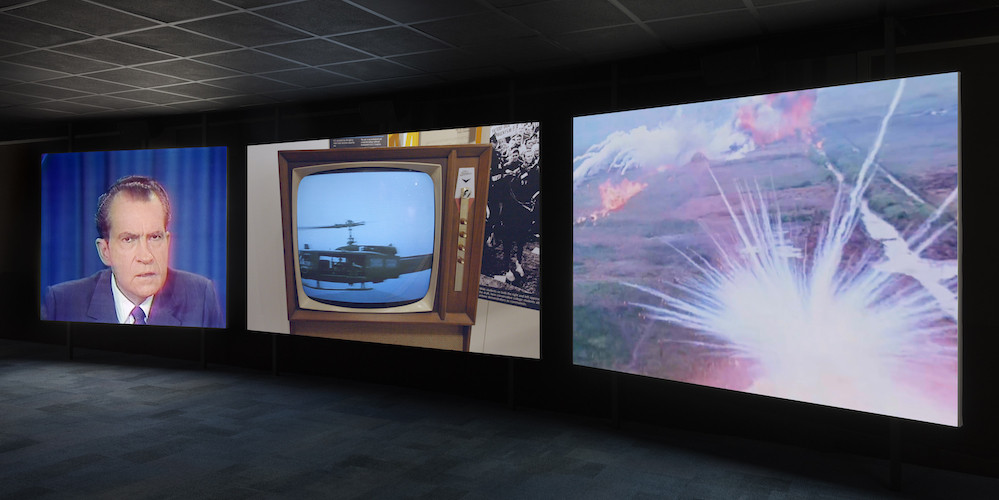
Naeem Mohaiemen is a faculty member at Columbia University. Having grown up in Bangladesh, he witnessed first-hand the constant upheaval and reconfiguration of identity and society. These experiences shape his work—incorporating film, photography, text, and drawings—as he confronts ideas of belonging, family, and national identity. By documenting the unfolding of history around him, he fills in the gaps in the existing archives.
Otobong Nkanga
Otobong Nkanga is a Belgium-based artist who uses sculpture and drawing in combination with research and pedagogy to examine the individual and community’s relationship with the natural world.
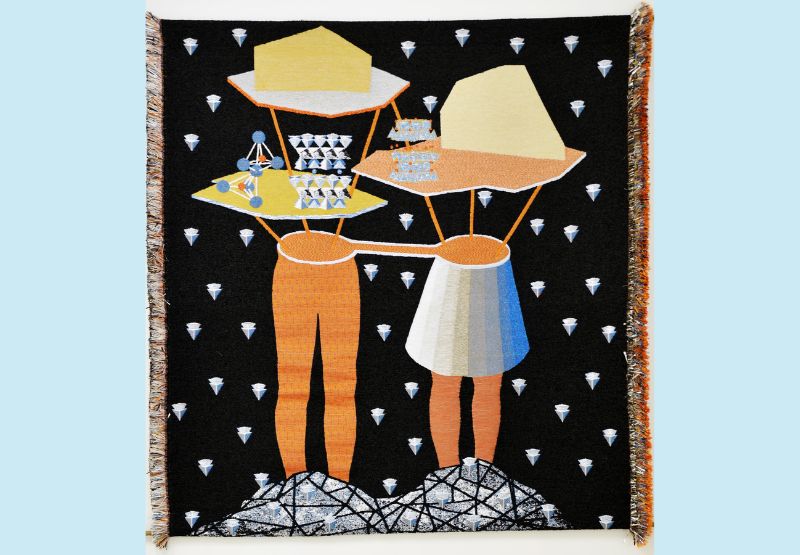 The exploitation of the earth’s natural resources serves as a starting point in her work, helping the viewer reimagine their relationship with the natural world. The complex systems of resource acquisition and processing are laid bare through her hard-hitting art.
*****
If you’re planning a trip to Kerala to catch the Biennale, head on over to our illuminating travel guide to Kochi by Sarah Varghese, with a list of places to stay, sights to see, and food to eat.
 souk picks