

Making of a mixologist: A primer
Editor’s note: Paripsa Pandya’s insightful report takes us deep into the bright and glitzy world of mixology and cocktail culture in India. She speaks to seasoned practitioners, industry insiders, as well as the young guns to understand how mixology—and other related professions like bartending and wine and spirit education—have become legit career paths in an industry growing by leaps and bounds.
Written by: Paripsa Pandya
*****
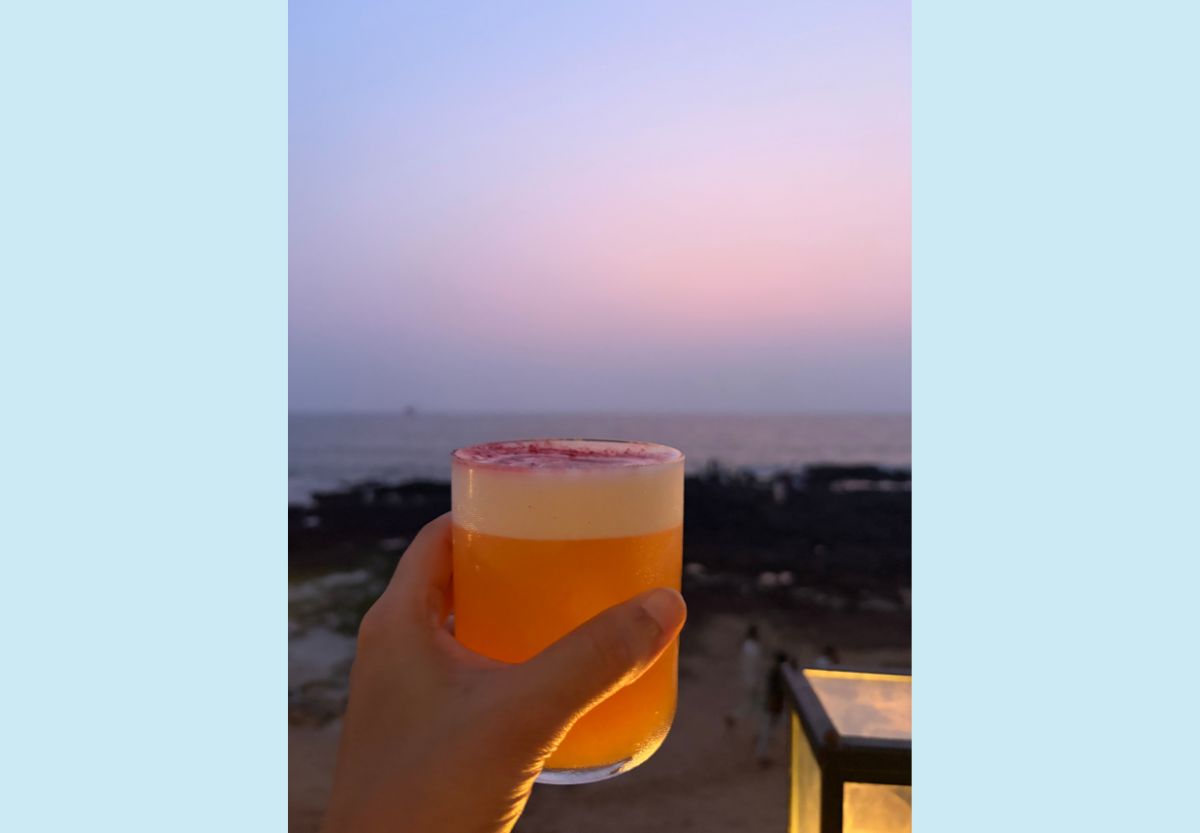
Last month, on my 30th birthday, my husband and I were seated at Slow Tide, a popular bar in Anjuna, Goa, known for beautiful sunset views and cocktails. I was sipping my first drink of the night—a delicious fruity cocktail called Amsterdam Dave (see below), a blend of gin, muskmelon, and lemon—when I saw a space inside the restaurant. When we walked up to it, we saw Stoned Pig—a ‘microbar’ (a bar nestled within a bar). We immediately cleared our bill and walked into Stoned Pig, an intriguing space with dim lights, soft music, and an unrushed vibe. The bartender, upon finding out it’s my birthday, made their signature birthday shot—an espresso martini. As per their ritual, birthday shots need to be consumed by everyone present, and so the bartender, my husband, and I toasted and enjoyed our drinks together.
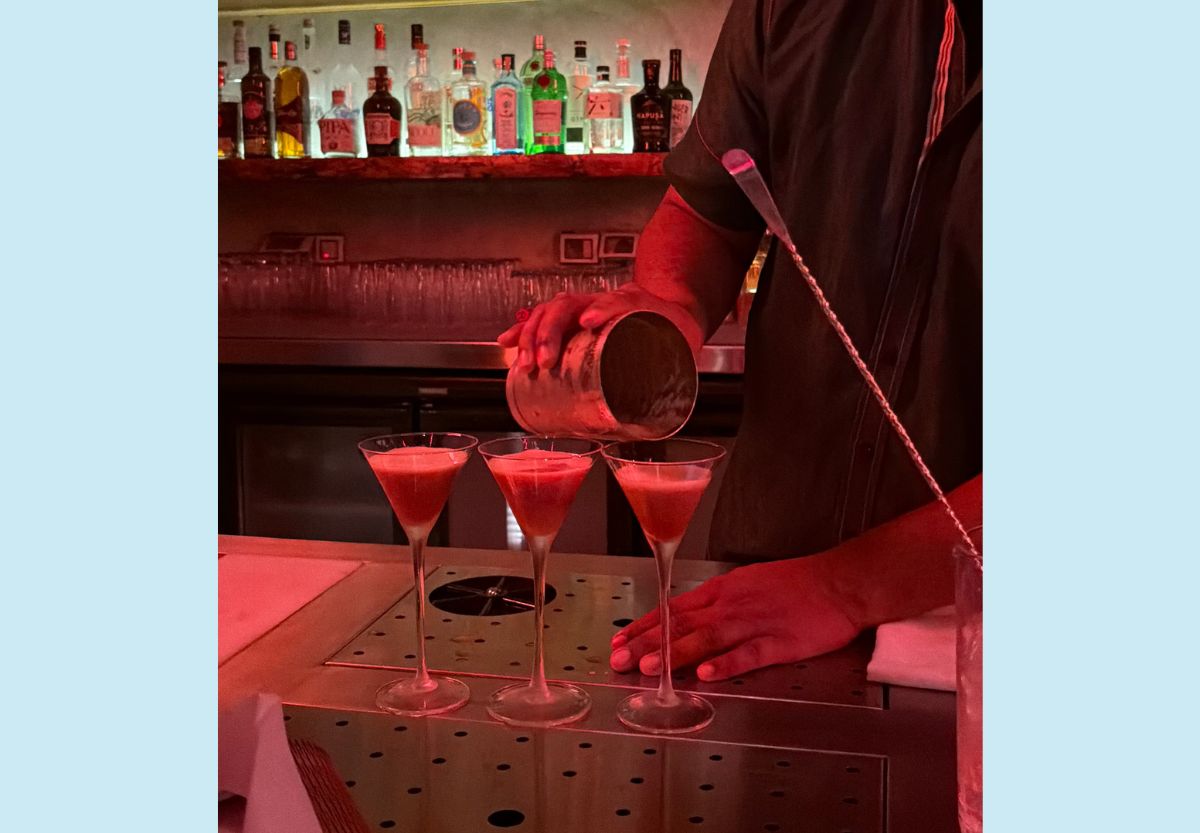
On another night, we headed to a spot in Assagao where three rooms in a bungalow lead to three different bars—Drop Dead Sexy, Room One, and Bloody Dangerous. Designed by artist Siddharth Kerkar, each of the bars has incredible art installations as well as delicious cocktails crafted by expert mixologists.
In the past few years, the alcohol beverage (alcobev) industry has grown by leaps and bounds. Estimated to have a market size of Rs 6.2 lakh crore in 2025, the industry is expected to keep growing, projected to achieve a valuation of USD 89.8 Billion by 2036. And it’s not just numbers—if my experience in Goa is any example, there is a growing number of new bars and clubs, each with its own unique selling point and creative approach. As a consequence, we’re seeing a rise in mixology and other related disciplines, including bartending, wine and spirit education, and consultancy, as professional career paths with a structure and opportunities in place for newcomers and veterans alike.
***
On the consumer side, people now enjoy drinking craft cocktails, exploring bold flavours and brands. They’re eager to experiment; as importantly, they’re willing to pay. Of course, it’s important to note that the rise of cocktail bars and programmes is largely contained to key metros and travel hotspots like Mumbai, Delhi, Goa, Bengaluru, Hyderabad, Kolkata, Chandigarh, Pune, Jaipur. Greater exposure to global cocktail culture via travel, as well as the rise of bars promoting local, regional, and indigenous ingredients, means people are more receptive to new flavours and styles.
Buland Shukla, Founder, For The Record, a vinyl-bar in the quieter lanes of Fontainhas, Goa, believes that the post-pandemic travel boom has contributed to this trend.
More people started travelling abroad post-Covid and got a chance to experience cocktail culture, explore speakeasies, and see the kind of cocktails being enjoyed around the world. Those experiences shape narratives. This also helps consumers understand what goes behind making a good cocktail, and people can respect the effort that bartenders and mixologists put in.
As the industry has grown, mixology—the art of mixing and creating cocktails, with the skill and knowledge needed—too has become a legitimate career path. While the majority of budding mixologists have a hospitality or hotel management background, this growth has also attracted people from outside these spheres. Once a side hustle, it is now shaping up to be a solid professional path with great scope for creativity and self-expression. I was curious—in a space full of wine and spirit educators, ace mixologists, and bartenders, is there a blueprint for how one can navigate the industry?
The art of tending bars
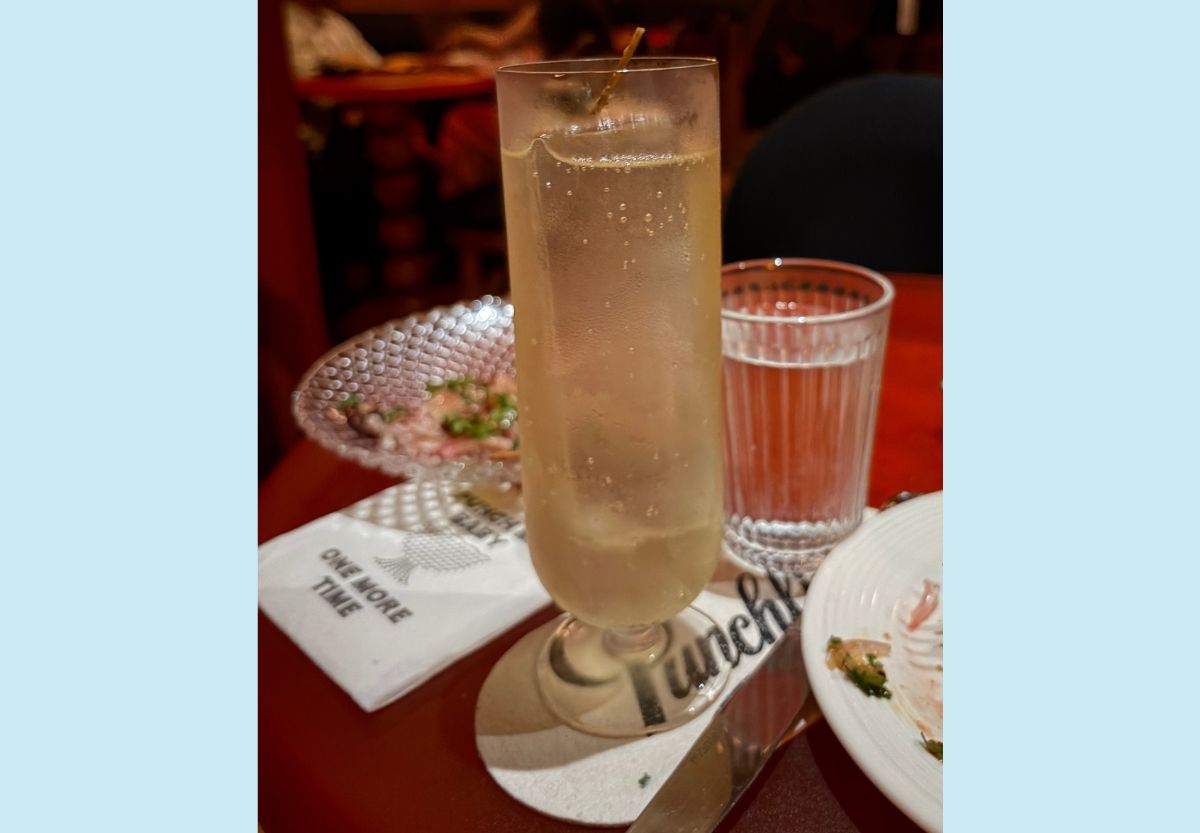
Jeet Rana, award-winning mixologist and founder of Barbet & Pals (Delhi) and Punchline (Mumbai), has been at the forefront of cocktail culture in India. At Punchline, the drinks are served like punch, considered the world’s oldest cocktail. Pitchers are served in traditional Indian vessels, and guests are greeted with their welcome drink, the OG Punch (see below)—a spiced rum drink that can turn a rum skeptic into a rum lover. There’s always something happening there; I walked in during a bar takeover with Nepotism, a hip bar from Jakarta. The place has a vibe that’s friendly, warm, and unpretentious; like a neighbourhood bar. But it takes hard work.
“Bartending is a high-pressure job,” Rana tells me. “Imagine making 200+ drinks on a Friday night within a few hours, and every single one has to be perfect. Even a single mistake can cause chaos, and at the same time, you need to ensure that patrons feel warm, welcomed, and have an experience they come back for.”
The pay can be tight in the first few years. Rana tells me that a lot of bartenders come from humble backgrounds, and freshers make around Rs. 25,000-30,000, with several overheads that bar owners have to incur. On his part, Rana ensures that he trains and supports the tending staff and pays the team well.
That on-ground training, he feels, is critical to a bartender’s growth. “Mixology is something that goes way beyond theoretical knowledge,” he says. “There are crash courses you can do and books you can read; I did a course for around Rs. 25,000 around 10-12 years ago. But what you learn on the ground, assisting someone, working as a trainee, is completely different.”
In a way, this makes mixology more accessible to the average person than the regular path to wine and spirit education, which requires heavy (and expensive) theoretical knowledge. Mixology, on the other hand, is alive, in tune with growing trends. He adds:
As a wine educator or spirit educator, you are selling something, so the amount of studying and research that goes into it is completely different, hence the expensive certifications. But as a mixologist, your main task is creation; it’s about learning on the go.
It’s important, however, to note that there remains a distinction—despite the overlaps—between bartending and mixology; the former is geared toward customer service and execution while the latter is about creation, experimentation, and innovation.
Then & now
I remember cocktail programmes in the 2010s—the era of ‘cocktail passports’, cocktail-making workshops, and DIY sessions. I bought a cocktail passport that gave me access to eight of the most popular bars in Mumbai, along with a cocktail at each bar. The popular cocktails at the time were generic. Sangrias, mojitos, daiquiris, martinis.
By 2018, gin-and-tonics (or G&Ts) had become popular. Festivals like Gin Explorers Club came up, and people also started experimenting with gin cocktails. Then came the picante, a spicy tequila cocktail. Of late, regional spirits have also become sought after. We see mahura used in cocktails increasingly; and in Goa, ‘Floating Feni Experiences’ have been popularised by brands like Cazulo. In a way, the rise of mixology and such spirits has been propelled by experimental alcobev events and experience-driven drinking. From feni-and-tapas trails to wine-and-cheese tastings to supper clubs, the consumer is veering towards creative cocktails.
Today, if you walk into Bandra Born, Idoru, Bombay Daak, Dali & Gala, any of the leading bars in the country, it’s not only about the drinks; instead, you’re part of an immersive experience. Cocktails are crafted with intention and care. Food pairings are taken seriously. Drinking is no longer about getting drunk. It is about exploring cuisines, cultures, and playing with your palette. The high is a pleasant side-effect.
How to become a mixologist
At For The Record in Goa, cocktail-making is no less than an art. The space has three sections: an outdoor area, an indoor bar, and a room where you can play vinyl records while the team experiments with cocktails. They extract flavours from flowers and spices and create cocktails from scratch, sans commercial syrups. I remember having their Hydroball (see below), a clear cocktail that actually contains distilled champa and raat rani flavours. One sip and I was transported to my nani’s garden!
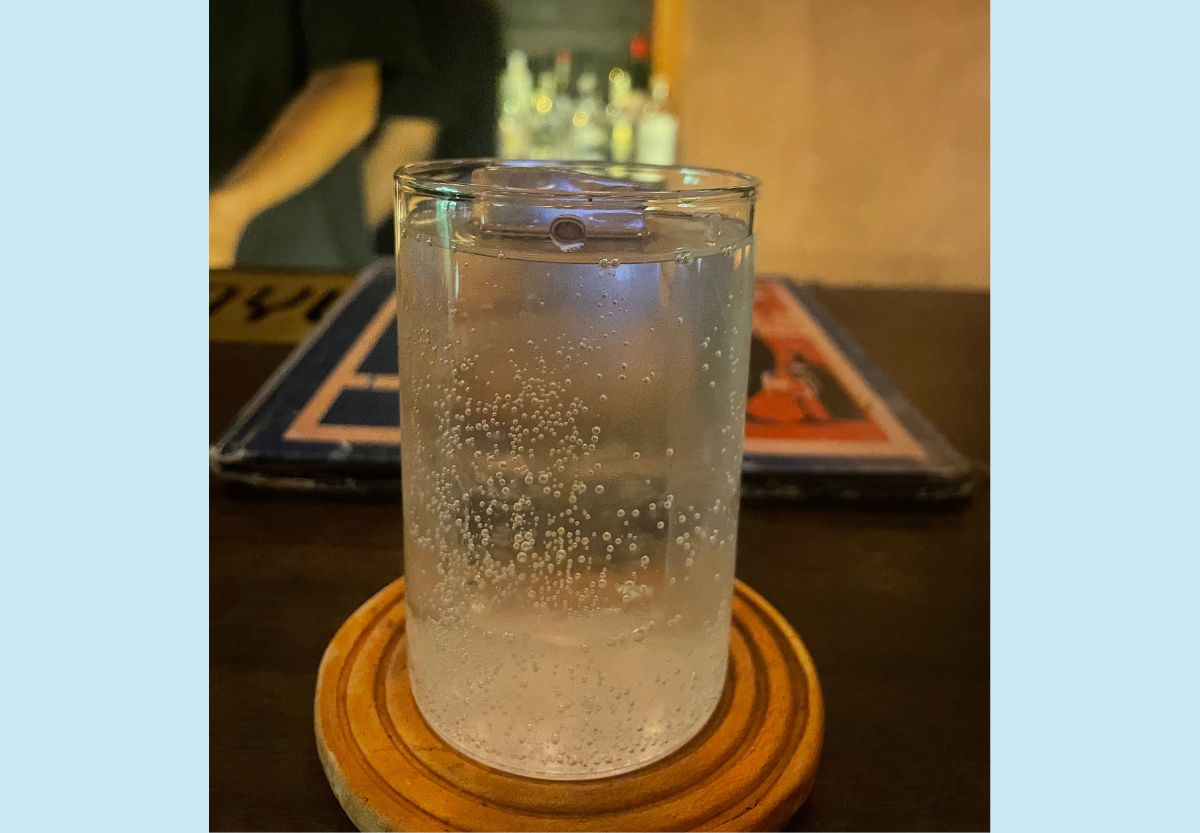
The owner, Buland Shukla, explains that bartending and mixology require different professional skillsets. “Bartending is high-pressure and requires a lot of people-management. The bartender handles peak hour pressure, making cocktails on the go,” he says. “Mixology is about creating the cocktails on the menu, developing the bar programme. It requires a lot of creativity and patience. It’s important to keep innovating as a mixologist.”
Beyond mixology, bartenders and mixologists can foray into alcobev consultancy and advocacy. This includes but is not limited to, designing cocktail menus for bars, training the bartenders and staff, creating custom cocktail-focused events, and often also working on the go-to-market strategy for new-age themed bars. Achintya Pravin is Head Consultant at Spill It, an organisation that manages cocktail programmes for bars, executes SOPs for new bars, and conducts unique cocktail-focused experiences for bars across India. Pravin tells me how a position in operations, which requires you to be on your feet, doesn’t pay as well initially. Thus, people are moving into consultancy or wine and spirit education thanks to greater financial opportunities. He adds:
However, with consultancy, there are certain factors you need to keep in mind. When you’re consulting with a new restaurant, it’s very important to create something that consumers will love. A lot of times, if a bar or restaurant gets a good response, the owners will feel like they’ve done a great job, whereas if it gets a bad response, the consultants will be blamed.
Smelling the grapes
The view of veterans like Pravin or Rana, with significant experience and insights into the alcobev world, is positive and hopeful about the industry’s rise and evolution. However, I also wanted to get the perspective of newer entrants in the space. Saloni Parulekar, wine & spirit educator, is working her way through the ranks. She has completed the Wine & Spirit Education Trust (WSET) Level 1, Level 2 and Level 3 exams and is now preparing for the Level 4 exam. These exams equip professionals with the knowledge to identify wines including their location, the grapes used, the nature of the soil—all from just sipping the wine. They can then recommend the right wines for different occasions, identify food pairings, and also consult on wine menus in the hospitality space. Parulekar explains that while the exams have been helpful, the final level is a far bigger commitment. She says:
Although I read about wines and spirits in my hotel management course in college, the amount of knowledge I’ve gained from the WSET courses is immense. While I’d already finished Levels 1-3, I signed up for Level 4 later, since it requires a lot more preparation time and is a significant financial commitment.
WSET courses offer a solid certification for anyone entering the industry. Levels 1-3 cost around Rs. 1.5 lakh in total, with exams conducted in India. Level 4 however, consists of six exams over a two-year period, with each exam held abroad. It’s an outlay of Rs. 11 lakh over two years for the course, in addition to international travel for the exams as well as the cost of samples for tasting and practice.
She adds that while she has an active desire to learn more about the space, hence her pursuit of the higher levels, opportunities arise for people at Levels 1-2 as well. She mentions how it’s also good to develop a broad knowledge of the space, “It’s really important to keep an open mind in the industry. It can often be very helpful to be an ace generalist and learn about different aspects of the industry. I often saw bartenders and mixologists signing up for WSET courses because they wanted to upskill and learn more, and they were my students in the WSET classes that I taught.”
Thus, people are crossing over within different spheres of the alcohol space: mixologists studying wine and spirits; educators moving toward consultancy; and so forth. However, it can feel like an alien world for people without a hospitality background: Like Aarshi Raj, 22, for instance. As someone with a keen interest in the manufacturing and marketing of spirits and brands, she feels there’s a gap in terms of structure and formal education. “Yes, there are diplomas and courses,” she says, “but what if there was a proper degree in India, at an institute where you attend classes for a couple of years. From the history of spirits, to the ingredients, local nuances, right up to how you should be marketing different forms of alcohol.”
She is right; entry to the industry is still restricted, and suffers in the same way many other creative industries in the country do—it resists formalisation. She argues:
The way that someone studies medicine, humanities, or commerce, there should also be a structured form of education that enables people to explore the industry. I’m incredibly curious about the industry, but I believe that formal education will really help put the Indian alcobev sector on the global map.
On one hand, the industry has grown by leaps and bounds, with cocktail programmes, bar takeovers, and mixology courses across major Indian metros. However, if we are to compare it to another vocation and the kind of structure that other professional courses in India have, the mixology and spirits industries still have a lot of work to do. While a lot of the learning happens on the job, creating structure, forming institutes within the country that can train people, teach them, and create an ecosystem of learning, should be the larger goal.
I remember thinking that drinking a negroni was too experimental in 2016. Today, I want to be surprised by my drinks. I almost never order a Bloody Mary or Mojito in a bar; I’m always looking for a new drink, different ingredients and local flavours. As a consumer, my preferences have evolved, just like the alcobev industry keeps evolving, innovating and having breakthroughs.
While the sector is opening up gradually and is allowing young people to explore, experiment and enhance the Indian alcobev space, here’s to hoping that in the years to come, we can also look at formal education and degrees that allow people to study in India and access education that is affordable and inclusive.
*****
Paripsa Pandya is a marketer, sustainability advocate, fitness enthusiast, and an avid traveller who has conducted multiple heritage walks. She’s always in search of an impeccable vegan tiramisu and a fresh, floral cocktail.
 souk picks