

An offbeat travel guide to the Nilgiris
Editor’s note: Toytrain rides; birdwatching with locals; crisp Varkey biscuits; secret treks with little signage; hilltop homestays and quiet walks through tea estates: Takshi Mehta takes us on a journey through the Nilgiris, with stopovers at Ooty, Coonoor, and the often forgotten Kotagiri in this travel guide that sidesteps the standards and charts unexplored paths.
Written by: Takshi Mehta
*****
The Nilgiris are not really a hill station, they're a plateau; a stretch of shola forest, eucalyptus, and tea folded into three towns, each with its own altitude and its own pace. Ooty got the railway, the lake, and eventually the crowds. Coonoor got the cantonment, the gardens, and a slower clock. Kotagiri, the first of the three to be "discovered," got forgotten, which, 200 years on, has turned out to be the best thing that ever happened to it.
Most people do Ooty in a day, tick off Doddabetta and the Botanical Gardens (map), eat a bad plate of noodles at a momo stall on Charring Cross (map), and leave. That's a perfectly fine way to see the Nilgiris if all you want is the Nilgiris everyone else has already seen. This guide goes the other way: base yourself in Coonoor, treat Ooty as a half-day detour for one specific walk, and give Kotagiri the time it's owed.
First, some basic travel deets...
Getting there
The Nilgiris have no airport, which keeps the district mercifully capped. Three real ways in:
- Fly into Coimbatore (70-90 km, 2-2.5 hrs by road): The fastest, most common route.
- Fly into Bangalore and drive (270 km, 5-6 hrs via Mysore and Bandipur): Slower, but the last 90 minutes through the Bandipur forest stretch (watch for elephants at dawn and dusk) is its own reward. A Bandipur safari stopover is worth the detour.
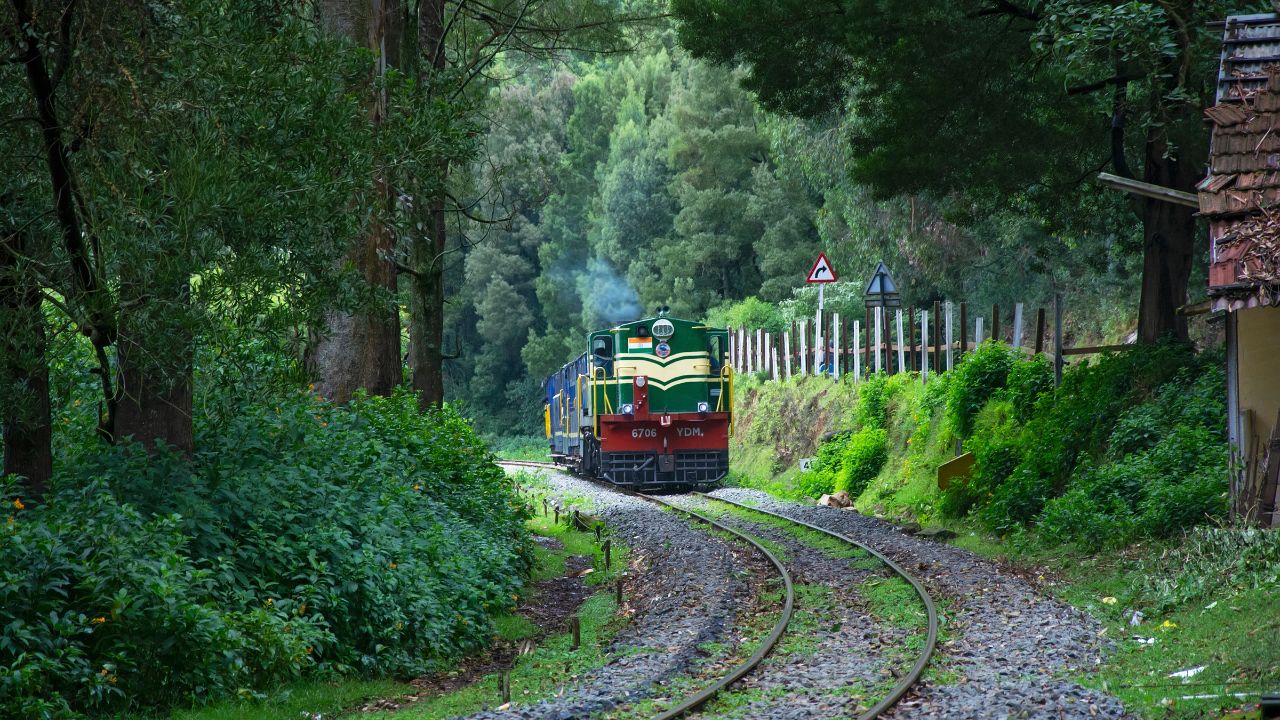
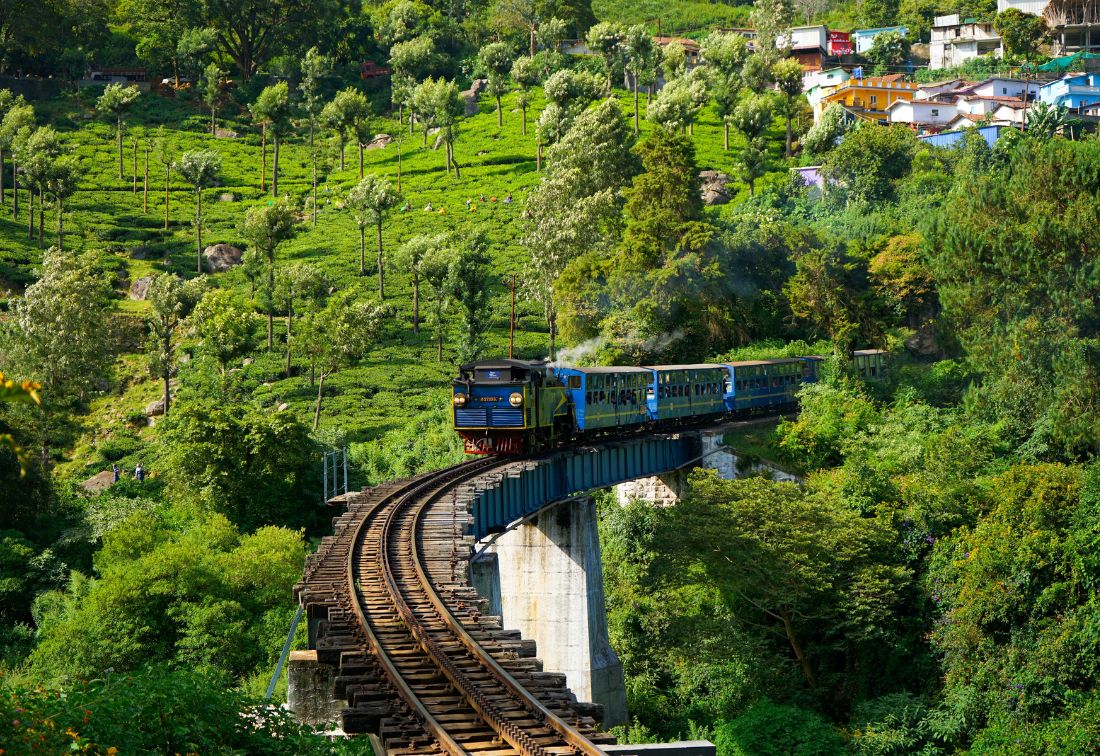
- Train to Mettupalayam, then the toy train: The Nilgiri Mountain Railway, a UNESCO-listed 1908 narrow-gauge line that climbs 46 km to Ooty via Coonoor through 208 curves and 16 tunnels.
Tip: Book the toy train on IRCTC well ahead; tickets disappear fast, especially April to June. There's no pantry car, so carry snacks and water. If you can't do the full run, book just the Coonoor-Ooty leg (about an hour)—it's the most scenic stretch, and it stops at Lovedale (we shall get to this one)
Getting around
Local buses connect Ooty, Coonoor, and Kotagiri frequently, from around Rs. 40 on government buses. Taxis via Savaari or MakeMyTrip are easy but pricier—Rs. 1,500-1,700 one way.
Local basics
Tamil and English are widely spoken; Badaga, the language of the Nilgiris' largest indigenous community, is common in Kotagiri's bazaar. Layers are non-negotiable; temperatures hover around 20°C even at peak summer and carry rain protection year-round, since the Western Ghats make their own weather. ATMs exist in all three towns but are unreliable near tea estates and trailheads, so carry cash.
Best time to visit
March-June is the peak season: warm days, good light, and the worst crowds at the famous spots—time those for dawn. July-September is monsoon: shola forests and tea estates are at their most vivid green, mist is thick enough to disappear into, but trails like Droog and Cairn Hill can get slippery or close. October-February is the best-kept secret: cool, clear, and quiet, especially in Kotagiri, which is warmer and drier than Ooty because the Doddabetta range shields it from the southwest monsoon. First-flush Nilgiri tea season begins in November.
Where to stay
Coonoor is the better base than Ooty—slower, greener, and a 20-30 minute drive from everything in this guide, including most of Kotagiri.
Heritage
Wallwood Garden, Coonoor: A 19th-century colonial bungalow run by Neemrana, set at a slightly higher altitude than central Coonoor with mist-draped gardens. The food is the real draw, especially for non-vegetarians; Nilgiri mutton curry, and regional pumpkin and prawn dishes. Rs. 8,000-14,000. Book well ahead.
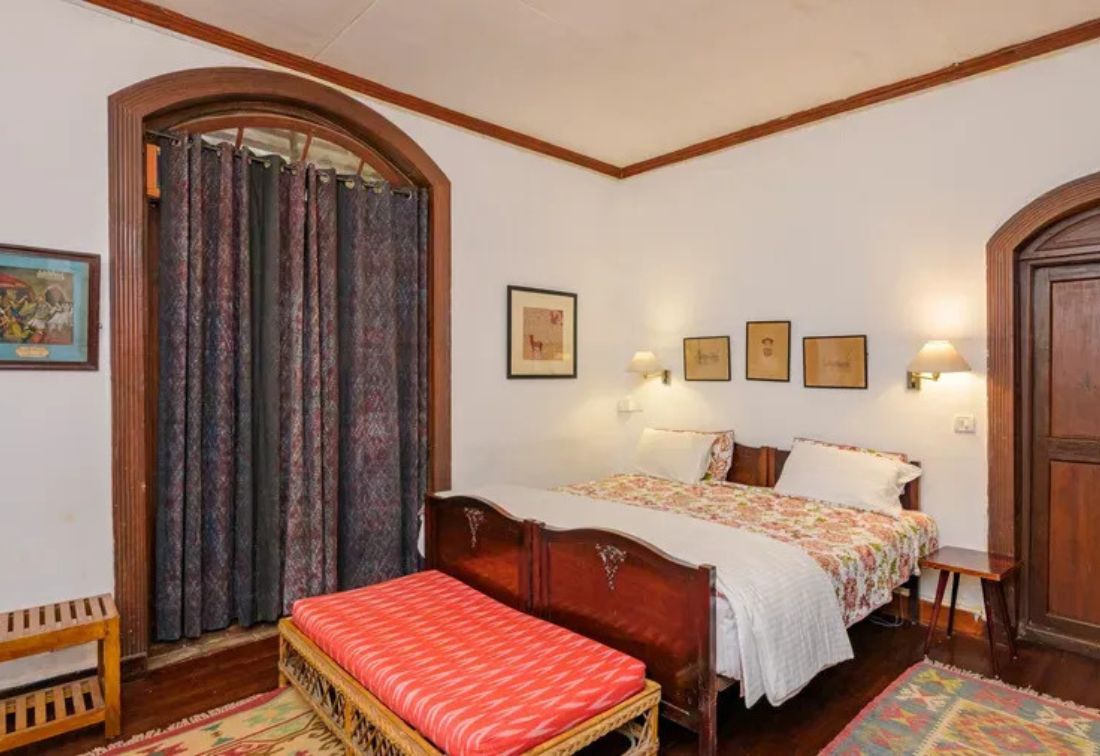
The Sanctuary (Tranquilitea), Coonoor: A working tea-estate bungalow with antique teak furniture, guided walks through the plantations, and in season the chance to go honey-hunting with the Kurumba community, who still climb cliff faces using techniques passed down for generations. From Rs. 15,000/couple—the closest you'll get to living inside an estate rather than visiting one.
Mid-Range
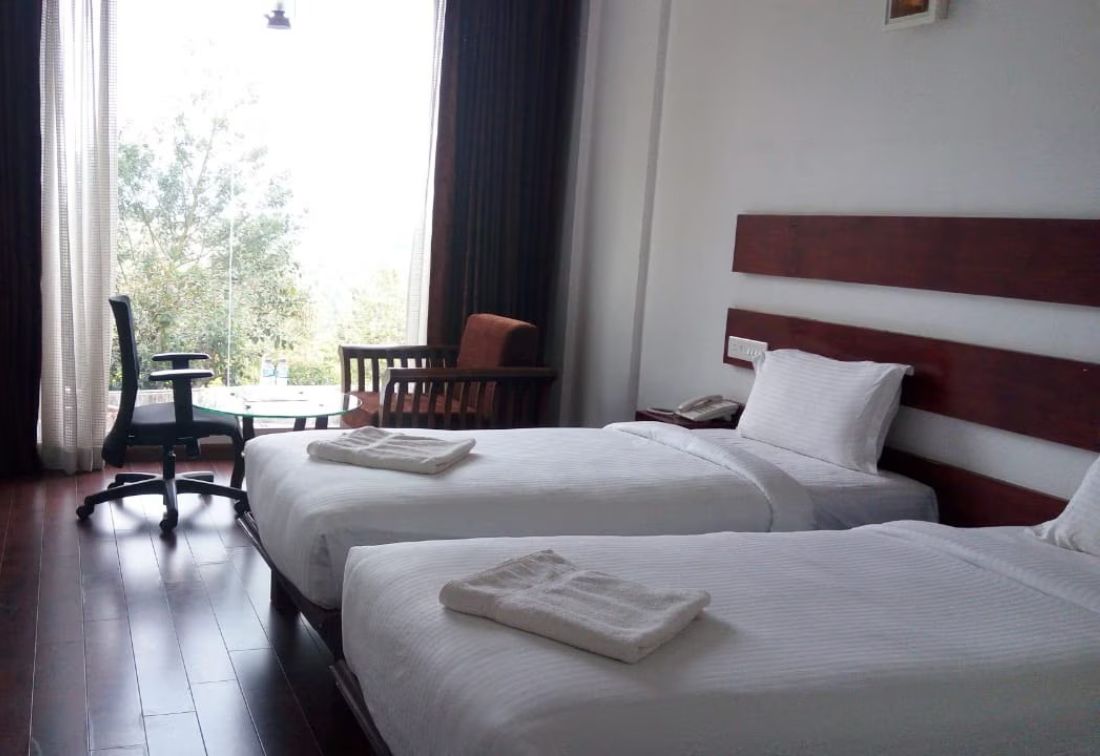
Tiger Hill Cottage, Coonoor (map): A remote homestay in the hills above Coonoor, with large rooms, wraparound balconies facing the valley, and home-cooked meals. Ask for a front room. Rs. 4,000-7,000.
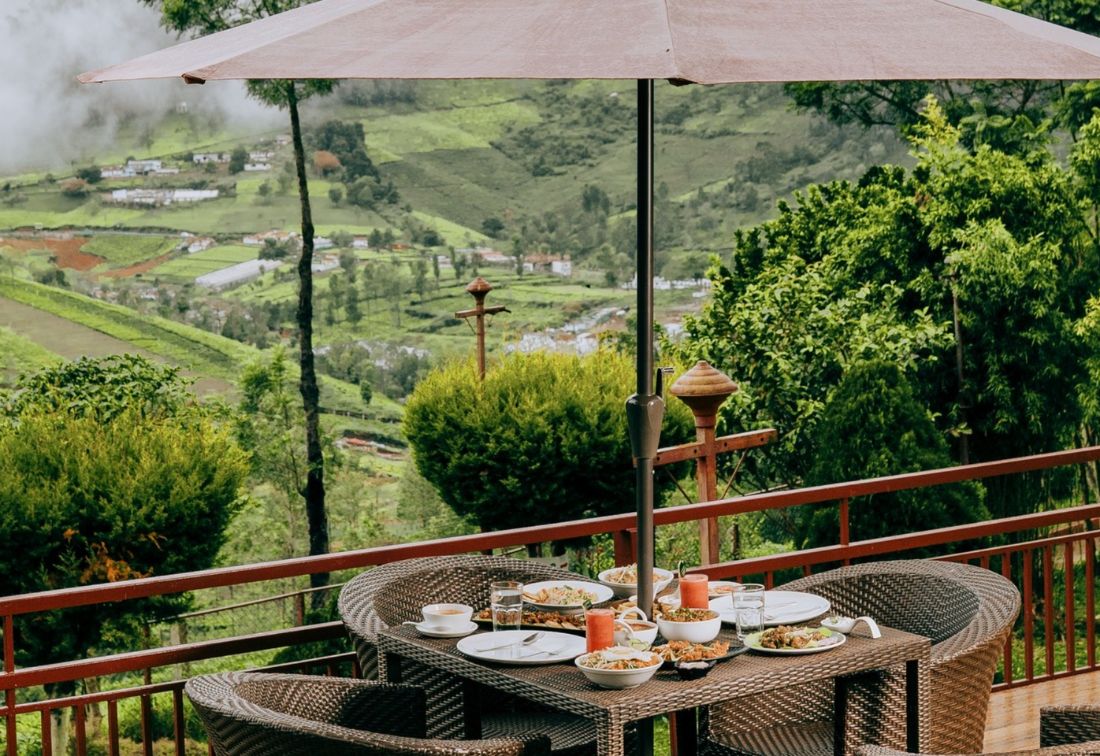
Orange Pekoe Leisure Hotel, Kotagiri: Simple, modern rooms with views over tea estates and the Nilgiri range, within walking distance of the Highfield Tea Factory and the Nilgiri Mountain Railway line. Rs. 3,000-5,000.
Budget & Homestays
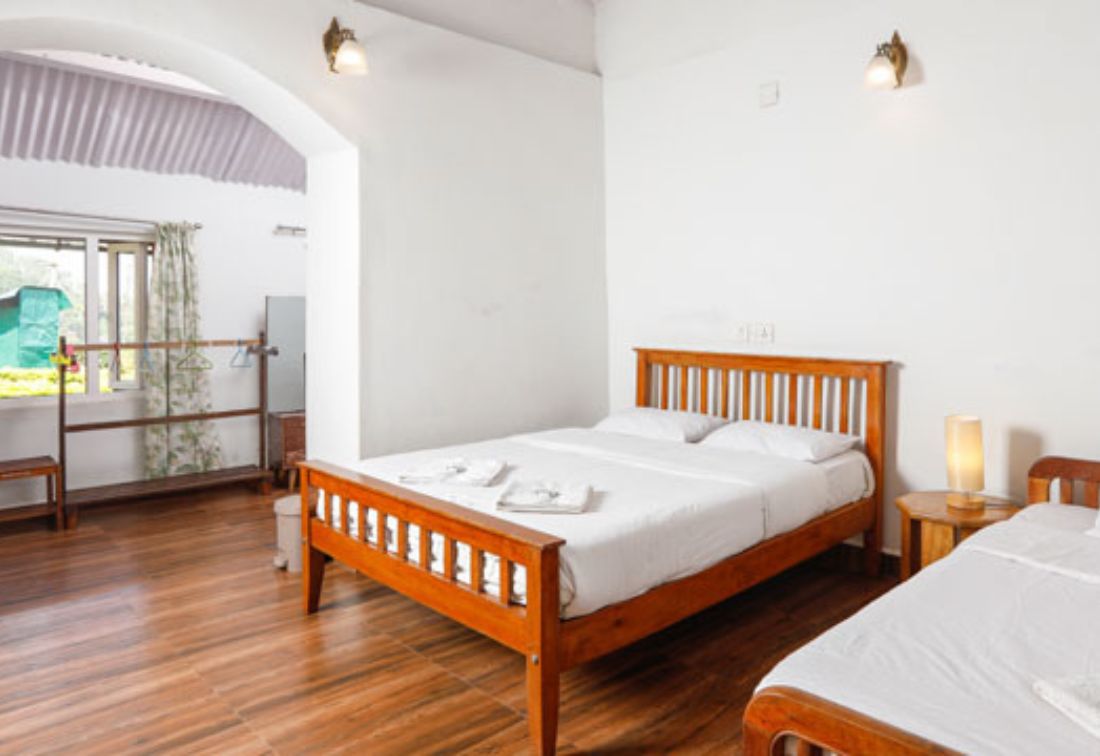
Charm of Nilgiris, Coonoor: A two-storey bungalow on a hilltop surrounded by tea gardens, with a stream running nearby. It is a smaller, family-run alternative to the bigger estate stays. Rs. 2,000-3,500.
Devashola Homestay, near Ooty: Set near Bison Valley, with views where you can occasionally spot gaur (Indian bison) from the property itself. It has buffet breakfasts, and hosts who'll map out routes for you. Rs. 2,500-4,000.
Now for some sightseeing...
In and around Coonoor
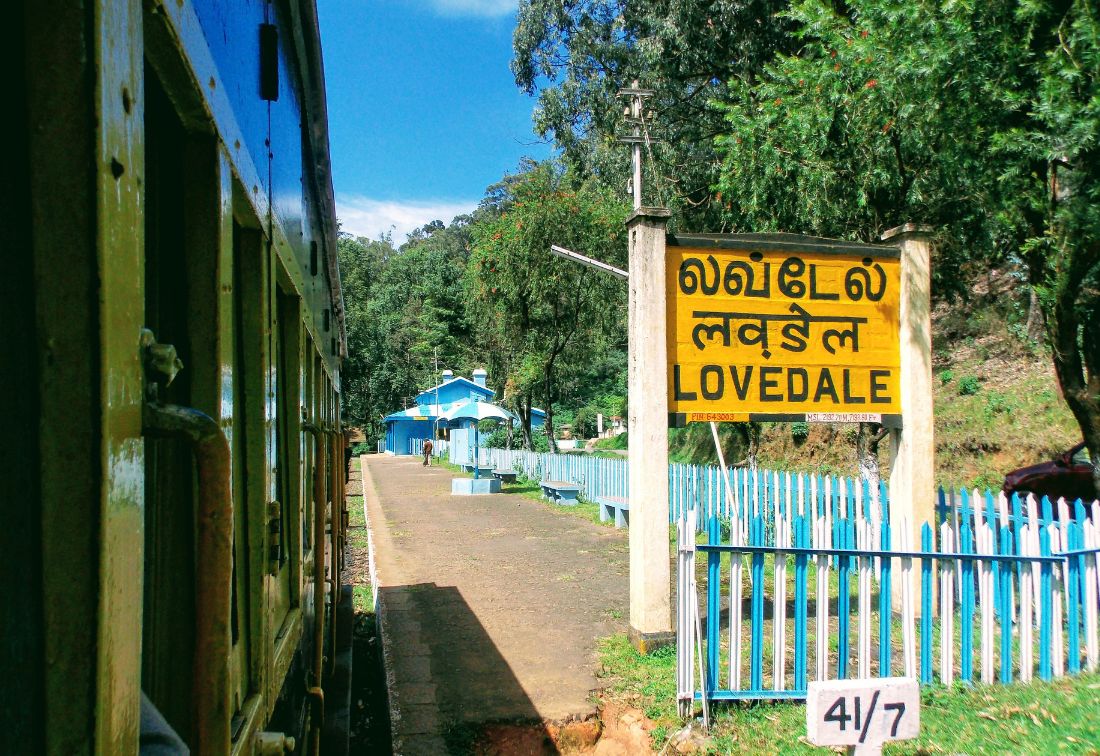
Lovedale Station (map): Most people sleep through this stop on the Coonoor-Ooty toy train. Lovedale is a request halt set in grounds so green they look art-directed, and home to the Lawrence School, founded in 1858. Even if you can't go inside, the lane running past its stone walls—slow, overhung, almost always empty—is worth getting off the train for 20 minutes.
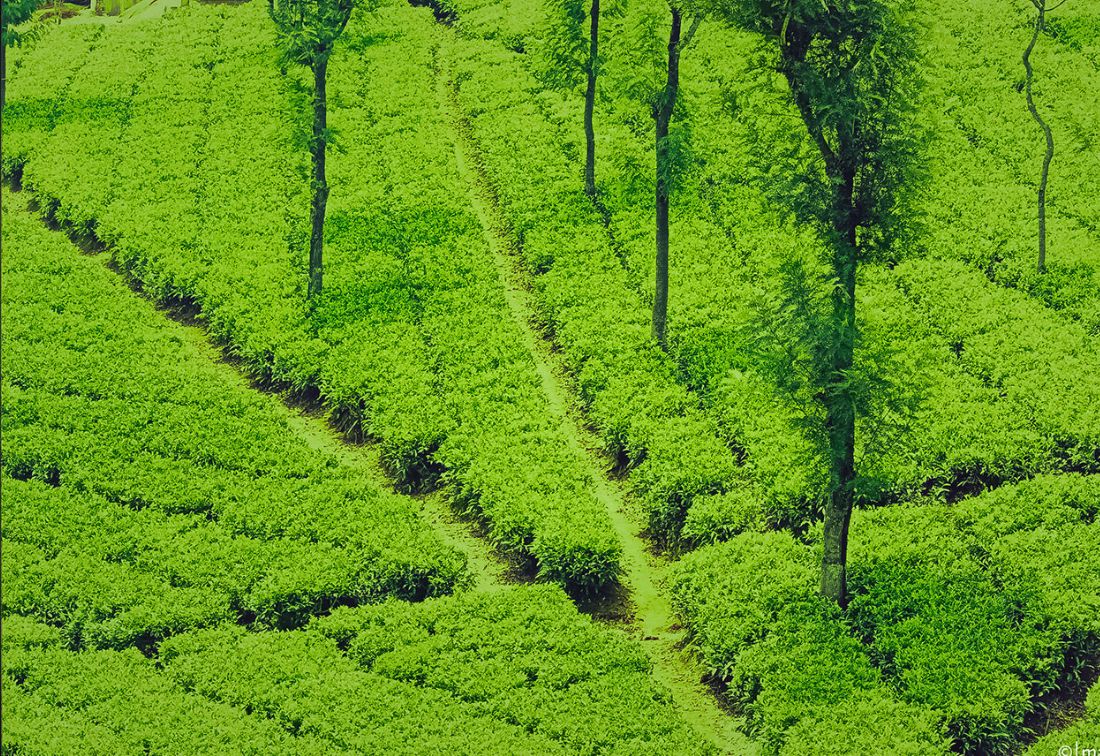
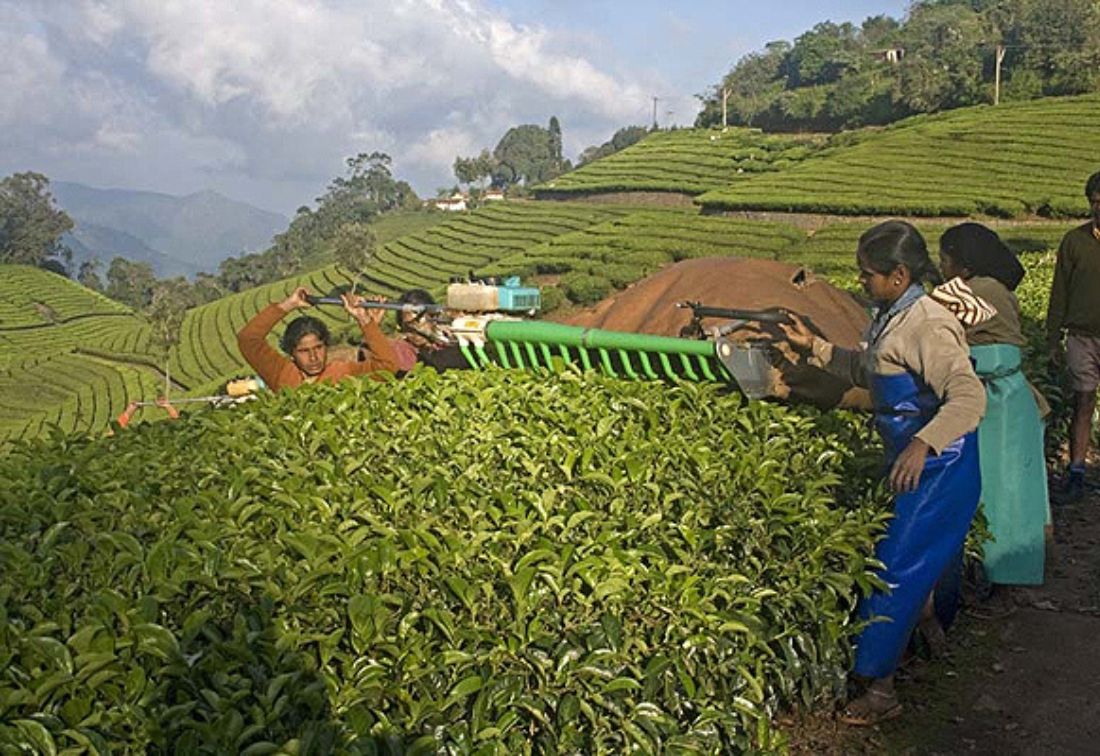
A working tea estate, no entry fee: Skip the "tea museum" experience. The roads winding out of Coonoor toward Kotagiri and Wellington run directly through working estates like Tiger Hill, Glendale (map), and Craigmore, and nobody stops you from walking them. No gate, no gift shop, just cut leaf drying in the air, the click of shears somewhere out of sight, and pickers moving through the rows when it drizzles. Go early, before the factory trucks start moving, and don't ask for a "tour"—just walk the estate road.
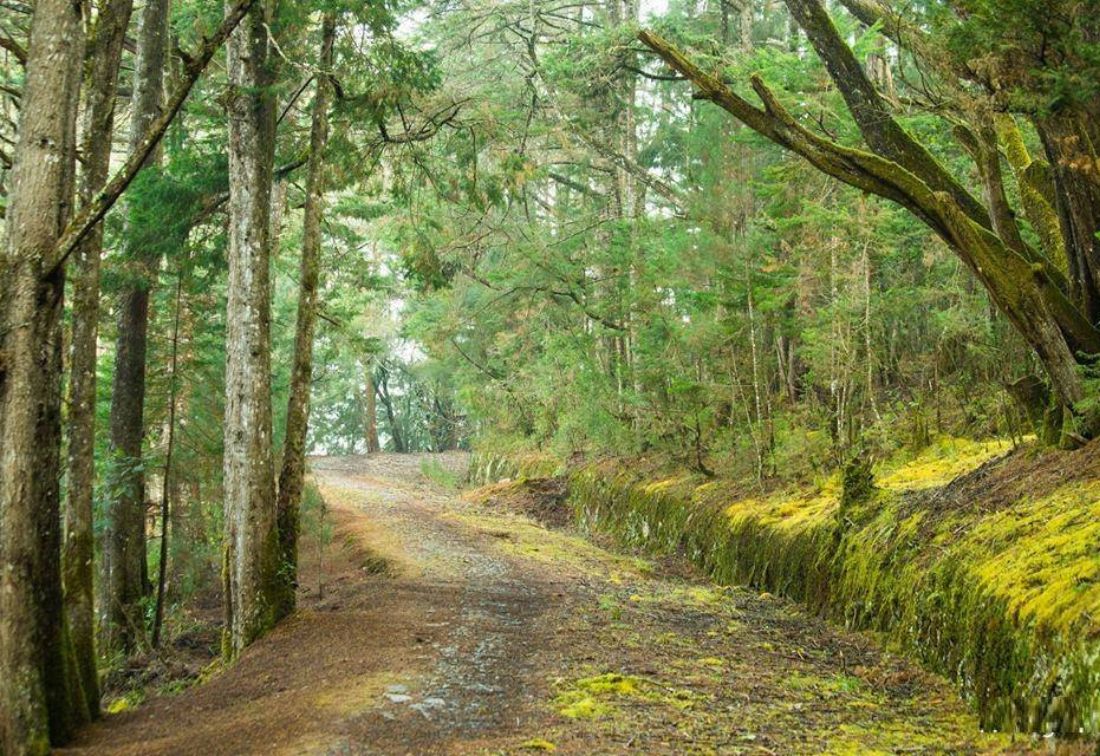
Droog Fort (map), via Nonsuch Tea Estate: Few people outside serious trekking circles have heard of Droog: a ruined two-storey watchtower, reputedly linked to Tipu Sultan, at the highest point in the area, with a near-360-degree view above the clouds. A motorable road gets you to the base of the hills, followed by a roughly 90-minute trek through Nonsuch—one of the oldest tea estates in the Nilgiris—marked only by white arrows painted on rocks. The fort itself is just a single wall now; the trek is the reward, not the destination. Turn off the Kotagiri-Coonoor road at Nonsuch and ask estate staff for the trail start—there's no signage from the main road, so always go with a guide.
Ooty—the half-day detour
Doddabetta: At 2,637 m and 10 km from Ooty, this is the highest point in the Nilgiris, and the single most crowded viewpoint in the district—but still worthwhile. Open 7 am-6 pm, Rs. 10 entry; visit before 10 am for clear views.
Cairn Hill: A 45-minute drive past Doddabetta brings you close to an unsignposted trail leading to Cairn Hill, named for the stone cairns British surveyors built here in the 1800s, several of which still stand. The walk gives you the Mysore plains on one side and the Nilgiri plateau on the other, without Doddabetta's crowds. A high-altitude footpath connects the two, but it's a slippery hike, so go with an experienced guide, and ask locally for the trailhead rather than relying on signage.
The Nilgiri Library: One of the oldest subscription libraries in India, dating to 1859—old maps, colonial-era records, a reading room basically untouched by time, in a red-ochre building with its own aged charm. Worth an hour if you like sitting in old rooms more than photographing them.
Kotagiri—give it the time it's owed
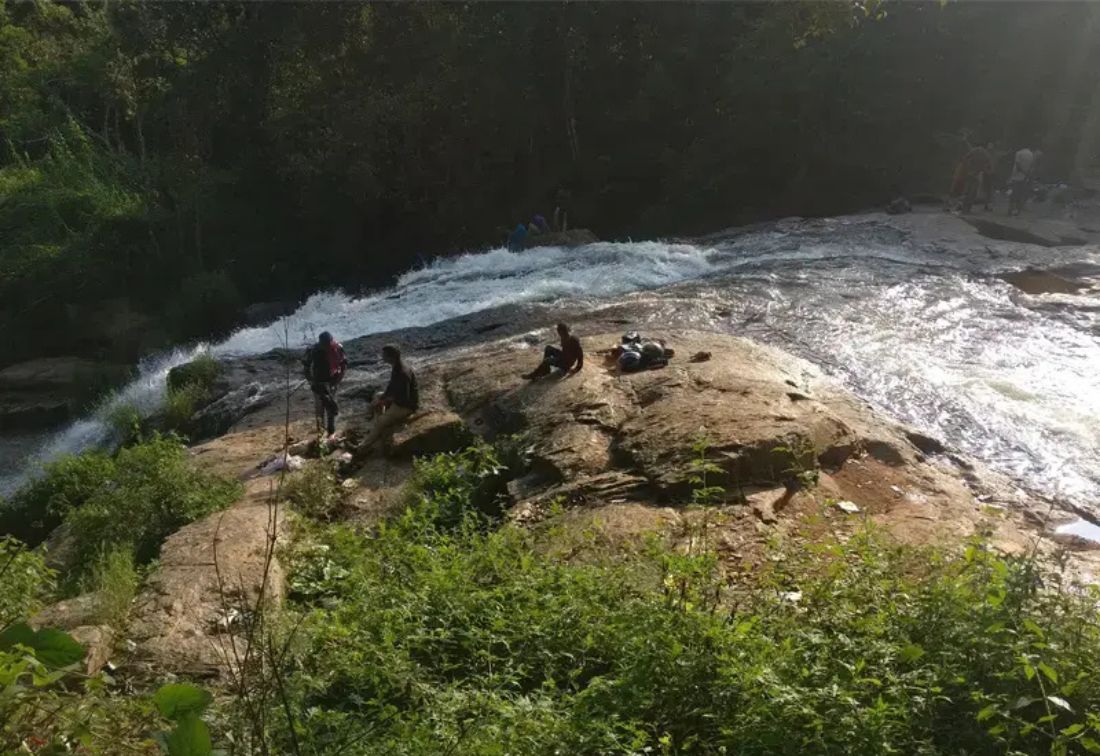
Kodanad Viewpoint (map) and Catherine Falls (map): Kodanad opens onto a sweeping panorama of the Moyar River valley and the eastern Nilgiris, with the Mysore plains visible on a clear day. Catherine Falls, on the way, is the second-highest waterfall in the Nilgiris at around 250 ft. Both draw far fewer crowds than Ooty's viewpoints.
Birdwatching with local naturalists: The Nilgiris are a serious birding destination: Nilgiri laughingthrush, Nilgiri flycatcher, black-and-orange flycatcher, all endemic or near-endemic to the shola forests. Kotagiri has a few well-regarded local naturalists who run early-morning walks. Ask your homestay to connect you; this is arranged in person, not booked online.
Retail therapy, Nilgiris-style...
The Nilgiris aren't a shoppers' paradise, but they're paradise enough even without the shopping. If you must buy something, let it be tea.
Skip the tourist-facing tea shops on the main roads in Ooty and Coonoor. Estates like Glendale, Chamraj, Thiashola (the oldest tea garden in the Nilgiris, established 1854), Craigmore, and Tiger Hill sell directly from their factory outlets—fresher stock, better prices, and you can often watch the processing on site.
What to buy: Orthodox whole-leaf Nilgiri tea; ask for first flush if visiting from November onward.
Tip: Nilgiri tea is sometimes called "the champagne of South Indian teas"—brisk and bright with a muscatel edge, best without milk.
Where and what to eat?
Coonoor
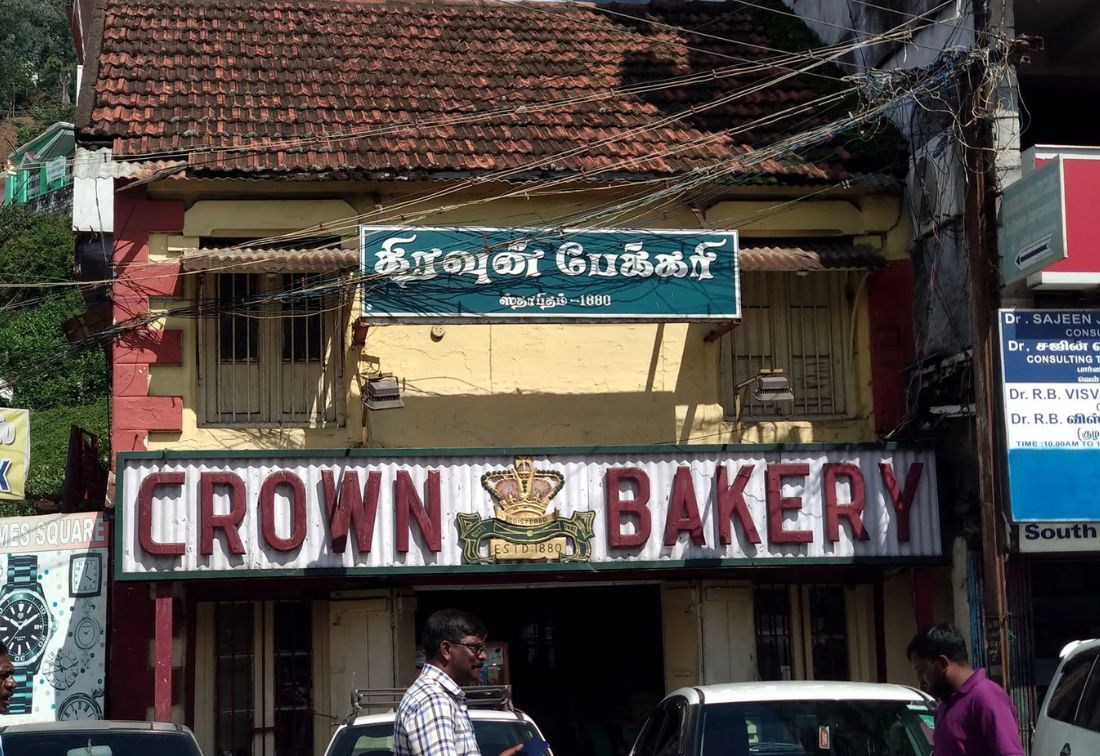
Varkey at Indian Bakery (map) or Crown Bakery (map), Coonoor main market: The Varkey, a layered, crisp biscuit, belongs on the list of things to eat before leaving the Nilgiris. Both bakeries are where locals actually shop: plum cake, coconut buns, fresh bread. Order: Varkey, plum cake, coconut buns.
Wellington Special Parotta at Hotel Ramchandra (map): A flaky, layered parotta stuffed with spiced minced mutton, a genuinely local dish that doesn't show up outside this stretch of the Nilgiris. Order: Wellington Special Parotta, with a side of Nilgiri tea.
Badaga thali at The Sanctuary (Tranquilitea), or ask around: Kattu saadham (mixed millet rice) and keerai masiyal (mashed greens) are hearty, simple dishes from the Nilgiris' largest indigenous community, rarely found on standard menus. Order: Kattu saadham, keerai masiyal, and any Nilgiri-style rajma or avare (field beans) preparation.
Ooty
Shinkow's (map): An old-school Chinese restaurant that's been running in Ooty for decades, started by a Chinese-origin family settled in the Nilgiris generations ago—genuinely Indian-Chinese food with an actual lineage, not a fusion gimmick.
Modern Stores: A long-running Ooty institution, part shop and part eating spot, known for homemade cheese, chocolates, and jams made on site. Touristy now, but only because it's been there since before "touristy" was a category. Don't miss the chocolates and fudge.

Kotagiri
Berrypackers (map): A small, local operation built around homemade preserves and jams—the kind of place that exists because someone's family has been making jam a certain way for years. Good for eating in or picking up jars to take home. Order: whatever jam or preserve is in season, paired with fresh bread.
*****
Takshi Mehta is a lifestyle writer and journalist with an enduring love for cricket, cinema, and culture. You can follow her on Instagram: @takshimehta
 souk picks