

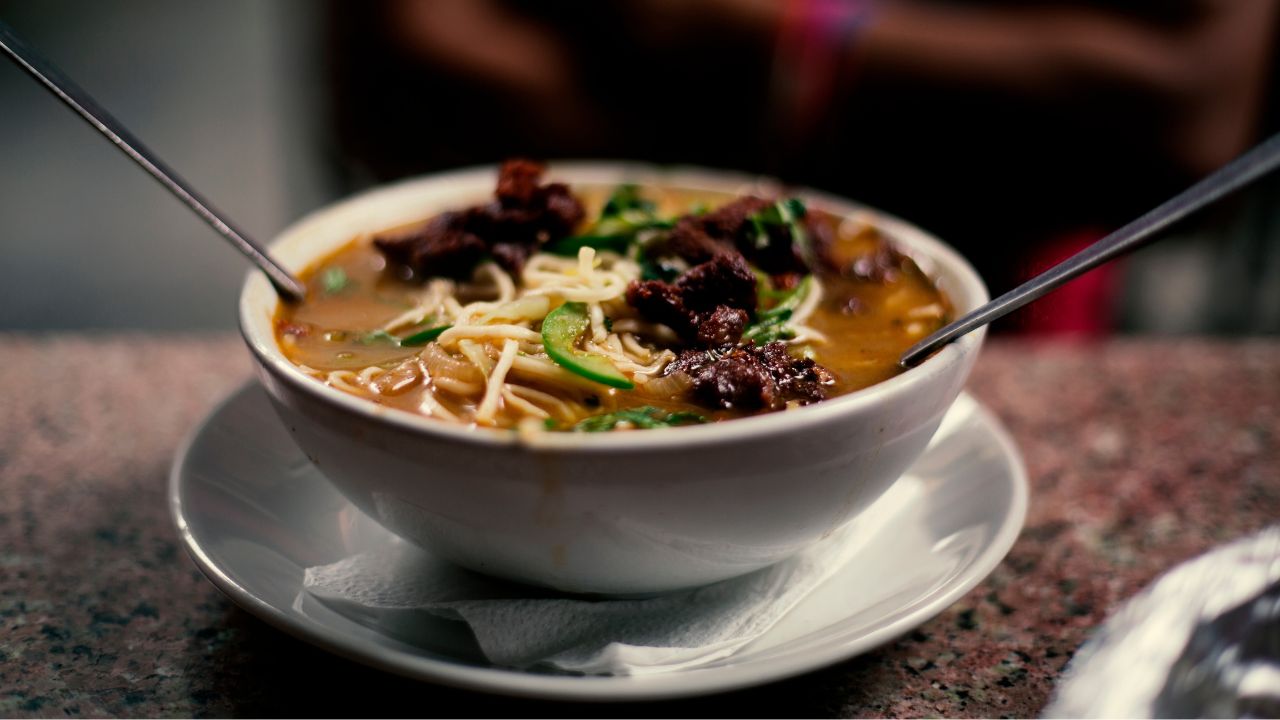
Nepali cuisine: The untold story
Editor’s note: Nepali food had, for far too long, been reduced to little more than the momo. But the Nepali diaspora (in India and beyond) has increased awareness and, indeed, curiosity about culinary delights such as the choila, yomari, or thakali meals, using social media and physical spaces. In our lead essay this week, Tina Das reports on the journey of this rich and diverse cuisine, which is now having its moment in the sun.
Written by: Tina Das
*****
Soon after Siwani Devkota Singh moved to Mumbai from Nepal in 2010, she found herself craving food from back home. Some nights, Singh—herself a content creator—would endlessly scroll through videos by other Nepali creators before eventually recreating those dishes and posting them on her Instagram page. Sharing those recipes became another way of preserving the memories from a home she had left behind as a teenager.
She had been a content creator for almost five years, but it was these stories about Nepali food and culture that struck a chord among her audience. Reels about crisp sel roti, titaura that puckered the mouth with its sweet-sour tang, and the rare treat of fried fish on long road trips began drawing millions of views. Today, she has a following of nearly 54k.
"My goal has never been just to share recipes. It’s to preserve memories, celebrate our culture, and show that every dish carries a story of family, identity, and home,” says Singh.
Singh is not alone. From Bengaluru to Kathmandu to San Francisco, a new generation of young Nepali creators are teaching the world about the food they once packed into lunchboxes and suitcases. Home cooks, restaurateurs, and content creators like Siddhartha Ghimire, Saurab Dhakal, and Kiran Lama Chotthen are posting videos and blogs about choila (grilled meat with spices), yomari (a kind of steamed dumpling), and thakali meals (traditional thali from Mustang). They’re explaining ingredients such as timur (a kind of sichuan pepper), jimbu (a herb), and gundruk (fermented leafy greens); and documenting recipes that, until recently, rarely travelled beyond the family. Recent books like Timmur: Stories and Flavours from Nepal by Prashanta Khanal and The Rana Cookbook: Recipes from the Palaces of Nepal by Rohini Rana have carried this culinary revival into print. Together, they are expanding a cuisine that, outside of Nepal, has long been reduced to a single dish: the momo.
The timing is no coincidence. As the pandemic pushed people indoors, streaming platforms and social media brought Korean dramas, culture and food into the living room. K-dramas and K-pop were already popular, but Netflix’s Squid Game transformed Korean cuisine into a global cultural phenomenon. The show’s depiction of foods like dalgona honeycomb candy, doshirak lunchboxes, and spicy tteokbokki turned Korean streetside staples into global culinary trends.
The ripple effects were visible in India. The dalgona coffee craze swept social media during the pandemic, while restaurants expanded their menus to include Korean dishes beyond ramen.
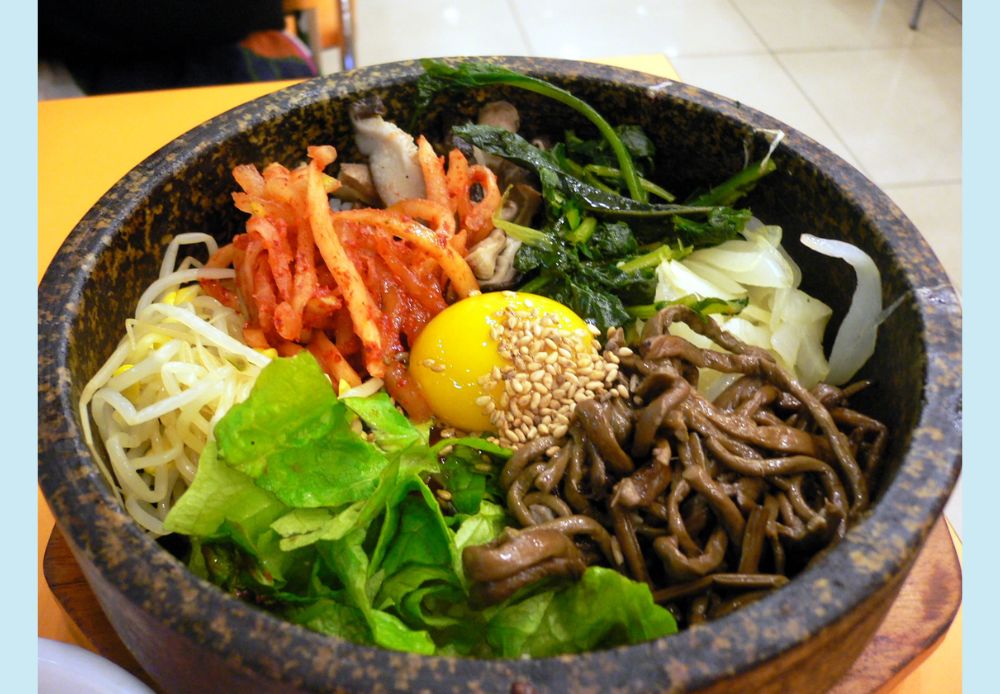 As Korean street foods from corn dogs and fried chicken to bibimbap and kimbap became mainstream, they reshaped Indian diners' willingness to experiment. The curiosity gradually extended to cuisines that had long existed in the country, including those from India's Northeast and neighbouring Nepal, but had remained on the margins.
Social media accelerated the shift. Food became part of the cultural conversation; discovering and documenting new dishes became as important as eating them. What began with younger audiences chasing food trends soon widened into a broader consumer base. Once confined to either premium eateries or street vendors, Korean food soon found a place on menus spanning budget cafes, casual dining chains, and upscale restaurants. As demand grew, restaurants began looking beyond Korean cuisine and those specialising in regional Asian cuisine proliferated across Indian cities.
Social media created the audience, but the algorithm was not the only reason why these stories were being told. For many Nepali creators, the impulse came from personal experiences of being migrants. Living away from home made ordinary meals feel heavy with nostalgia and social media simply gave that longing an audience.
The popularity of Nepali food among audiences has led to questions of appropriation, and sharing recipes purely for the sake of clicks and engagement. But Singh is confident the recent upsurge in the popularity of Nepali food is not just another trend. “Virality might introduce someone to a dish, but it doesn’t make them come back. People come back because they connect with the stories, the memories, and the culture behind the food,” she says.
Take, for instance, Ashmi Upadhyaya, a San Francisco-based engineer and Instagram content creator. She had spent nearly a decade trying to become as ‘American’ as possible. Memories of Dashain (the festival in Nepal), prayer flags, and daal-bhat were replaced—quickly and deliberately—by burgers, coffee, and English.
Upadhyaya is not the only Nepali immigrant who chose assimilation over self-expression when she moved abroad in pursuit of better work opportunities. Singh, too, had done the same once she started her studies in Delhi, before moving to Mumbai. But for her, racism was a factor as well. It was easier to ‘fit in’ than assert her own roots.
For Upadhyaya, the change from not being able to cook or eating American food to actively making Nepali classics was a gradual process. “I think that guilt, if that is the right word, is what inspired me to create content. It was never about the recipes, it was always the stories, memories, and traditions—good and bad—behind Nepali food. I hope to introduce people to our cuisine while helping the Nepali diaspora feel a little closer to home,” admits Upadhyaya.
Her journey in content creation began in San Francisco at potlucks and get-togethers with friends from across the subcontinent. Those gatherings eventually led to recipe videos and stories about Nepali food. The internet responded in comments that oscillated between ‘marry me’ to accusations of being a ‘whitewashed wannabe’, as she shared content documenting her life in the US along with sharing classic Nepali dishes. But it was the quieter messages that stayed with her: Nepalis who said they never thought a dish from their village would find a place on social media, and some discovering Nepal through its food for the very first time. From time to time, she introduces lesser known dishes as well, to tell a fuller story of Nepal.
The cuisine of many landscapes
To reduce Nepali food to only the momo is to flatten a remarkably diverse culinary landscape. In India, Nepali food was often mediated through the lives of working-class migrants who ran neighbourhood eateries or momo stalls. But menus included them under the category of ‘Himalayan food’, while diners came to equate an entire culinary tradition with dumplings.
Over the decades, migration for education, work, and military service led to the growth of Nepali communities across India.The Nepali-speaking population, which includes both migrants and Gorkhas, is concentrated across Sikkim, Darjeeling in West Bengal, and parts of Assam, Arunachal Pradesh, and Meghalaya, along with clusters in Himachal Pradesh and Uttarakhand. With them came eateries that sold Nepali food. Momo stalls in particular became fixtures outside colleges, markets, and office districts, while dishes such as thukpa and laphing found loyal consumers.
Yet these foods were rarely recognised as part of a broader Nepali culinary tradition. Momo was a street food staple in its own right, often grouped under a generic "Tibetan" or "Chinese" label, while other Nepali dishes remained largely invisible.
Like Indian cuisine, Nepali food is an umbrella rather than a monolith. It has been shaped by the twin forces of geography and migration. The mountains, hills, and Terai each have their own ingredients, techniques, and food traditions. The spicy sekuwa (meat in spicy marination) of Kathmandu valley, sukuti (dried red meat) of Limbu and Gurung, and the soups and stews of Himalayan communities speak of different landscapes, cultures, and histories. Rana’s book looks at the royal cuisine of Nepal, which was distinct in its use of specific ingredients fit for royal kitchens, like haas or duck sekuwa, and also showcased how royal families in India and Nepal would form marriage alliances. Khanal, on the other hand, curates recipes from many of Nepal’s ethnic communities, threading together the cuisine through its elements.
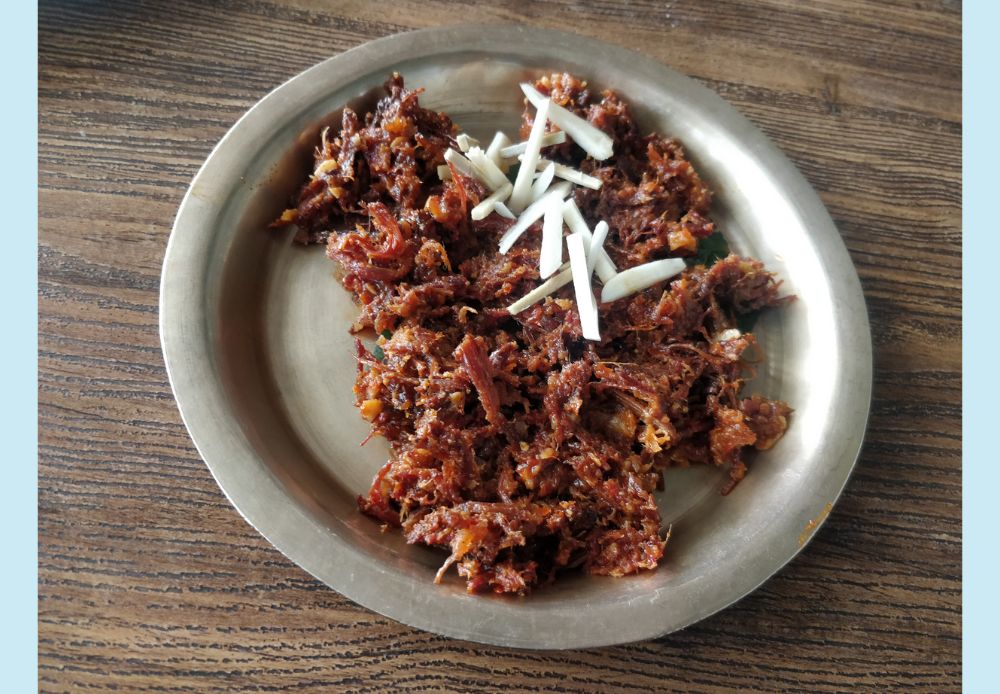 The reduction obscured a cuisine shaped by communities like the Newari, Thakali, Tamang, Sherpa, and Gurung to dozens of others whose cooking reflects vastly different landscapes, histories, and ways of life.
“Rather than thinking of Nepali food as just a few famous dishes, I'd encourage people to explore the everyday meals people cook at home, because that's where the real diversity of our cuisine shines,” says Phurba Sangay Sherpa, who runs a popular page called Mo: Moksang on Instagram, with 45.6k followers, and a small online business in Bengaluru selling Nepali pickles and dry prawn and bhatmas (soybean) condiments. Sherpa shares these recipes not for asserting the authenticity of a dish, but to convey the shared memories of eating food with family over laughter and stories in warm kitchens.
“Nepal,” says Upadhyaya, “as a country is very vegetable-forward. We eat a lot of greens, legumes, grains, and honestly some wild ass ingredients. We have amazing fermentation techniques, soups, and stews. Relishes and achar are made from everything imaginable, from koiralo (orchid tree blossoms) and banana blossoms to sprouted fenugreek, potatoes, and bitter melon.”
Movement across borders has further reshaped Nepali cuisine. Dishes evolve as people move, adapting to local tastes, ingredients, and memories. Even the ubiquitous momo changes across borders. In Nepal, it is almost always accompanied by momo masala, while across Darjeeling—home to one of India's largest Nepali-speaking populations—that masala is conspicuous by its absence. Packets of Wai Wai noodles sold in India come in different packaging from those sold in Nepal, while achar recipes are often toned down, using less timur or milder chillies to suit local palates. The debates that erupt online over the ‘right’ way to make chow mein or momo are, in many ways, less about authenticity than about ownership, memory, and belonging.
Beyond the screen
Beyond the online world, Nepali food is spreading across cities, one food outlet at a time. Nowhere is this shift in visibility more apparent than in Delhi. For decades, Nepali food existed largely in specific neighbourhoods like Majnu Ka Tilla. Today, Humayunpur has emerged as another culinary hub. Queues snake outside Lha Kitchen for sel roti-aloo dum, chicken choila, and various kinds of momo, while restaurants serving Nepali food have spread well beyond traditional migrant enclaves into Chattarpur, Noida, and Gurugram like The Lhasa Lounge, Yak and Yeti, and Cafe Lungta.
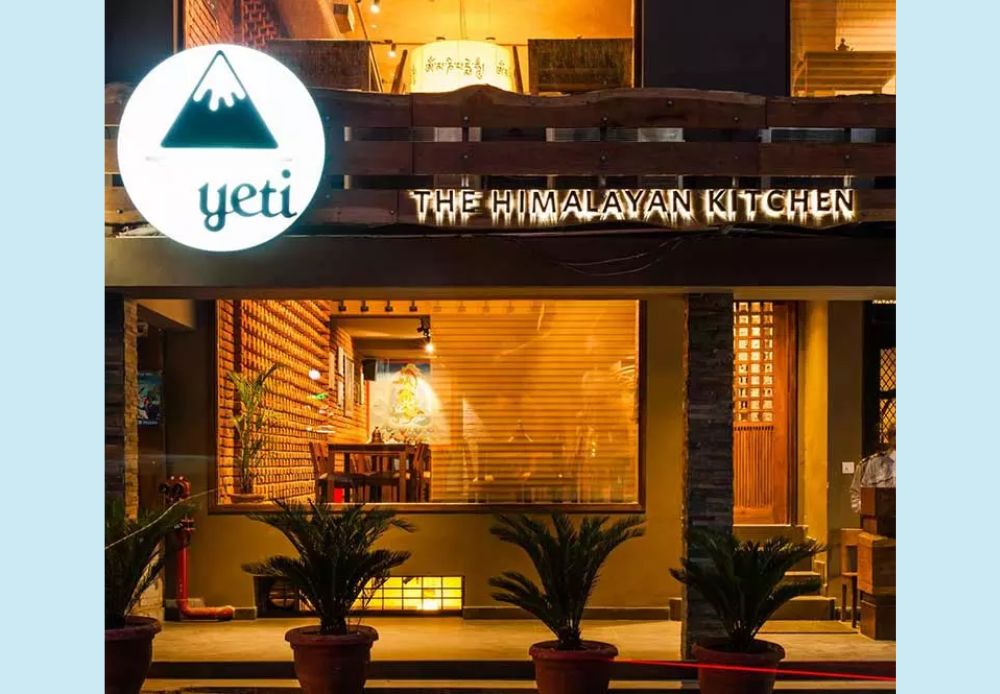 The change mirrors the city's own evolution. What was once sustained by communities cooking for themselves is increasingly being embraced by diners with no immediate connection to Nepal. Restaurants like Yeti, which opened its first outlet in Hauz Khas Village in 2011, were one of the early establishments to position Nepali cuisine beyond the neighbourhood eatery. A decade later, they are no longer exceptions but part of a culinary movement.
Nepalis have always travelled with food. Students crossing the open border into India or taking a long flight to countries like the USA or to the Middle East stuffed their bags with Wai Wai noodles, jars of achar, and packets of titaura. Families recreated familiar meals in rented apartments abroad, while potluck dinners became fixtures of university campuses and diaspora communities. But those meals remained largely private rituals. For decades, Nepali food was something carried in packed boxes rather than celebrated openly.
The visibility—or lack thereof—was never just about taste; it boiled down to whose stories get told and whose food is considered worthy of being named. What has changed is not the recipes but the confidence with which they are being shared. The meals that once sustained private memories are becoming public acts of storytelling, allowing a younger generation to proudly claim their cultural identity.
*****
Tina Das is a journalist with seven years of experience covering entertainment, lifestyle, and culture. She has worked with India Today and ThePrint.
 souk picks