
Dilli dilwalon ki: A culture guide
Editor’s note: December and January are really the perfect months to be in New Delhi. The famed ‘Dilli ki sardi’ sets in in earnest and the city’s many sights and sounds come alive during the end-of-year festivities, with the new year bringing a spirit of optimism. Picnics at Sunder Nursery or Nehru Park, book readings, plays, visits to the hundreds of historically significant monuments, cocktail nights at speakeasies, kebabs and tikkas in Old Delhi, momos in Majnu Ka Tila. It’s a wonderful time.
We asked culture critic, writer, and lifelong Delhiite (except for a brief study-and-job stint away), J Shruti, to help us navigate the historical and cultural heft of the city—from its famously sprawling parks to the monuments that are an extension of the city, rather than storied, pristine structures pitted against citizens. The immigrant food cultures and the food havens, both accessible and affordable. Second-hand book markets, candlelight concerts, art affairs, amidst all manner of cultural touchstones. Here’s her exceptional culture guide to New Delhi, a city accommodative in a way few others are.
Written by: J Shruti
*****
Here’s Shruti…
In search of a community of readers…
Lodhi Reads: Every Sunday, a band of readers get together in Lodhi garden in central Delhi between 10.30 am and 1.30 pm, and then read together in solitude. All are welcome, and are encouraged to bring their own mats.
The Bookshop Inc’s quarterly book club: The independent bookshop, with branches located in Lodhi Colony and Vasant Kunj, organises topical book clubs. Conducted by Swati Daftuar, who used to be a books correspondent for The Hindu, these meetups are all kinds of lovely and appetising with delicious food, pop culture digressions, and poignant conversations about writing, reading, and buying of literature.
Author events at Kunzum Books, The Bookshop, and Sunder Nursery: You can attend talks and discussions by authors who are speaking about their latest publication or their/body of work. A Suitable Agency organises these chats in Sunder Nursery (map) and spins them around a particular book release/theme. The Bookshop does these events around latest releases as well as anniversaries of canonical works of literature. Keep a look out for these on their Instagram pages.
Annual Book and Bake Sale: This event—organised by Swati Daftuar, Shashank Bhargava, and Smit Zaveri—is exactly what it sounds like. People sell their books at extremely affordable prices, and the proceeds are donated to a particular cause that's been chosen. Feel-good in every sense.
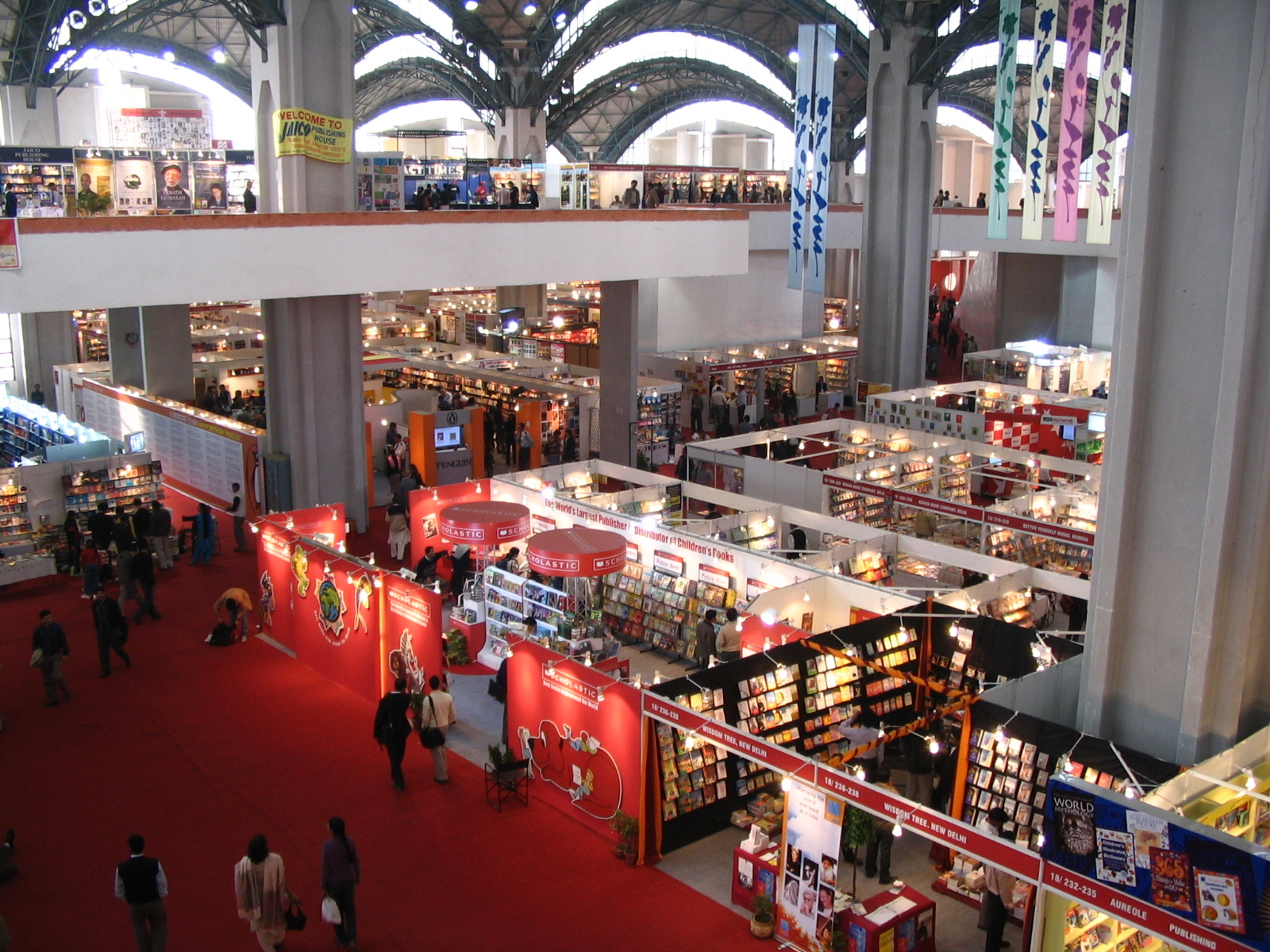
New Delhi World Book Fair: This annual event, which takes place at Bharat Mandapam (previously: Pragati Maidan), has been running for over 50 years. It’s one of India’s oldest book fairs, and is a staple among the reader community of the city. Commercial and indie publishers alike, authors, magazines, newspapers—they all gather here each year to showcase their titles and organise workshops and talks. It’s a thrilling—and indeed daunting—experience, with a huge number of stalls and constant activity. They offer great discounts, vintage editions, and even second-hand copies of books you won’t find across the many bookstores here.
 Labour Day at May Day Bookstore (map): This communist bookstore in Shadipur houses titles that are left-leaning, political, and radical. While the communist movement may not have quite the same juice it once had, May Day gives the conversation some momentum. And every year on May 1—International Labour Day—it hosts poetry readings, performances, and speeches, becoming a gathering space for folks who need an antidote to, and a community against, fascism.
Delhi Literature Festival: Held in February, the festival brings together authors, poets, publishers, critics from across the country to have dialogues on the literary landscape, reading trends, free speech and popular book titles of the year.
A space for cinephiles and indie connoisseurs…
Keep an eye out for private screenings of documentaries in cultural centres. Those don’t make their way to BookMyShow lists and are only likely to appear on the centre’s socials and website. Delhi might not have MAMI, but it does have its own days-long film festivals that bring both international and national indie titles in the same place.
National and international film festivals at India Habitat Centre (IHC) (map): Every year, the centre organises a national film festival, where it brings regional, independent films to the fore. In its international film festival, it brings movies that have been screened at Independent film festivals like Cannes and Sundance, with a mixed slate of indie and commercial films that will create buzz at the awards season.
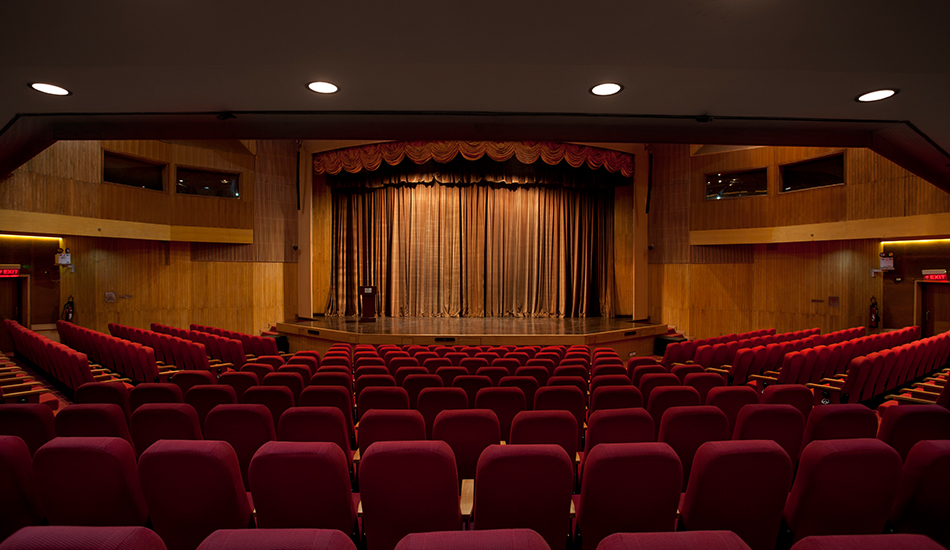 EUFF: The European Union Film Festival takes place across different venues within Delhi, most notably Alliance Française de Delhi (map), Italian Cultural Institute New Delhi (map), and the India Habitat Centre, and features Independent films of the last few years from across Europe.
Rock ’n’ roll, Dilli style
In the last few years, Delhi has seen a host of International artists come and perform in its concert venues (most recently: Akon and Tom Morello). In IHC and India International Centre’s (IIC) (map) events calendar, you are also likely to find European productions. Below is a non-exhaustive list of venues and events.
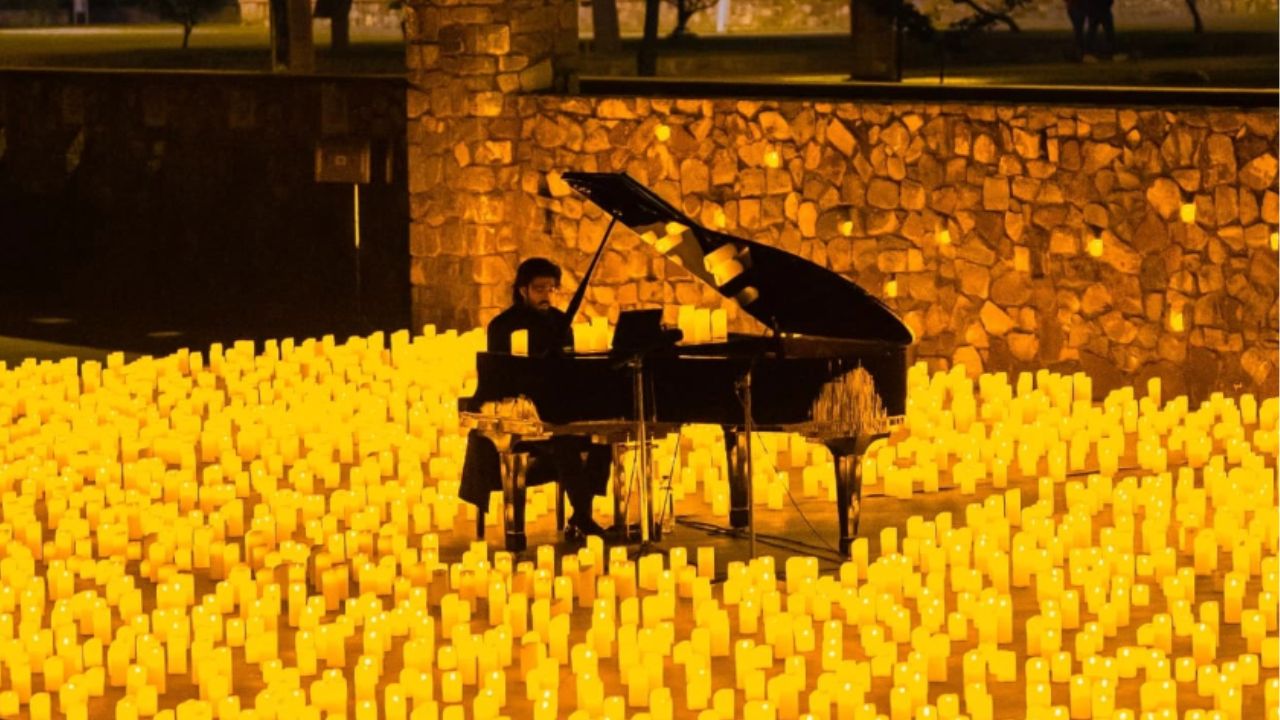
Candlelight concerts at Sunder Nursery: These have become a regular feature at the public nursery, and the music pays tribute to pop artists/bands such as ABBA, Arijit Singh, and Queen.
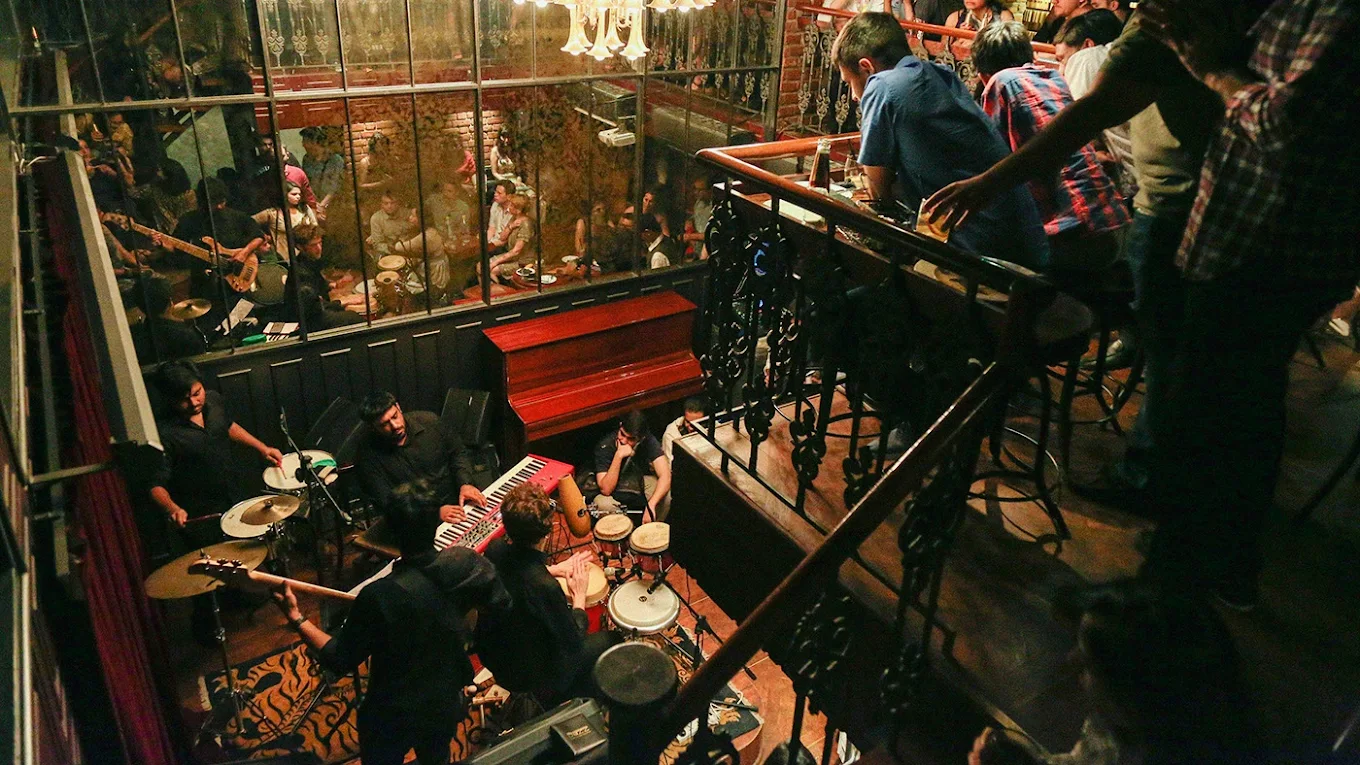
The Piano Man Jazz Club: This jazz club—with outlets situated in Safdarjung (map), Malviya Nagar (map), and 32nd Avenue in Gurgaon (map)—brings an eclectic collection of independent musicians—both domestic and international—to perform in its moodily lit space. This is a space made by and for musicians, so expect a curated line-up of artists on most evenings (check their website for listings) as well as exceptional sound quality. (The cocktails and food are a bonus.)
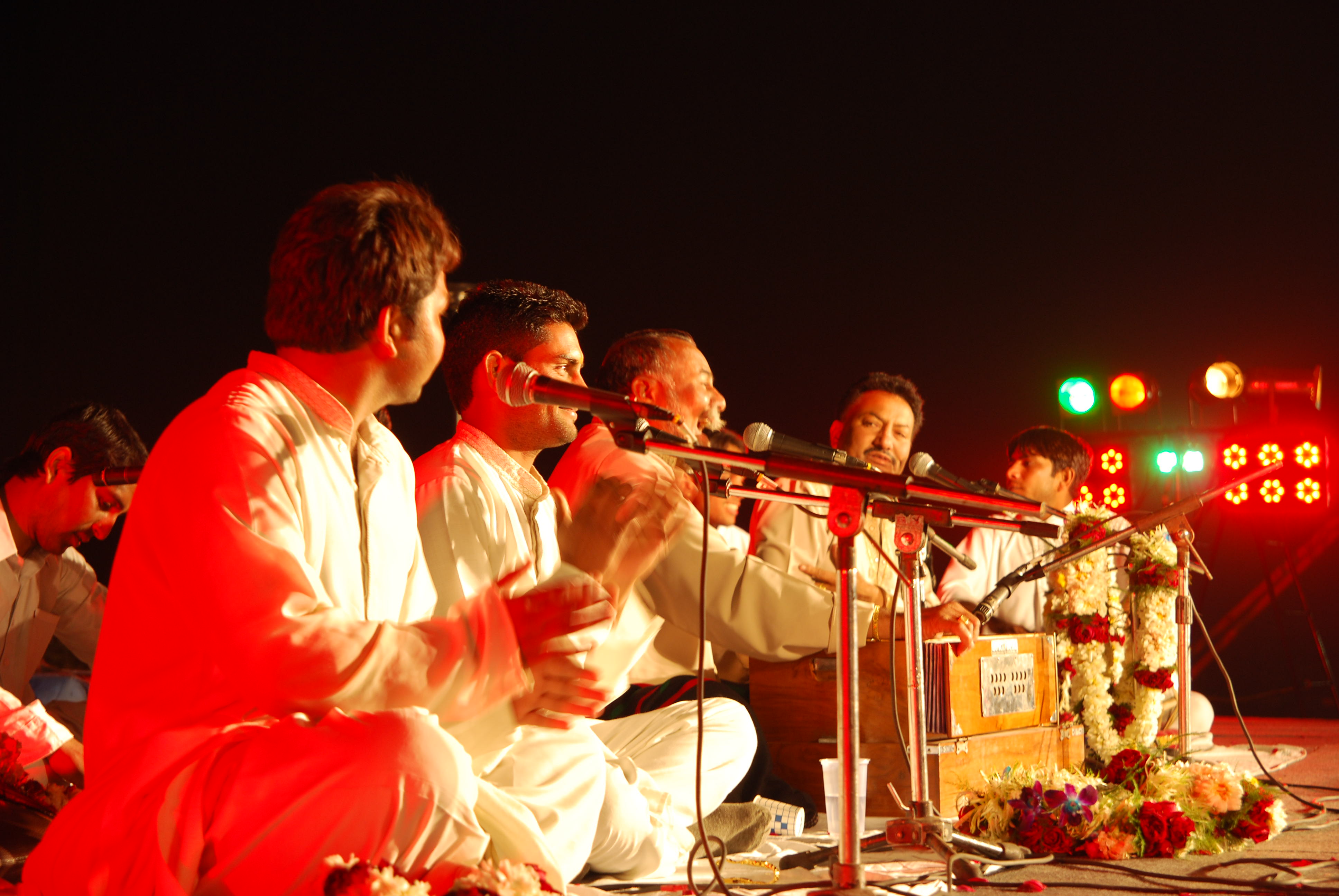
 Qutub Festival: This festival is held at the Qutub Minar complex during the winter, and presents a variety of Indian classical arts, including dancing, and music, like Kathak, Odissi, Bharatnatyam, Qawwalis, Ghazals, and more. Spread across five days, it is an initiative by Delhi Tourism Board.
 KNMA Music Festival: The KNMA Music Festival, which takes place at Sunder Nursery, is curated by a different artist each year—this year it was T M Krishna—and features performances from all over the country, across genres including folk, hip-hop, and experimental.
Pub gigs: The city has a spate of pubs and bars that will often host karaoke nights, performances by cover bands, as well as live performances by bands and DJs. Depot48 (map) is one; another, which has been a staple of Delhi’s live music scene for a while now, is Auro (map). For more ambitious open air gigs and contemporary art events, check out 1AQ (map), with lush green spaces and a stage decorated by a massive tree in the back.
Looking to explore the city’s formidable history?
Delhi, with its many historical pasts, is a dream city for sightseeing. The Lal Qila (map), Lodi Gardens, Lotus Temple (map), Humayun’s Tomb (map), Sunder Nursery, Qutub Minar, Nehru Park, Rashtrapati Bhawan, Akshardham Temple. There’s something for everyone—the city boasts a rich cultural, political, and architectural history. And while there are dozens of ways of making that journey into the city’s historic past, here’s a quick starter kit we think you should try.
Heritage walks by private companies and archaeology department:
There are various heritage walks around the city’s monuments and public parks. Options include Delhi Heritage Walks With Sohail Hashmi, Enroute Indian History, INTACH, Department of Archaeology. These generally range from Rs. 500-Rs. 1000, though there are some longer walks—with some extra perks—that can cost a little more.
Delhi Art Week: DAG (map), Latitude 28 (map), Vadehra Art Gallery (map), and Bikaner House (map) have all come together in the past to organise week-long quests of events, walkthrough, talks, and performances that make the history and heritage of the city accessible. The entry is free and on a registration basis.
 Humayun’s Tomb Museum: This newly established museum traces not just the history of the monument, but also the Sultanate dynasties of Delhi and, in some sense, the city’s relationship to architecture and power itself in a way that is incredibly accessible.
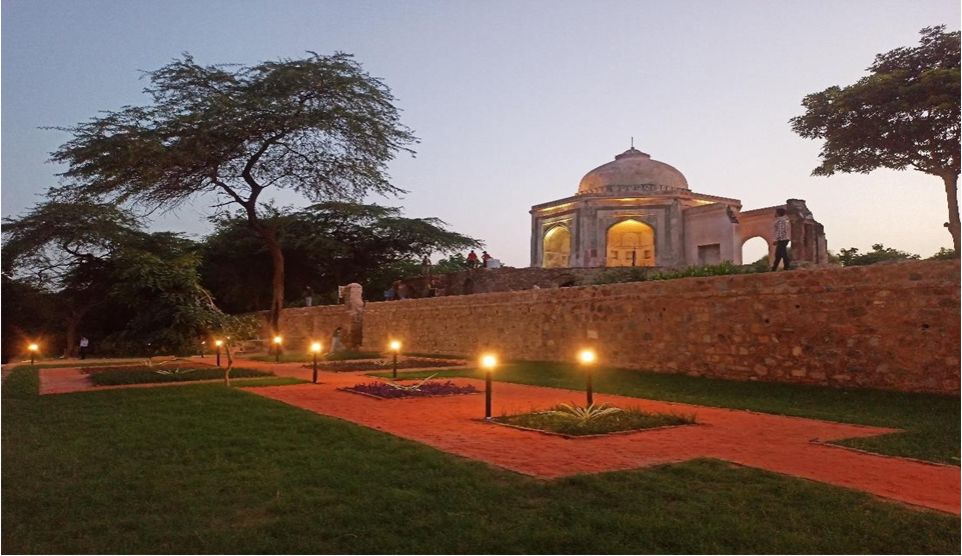
Recently restored Mehrauli Archaeological Park: The stunning restoration by Delhi Development Authority and Archaeological Survey of India has made the space available to the public again, with the government also organising history walks for residents.
A community of art enthusiasts…
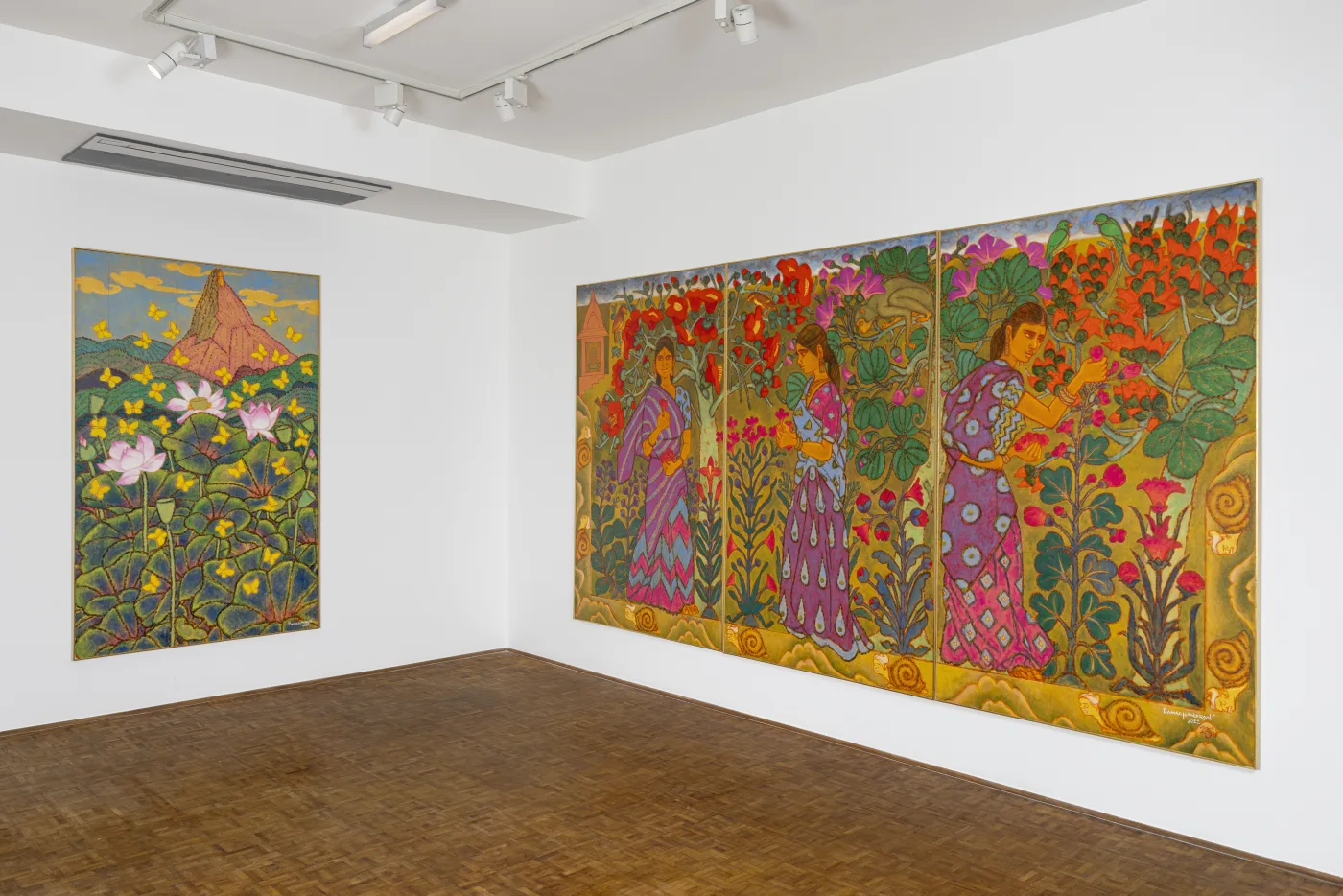
The map of Delhi is brimming with a catalogue of exceptional art galleries. Vadehra Art Gallery, Pristine Contemporary Art (map), Visual Arts Gallery at IHC, Massarat (by Bruno Art group) (map), DAG, Kiran Nadar Museum of Art (map)—they’re all easy bets to catch some stunning exhibits.
India Art Fair: The India Art Fair, one of the biggest events in the art calendar in the country, takes place at the NSIC Exhibition Grounds (map) in February each year. For 2026, the dates are February 5-8. The fair features contemporary art works sourced from across galleries in the country. In addition, there are also workshops, panels and educational initiatives, along with curatorial walkthroughs of the fair in both English and Hindi (which I recommend, because there is usually a wide variety of art on display, and the curator's perspective helps you understand—and better appreciate—how they flow into each other).
Curatorial Walkthroughs at Vadehra Art Gallery, KNMA (see below), DAG: Vadehra and DAG organise special walkthroughs where the curators take you through the current exhibit. At KNMA though, you can request a curatorial walkthrough at any time.
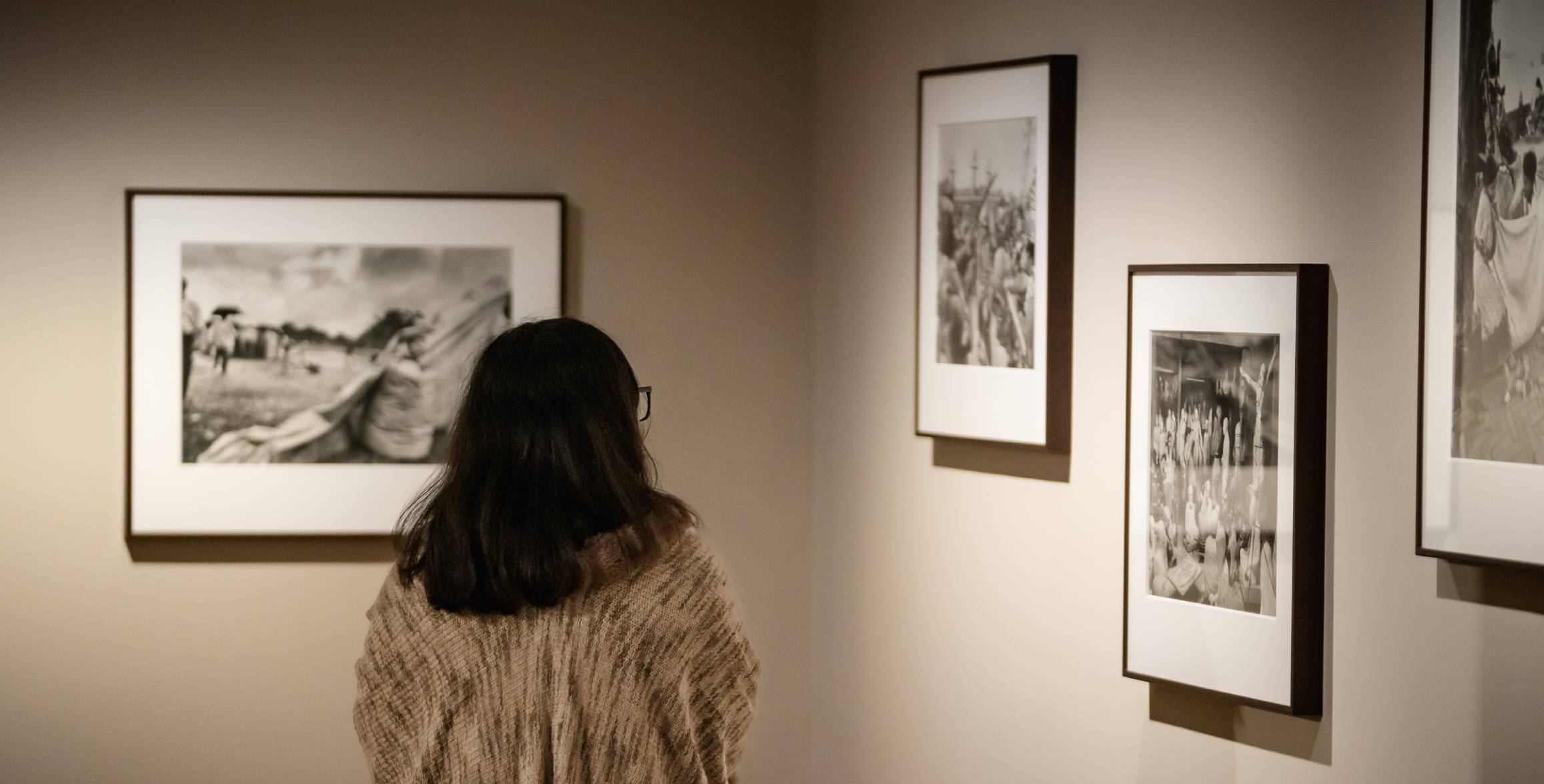 Workshops at KNMA: The art museum organises regular workshops to broaden people’s understanding of the great art that has emerged from India, and how famous works were created.
National Crafts Museum (map): One of the largest crafts museums in India, it frequently hosts exhibits that offer a glimpse into the country’s fashion, textile, crafts, and embroidery history.
India Design ID week: Also at the NSIC grounds in Okhla, the three-day event spotlights architecture and design. It features exquisite pieces sourced from across the globe for people to understand and ogle at, along with discussions,panels, as well as awards for innovative designs.
Contemporary Art Week: Multiple art galleries come together to display the contemporary art that has emerged out of South Asia, with Bikaner House being used as the venue for an immersive experience.
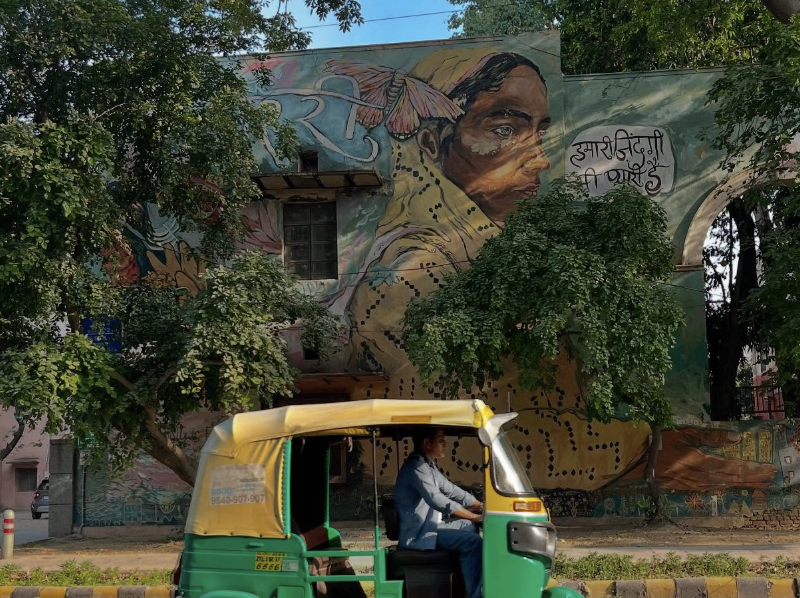
Public art on Lodhi Road: Created in collaboration with both Indian and International artists, Lodhi Art district is an open air art museum, with vibrant murals and installations as part of the not-for-profit project.
Unleash the theatre kid within you
Delhi has several performance venues including Kamani Auditorium (map), Shri Ram Centre of Performing Arts (map), Oddbird Theatre (map), and Stein Auditorium at IHC, all of which make space for theatre companies to showcase their productions. BookMyShow keeps a list of these upcoming plays if following them individually online and social media pages is tedious.
IHC Theater Festival: For a week every year, IHC showcases independent theatre productions from across the country. The curation is a list of contemporary plays, with a mix of established groups/actors, and emerging artists.
Delhi Theatre Festival: Renowned veterans including the likes of Shabana Azmi, Naseeruddin Shah, and Anupam Kher are regular fixtures at the famous Delhi Theatre Festival, which takes place at celebrated theatre venues such as Siri Fort (map) (see below) and Kamani Auditorium. The tickets are pricier than your average play—starting from Rs. 1,500.
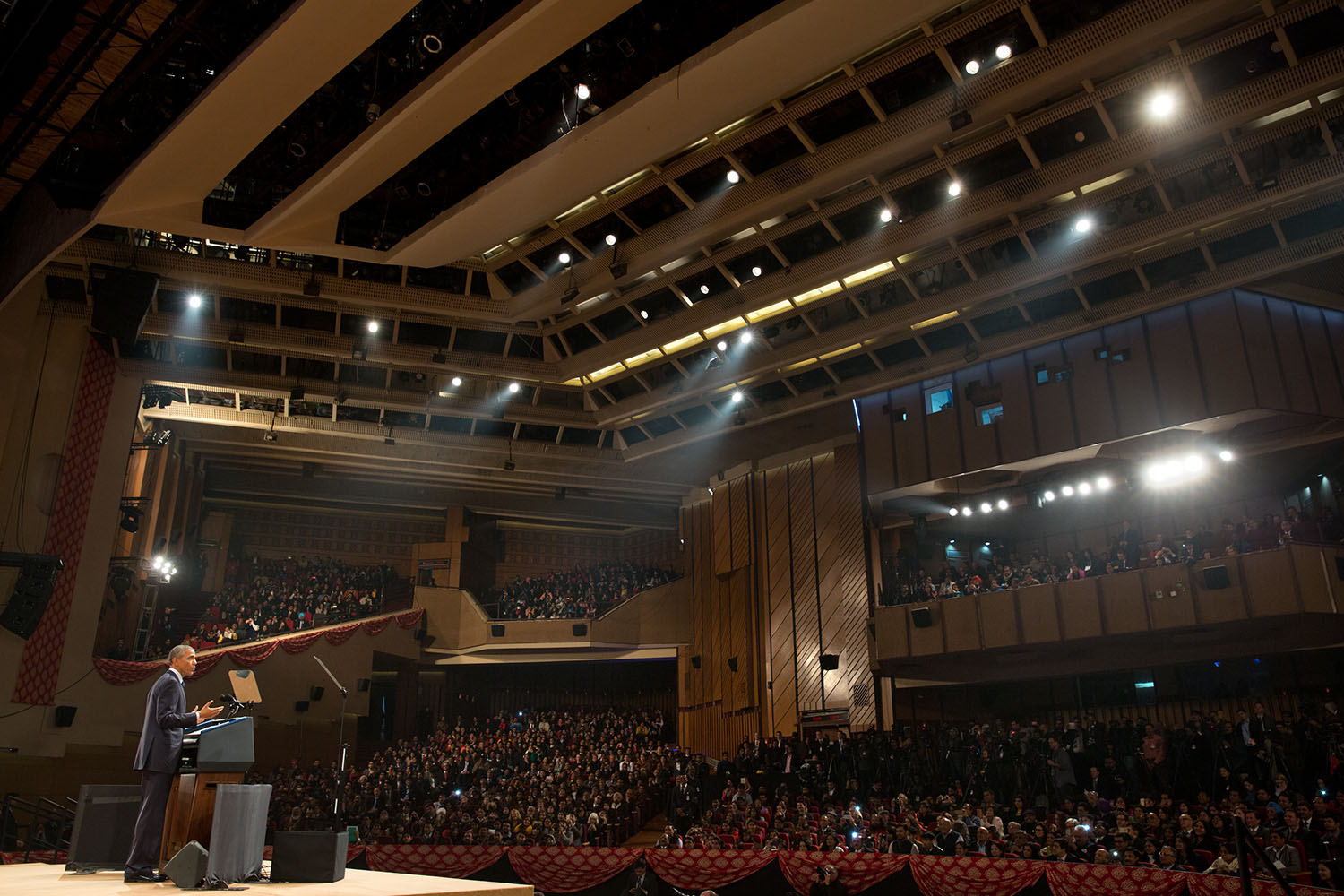 National Theatre Live: Every now and then, the India Habitat Centre (IHC) broadcasts live and recorded plays from the Royal National Theatre London. To name a couple of famous ones:‘Hamlet’, with Benedict Cumberbatch in the titular role in 2015, or ‘A Streetcar Named Desire’, with Gillian Anderson starring as Blanche DuBois in 2020. You can even watch these from the comfort of your home if you have a subscription. But watching on a bigger screen, alongside an enthusiastic audience, provides an immersive community experience—the closest sense of what it would be like to actually be there in person.
Time for a quick food walk
Do not consider the below suggestions as exhaustive, but only a nudge to explore the many nooks and bhawans that attest to the city’s diverse varieties of immigrant food and palettes.
South Indian: For your restaurant/cafe experience, there is Carnatic Cafe, Cafe Amudham, A2B (map), and Saravana Bhavan. I highly recommend going to state houses like the Kerala House (map) and Tamil Nadu House to experience authentic cuisine from the regions, including non-vegetarian options. Andhra Bhawan (map) too—as chaotic as it is, the buffet is scrumptious, spicy, and extremely pocket friendly.
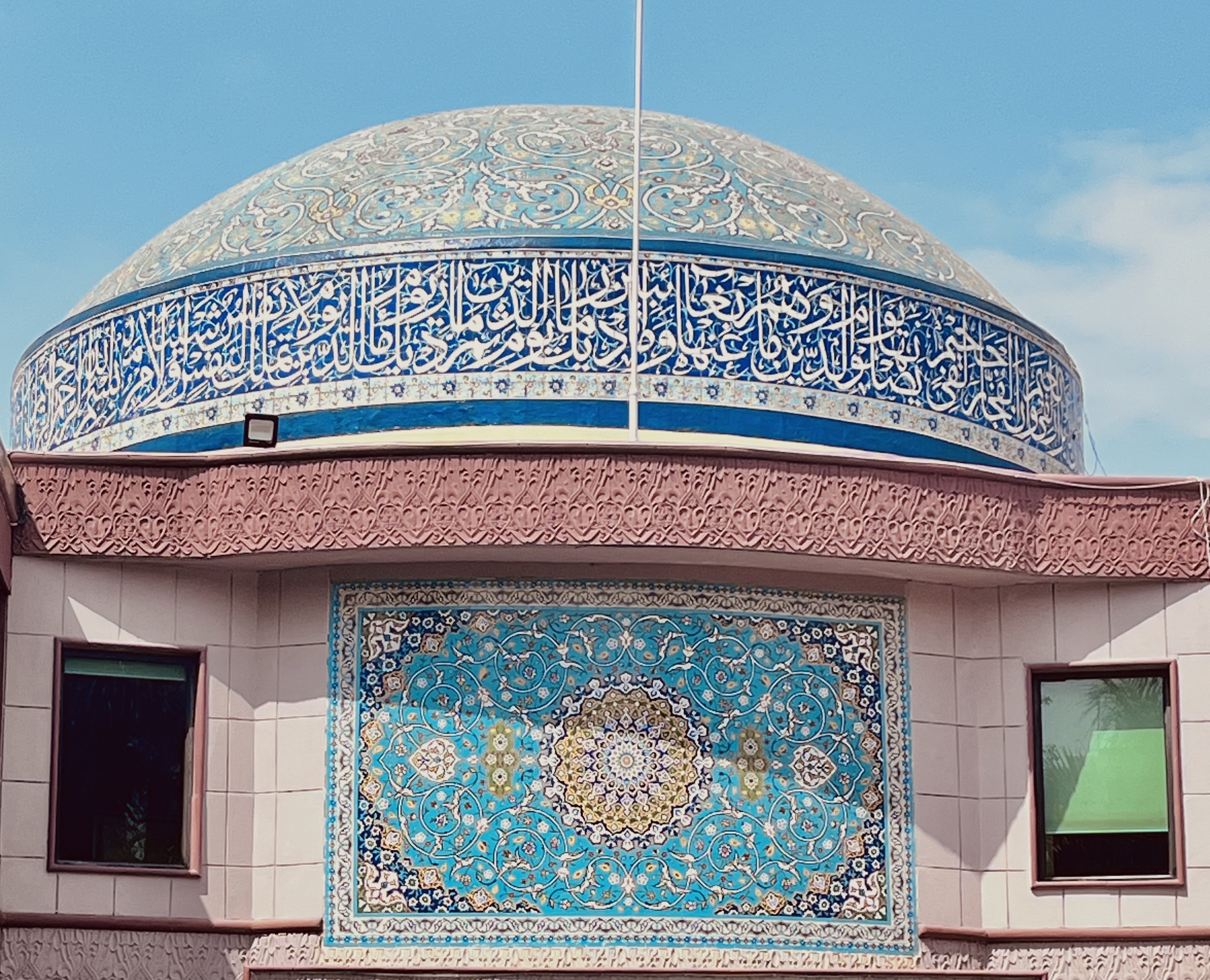
Karim’s (map) at Islamic Cultural Centre: Karim’s is an iconic food establishment, but as many residents would testify, the one in Old Delhi has lost its charm. The Karim’s inside the Islamic Cultural Centre (see below) on Lodhi Road, however, has maintained oodles of it. Not to mention the cultural centre itself is gorgeous.
 Northeastern and East Asian Food at Humayunpur: Humayunpur has become a revered food hub in the city over the past few years, with the diverse Northeastern cuisines on offer. Lha Kitchen (map), Lea Izakaya (map), Hornbill (map), Yo Tibet (map), Kori’s (map), Laphing Corner (map) are just a few of the places worth checking out here. Momos, laphing, different curries, meats, rice beer—there’s so much to try out here, so make it a long evening. It has the best the city has to offer in terms of letting specific subculture practices and food thrive, while offering all that at rates that are not heavy on your pocket.
Afghani Food at Lajpat Nagar: Due to the civil war in Afghanistan, many Afghans have migrated to Delhi, especially in the last few decades. The cuisine from the country has taken root here, with Afghan Darbar (map) and Kabul Delhi (map) in Lajpat Nagar being especially popular. Try their pulaos and lamb kebabs.
Bengali Market: Nathu’s Sweets (map) is a must try for pastries and mithais if you have a sweet tooth. And if you’re craving something savoury and ever so rich, try their chole bhature. Further, the market also boasts some amazing food and pani puri stalls.
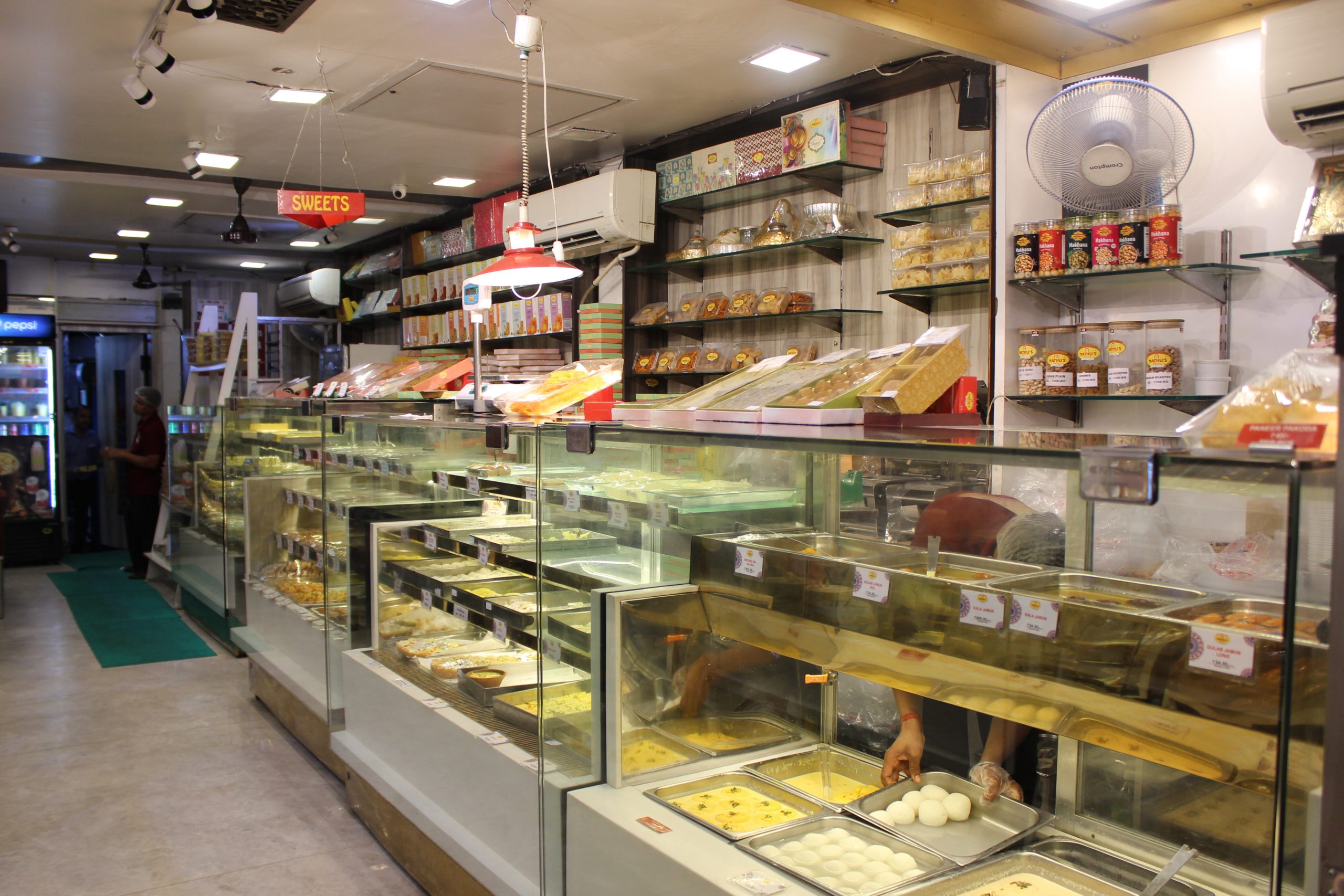 Street food in Chandni Chowk: There is a reason we lasso in Old Delhi whenever we think of street food, and it is not because great street food beyond Chandni Chowk doesn’t exist. But Old Delhi exists in a strange little pocket of time and, in some sense, remains immutable against the moving reality of the rest of the city. Whether it is Old Famous Jalebi Wala, Natraj Dahi Bhalla (map), Jung Bahadur Kachori Wala (map), or Shree Balaji Chaat Bhandaar (map)—these are all a testament to good taste as much as to endurance.
A taste of Delhi’s nightlife: Delhi’s bar culture can be bold and brash. There’s a coterie of speakeasies and cocktail bars that have cropped up in the city, including names such as No Vacancy (map), the very popular Sidecar (map), and Strangr. Speakeasies, too—often hidden in plain sight, behind cafes, theatres, vinyl stores—are becoming increasingly popular. They’re a softer, more intimate alternative. There’s Hoots (map), below the cafe Perch (map) in Vasant Vihar. Margaret’s Eye (map) (also Vasant Vihar) and SONO (GK-2) (map). Cocktails & Dreams (map) in Gurgaon, one of the OG speakeasies in Delhi-NCR.
If cocktails aren’t your jam, the city offers a few beer microbreweries—Effingut (map) has an outlet in Saket; try their Hefeweizen. BeeYoung Brewgarden (map) is a sprawling space with a fine collection of ales and lagers. For a more intimate experience, try Fort City (map) in Hauz Khas.
*****
J Shruti is a cultural critic and editor based in Delhi. She has previously worked as Senior Editor at Film Companion, and Associate Editor at Verve Magazine.
 souk picks