

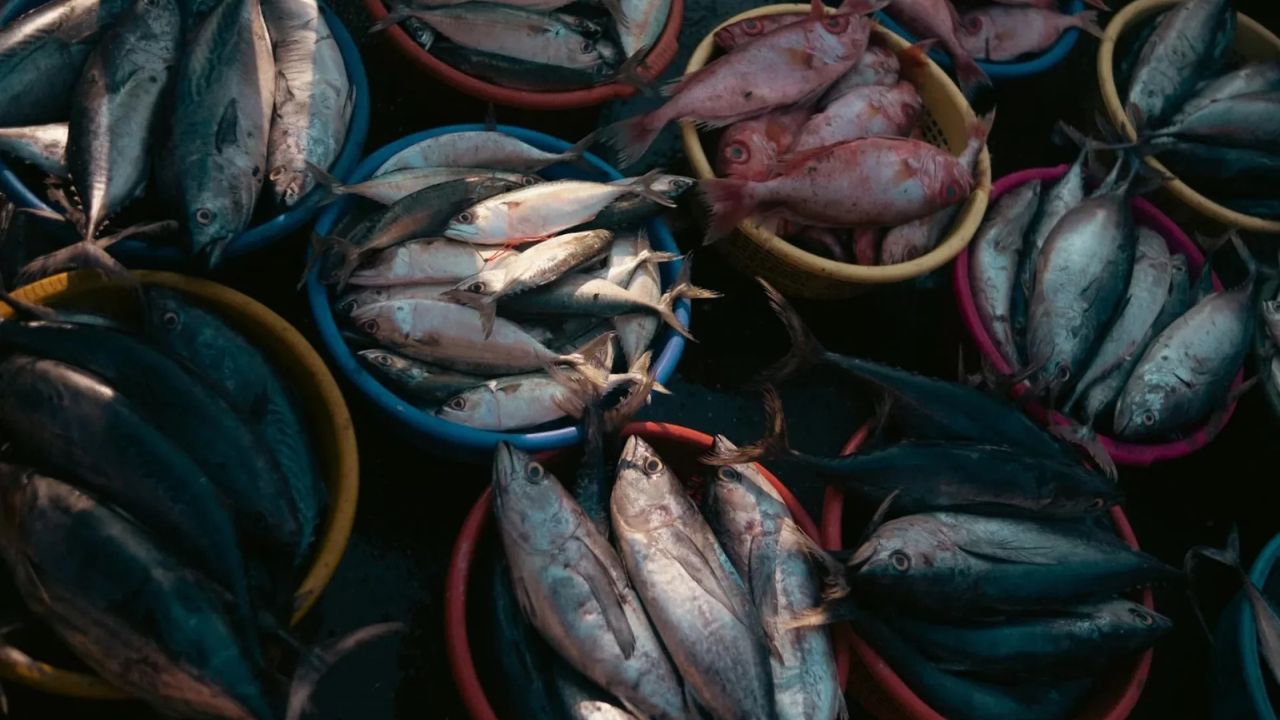
Fresh off the coast: A guide to seafood
Editor’s note: The Locavore, an initiative by Chef Thomas Zacharias (or ChefTZac), has a new book called Eating Against The Tide, which looks at Mumbai’s relationship with the vast sea through the lives of its Koli fishing communities. It’s part of the Mumbai Koli Project, a six-month-long storytelling and public engagement project.
Here, Chef Thomas writes about the fine details to keep an eye out for while buying seafood. The following excerpt from Eating Against the Tide: Stories, Recipes, and Research from Mumbai’s Coastline has been published with permission from The Lovacore.
*****
How to choose good fish anywhere in India
For anyone who cooks seafood, whether once a week or once a month, learning how to buy the right fish is the single most important skill you can develop. A scrumptious seafood dish begins long before you step into the kitchen. It starts with when the fish is caught, how it is handled, and the journey it makes before it reaches your hands. No recipe, technique, or innovation can redeem a fish that is stale. And yet, with the right fish, even the simplest preparation can taste extraordinary.
This guide distills what I’ve learnt from coastal cooks, fishers, markets, and professional kitchens in over two decades. It is a practical, sensory framework to choose better seafood, no matter where in India you live.
Fresh versus Frozen: What Chefs Actually Know
Most people assume fresh fish is always better, but true freshness depends entirely on how much time has passed since the fish is caught and how it’s handled, rather than whether it has been frozen or not.
A large part of the fish sold as “fresh” in most Indian cities comes from industrial trawlers that spend days at sea. These fish may sit on ice (or sometimes without adequate ice) for long stretches of time before reaching markets. In contrast, Koli and traditional fishers go out daily and fish near the shores. If you have access to a local landing centre or neighbourhood market where their catch comes in every morning, nothing compares.
Meanwhile, most frozen fish today are individually quick frozen (IQF) within hours of being caught. This locks in texture, flavour, and overall integrity far better than a fish that has slowly degraded over days in transit.
My rule of thumb: Choose truly fresh fish only if you live near the coast or know your source well. Otherwise, a high-quality frozen product from a reliable company is often the smarter, safer choice.
“Fresh” is not a label, it’s a timeline. And the closer you are to the moment the fish leaves the water, the better it will taste.
ChefTZac’s Sensory Tests
Whole Fresh Fish
Buying whole fish becomes instinctive once you train your senses; use your nose, hands, and eyes. If you follow these checks consistently and observe how the fish tastes once cooked, your intuition will sharpen quickly. This is a skill anyone can build.
Smell (the most reliable test)
Fresh fish should smell very faintly of clean seawater—mineral, neutral, almost sweet. It should never smell unpleasant. Get your nose close to the fish, right up against the belly or even the gills. If you detect sourness, ammonia, or strong “fishiness,” walk away immediately.
Touch (the second-best indicator)
Press the flesh gently. Fresh fish springs back almost instantly. Soft, mushy flesh that leaves an indentation means the fish has deteriorated. Extremely fresh fish (a few hours old) may have a thin, clear, slippery film on the skin. This is good.
Eyes (useful, but not the most reliable)
Clear, bright, glossy, slightly bulging eyes are a good sign. Cloudy or sunken eyes usually mean age, but this can vary depending on the species and its handling, so don’t rely solely on this.
Gills (a supportive check)
Lift the gill flap. Fresh gills should be bright red or deep pink, moist, and clean. Brown, grey, or slimy gills indicate the fish is stale.
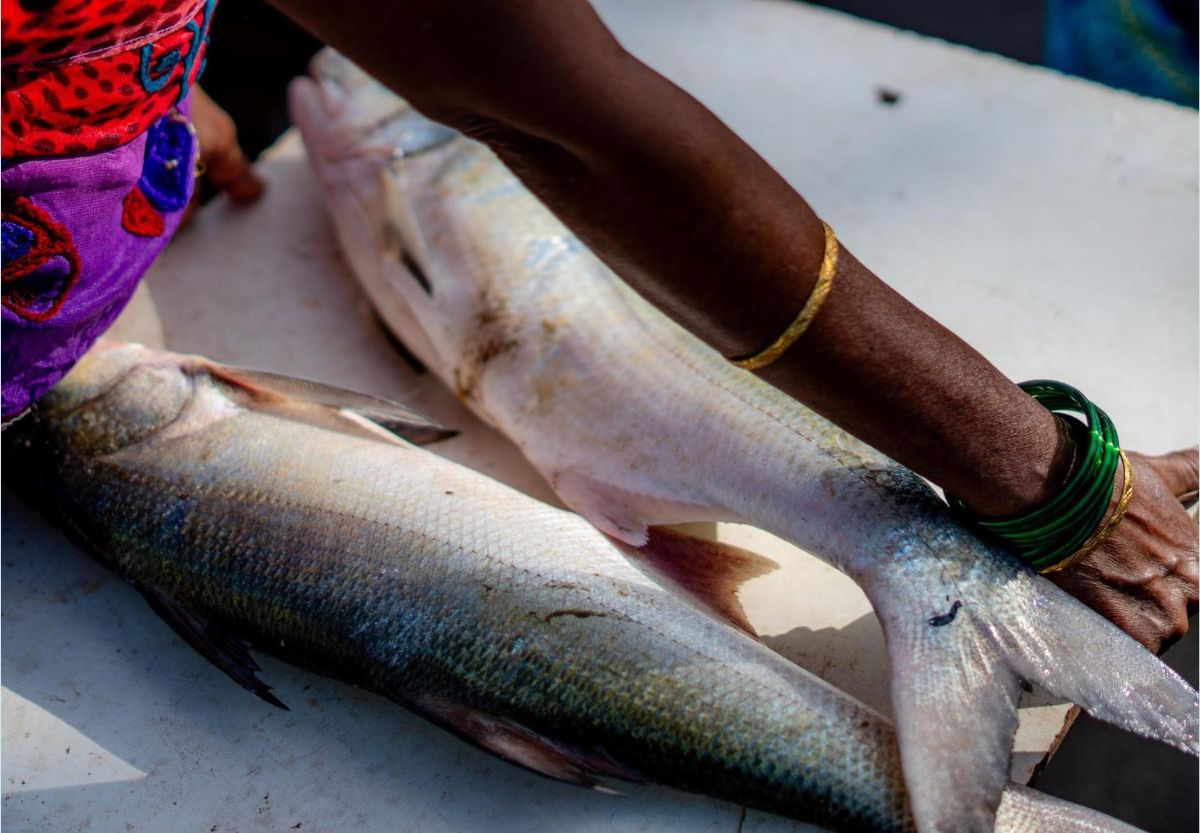
Used together, these checks take less than a minute and will completely change how you buy seafood. Over time, they become second nature, and your cooking will improve dramatically, simply because you started using better fish. Photo by Sarthak Chand.
Fillets and Steaks
Look for a moist but not watery surface, translucent flesh, and clean, sharp edges.
Avoid fillets sitting in liquid or those that appear ragged, dull, or mushy.
Prawns and Other Crustaceans
Shells should be firm and intact, with a mild, clean smell. Avoid prawns with black spots, yellowing, or soft, falling-apart heads (these are signs of enzyme breakdown and poor handling).
Always buy crabs and lobsters live; they deteriorate very quickly once dead. Live crabs or lobsters should show some movement (if refrigerated, they won’t be very active, but they should respond).
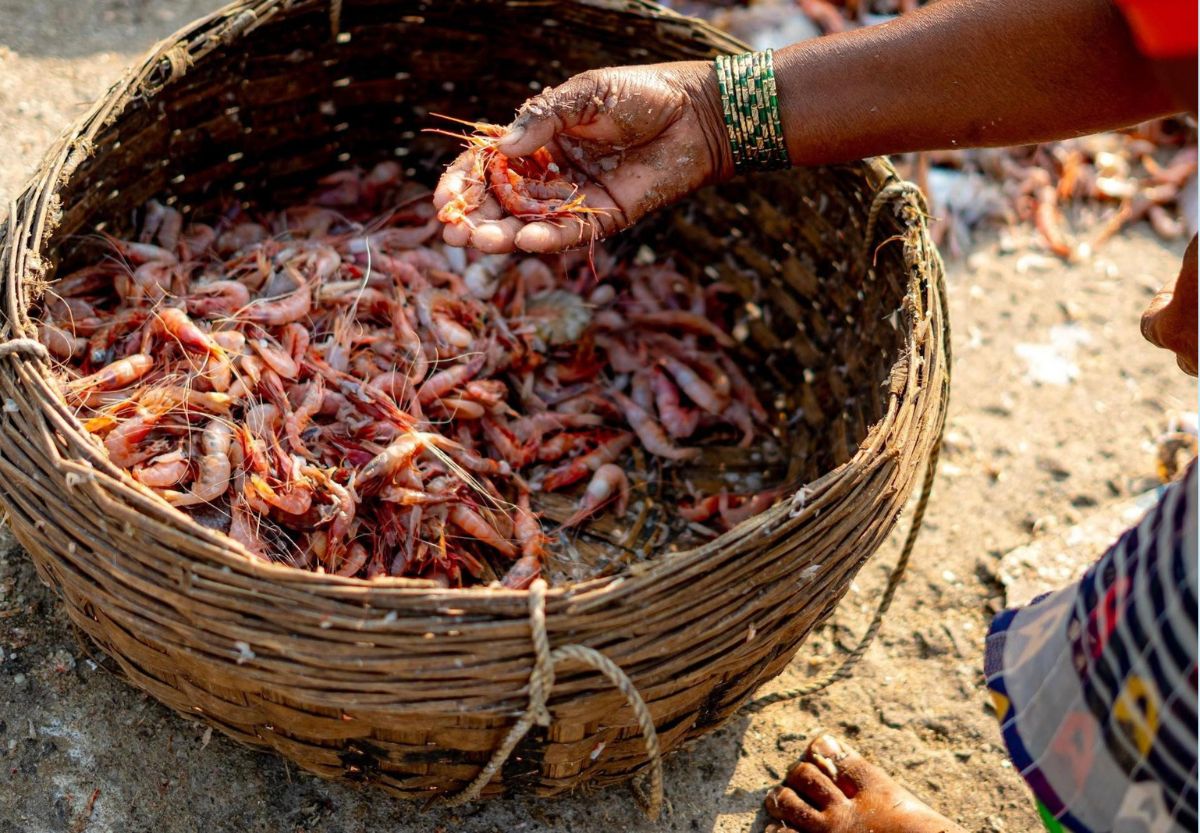
Freshly caught prawns at Madh Island, Mumbai. Photo by Sarthak Chand.
Clams, Mussels and Other Bivalves
Always buy bivalves alive: shells must be tightly closed, or should snap shut when tapped. Discard any that remain open, cracked, or chipped—these are dead and unsafe to eat. Shucked meat should be plump, moist, and glossy, sitting in its own natural juices (called liquor), which should be clear or slightly opalescent. If you’re buying oysters to eat raw, always source them from a trusted, reputable supplier. Raw oysters can carry serious pathogens, so absolute freshness and traceability are essential.
Squid and Octopus
Flesh should be firm and slightly springy. Skin should be cream-coloured with natural brown or purple speckling—not yellowing or blotchy. Eyes should be clear and bright, never cloudy.
Dried or Salted Seafood
Look for pieces that are evenly dried, not overly brittle or damp. Avoid anything with a strong ammonia smell, uneven whitening, or visible mould.

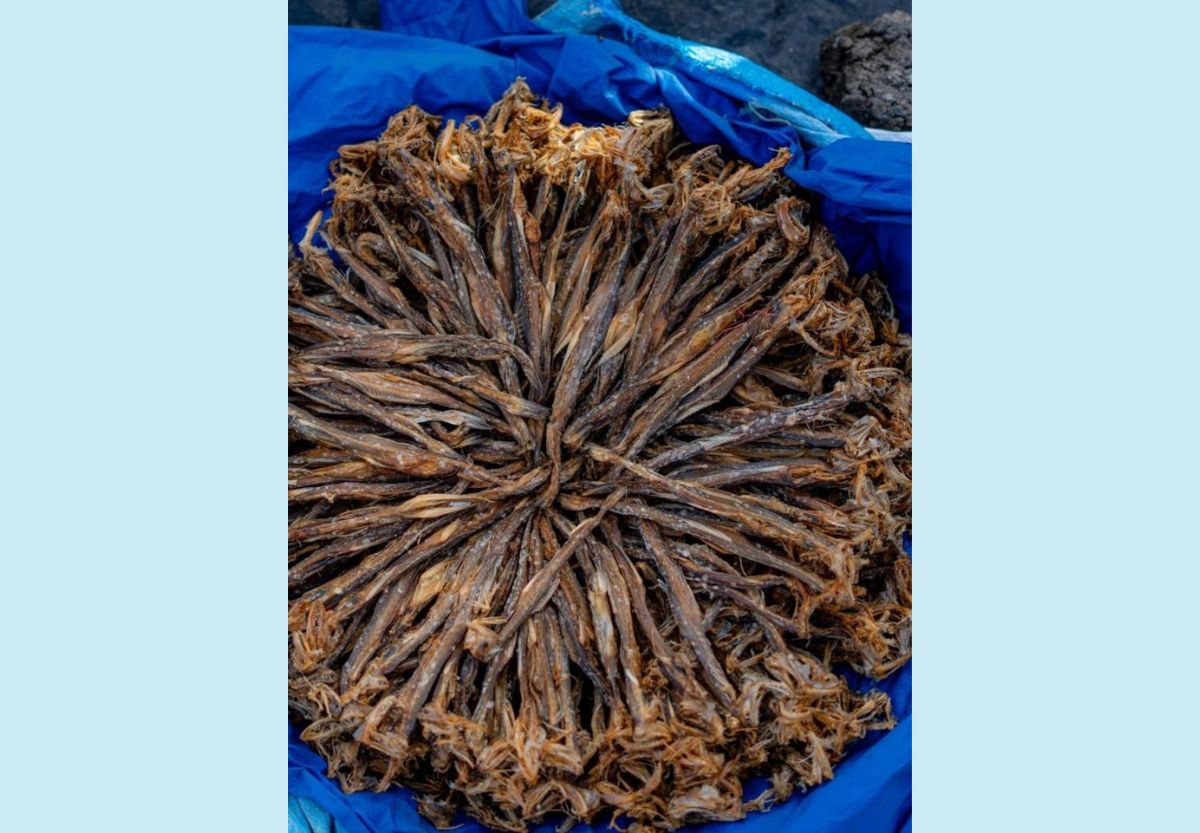
Dried seafood at Versova. Photos by Sarthak Chand.
Beyond Freshness: Choosing Seafood with Awareness
Buying seafood isn’t just about considering freshness. It’s also about understanding when a fish is caught, how it is harvested, and who you’re buying it from. Seasonality, sustainability, and your relationship with your fish seller all shape the quality of what ends up on your plate.
1. Consider Seasons
The sea has its own rhythm, and the coastline offers different fish at different times of the year depending on tides, climate, spawning patterns, and monsoon bans. Eating seasonally means cooking with fish that are abundant, at their peak quality, and responsibly harvested. It also dramatically improves the flavour of what you cook—seasonal fish are fresher, firmer, and naturally suited to the weather and dishes of that time of year.
2. Purchase Responsibly, Through Simple Choices
You don’t need to be an expert in fisheries science to eat seafood responsibly. A few everyday decisions can make a meaningful difference: choose seasonal species, avoid juveniles like very small pomfret and tiny prawns, and diversify what you eat instead of relying only on surmai or pomfret. Supporting smaller boats and local sellers strengthens coastal livelihoods, and choosing lesser-known but abundant species reduces pressure on overfished ones. Sustainability isn’t abstract—it’s about making choices that respect the ocean’s capacity to regenerate.
3. Build a Relationship with Your Fish Seller
Where you buy your fish matters almost as much as what you buy. Fish markets can feel overwhelming, but honest conversations go a long way. Ask basic questions: When was this caught? Is this today’s landing? Has it been previously frozen? Can you clean and cut it the way I need? Over time, this curiosity builds trust. A good fish seller will eventually guide you toward the freshest catch, warn you away from fish that aren’t great that day, and even save you pieces they know you would prefer.
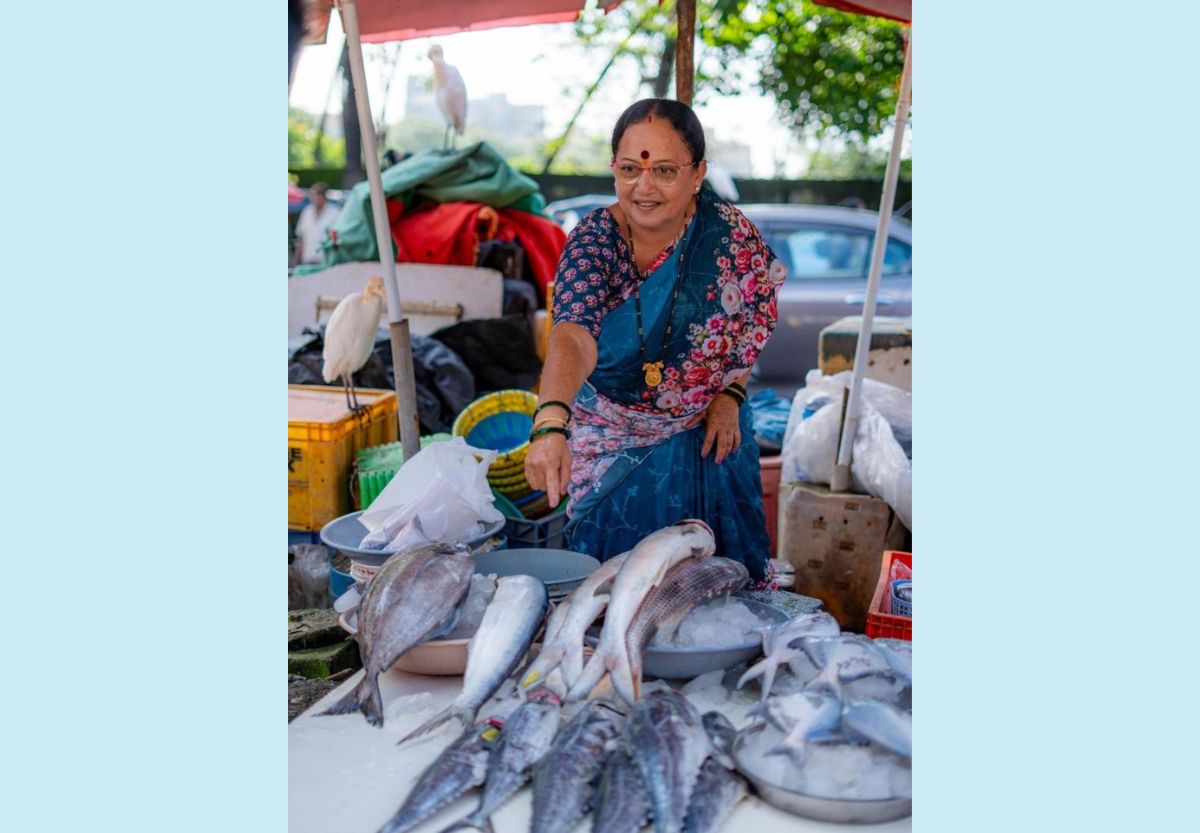

A trusted vendor is a cook’s greatest ally—someone who helps safeguard quality long before the fish reaches your kitchen. Photos by Sarthak Chand.
Storing Seafood at Home
The quality of even the freshest, best-handled fish will decline quickly if stored poorly. Once it reaches your kitchen, careful, cold storage matters.
For fish you plan to cook within 24–48 hours of buying, keep things simple: give it a brief rinse, then pat it completely dry. Wrap the fish in muslin, paper, or a clean kitchen towel (never in cling film) because it needs to breathe, not sweat. Place it in a shallow tray in the coldest part of the fridge; if possible, keep it over ice, draining away any meltwater. Shellfish such as clams or mussels should sit in a bowl covered with a damp cloth, never in an airtight container, as they must stay alive and able to breathe.
If you need to freeze seafood, focus on eliminating air and moisture. Dry the fish thoroughly, wrap it first in paper and then in an airtight bag, or use a vacuum sealer if you have one. This prevents freezer burn and preserves texture. Label it clearly with the date. Most seafood keeps at its best quality for one to three months in the freezer.
Thawing is just as important as freezing. Allow frozen seafood to thaw slowly in the fridge—usually overnight for fillets, small fish, and shellfish, and up to 24 hours for larger whole fish. This minimises moisture loss and keeps the flesh firm. If you’re short on time, place the sealed bag under cold running water. What you should never do is thaw seafood on the kitchen counter. Room temperature encourages bacterial growth and compromises both flavour and safety.
*****
This excerpt has been taken from ‘Eating Against the Tide’ published by The Locavore. ‘Eating Against the Tide’ is a culmination of a six-month-long storytelling and public engagement project that spotlights Mumbai’s Kolis–and their evolving relationship with the sea. Available for purchase here for Rs. 950.
Lead photo by Gautam Doshi.
 souk picks